
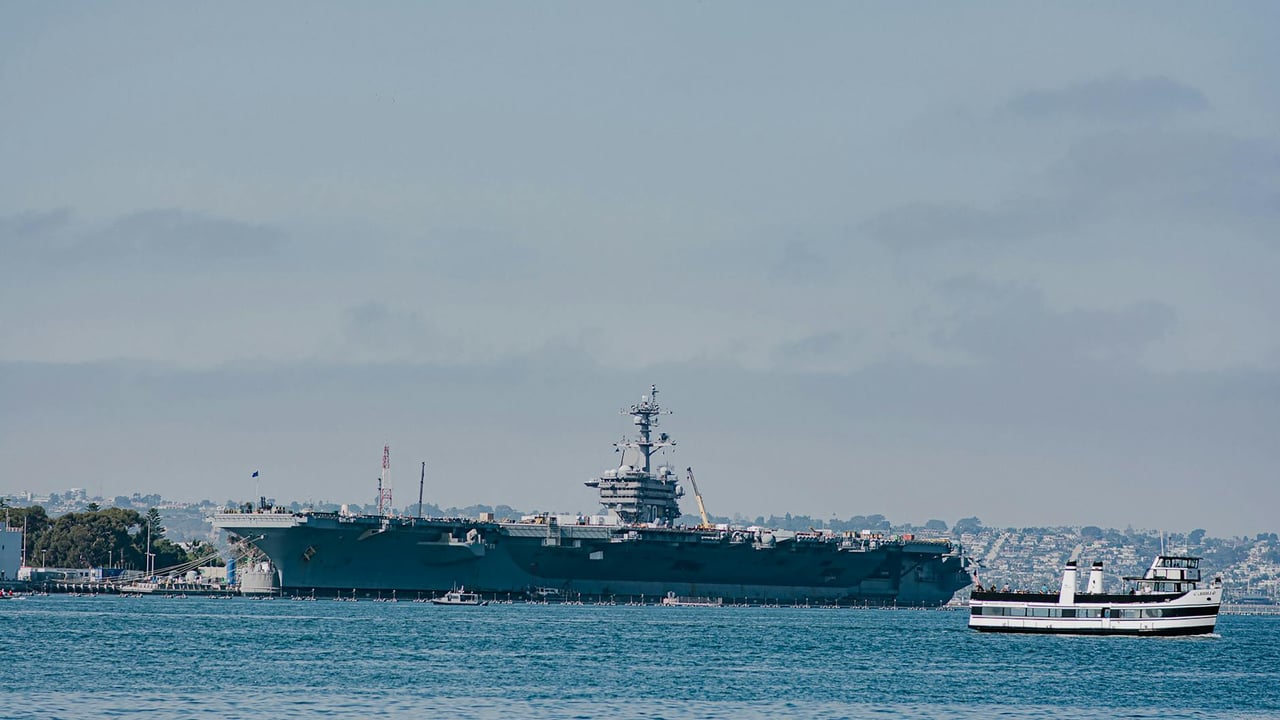

In a characteristic display of high-stakes brinkmanship, President Donald Trump has reaffirmed that the United States will not lift its burgeoning naval blockade of Iran until a comprehensive "deal" is secured. This declaration, made via social media on April 20, 2026, solidifies a policy of maximum physical pressure that has rapidly escalated over the past week. The U.S. Central Command recently reported that maritime trade routes to and from Iranian ports have been effectively severed, marking a transition from economic sanctions to active military interdiction.
The geopolitical ripples of this blockade are being felt most acutely at the Strait of Hormuz, the world's most sensitive energy chokepoint. While Tehran briefly signaled an intent to keep the waterway open for commercial traffic, the Iranian leadership has since reverted to a posture of control. Citing the persistence of the American siege, Iranian officials have reasserted their authority over the passage, raising the specter of a total shutdown that could send global energy markets into a tailspin.
Amidst this hardening of positions, a diplomatic lifeline appears to be emerging from Islamabad. Senior officials in Tehran suggest that Pakistan has stepped into the role of a primary mediator, working feverishly to broker a de-escalation. The Pakistani initiative aims to convince Washington to ease its naval restrictions as a prerequisite for Iran's participation in new negotiations—a concession that the Trump administration has, thus far, publicly rejected.
This maritime standoff represents a significant departure from previous cycles of tension, moving beyond the realm of financial blacklisting into the physical containment of a sovereign state. As the U.S. Navy maintains its perimeter around Iranian ports, the international community is watching closely to see if Pakistan’s mediation can bridge the gap between Trump’s demand for a "deal" and Iran’s demand for economic sovereignty.