
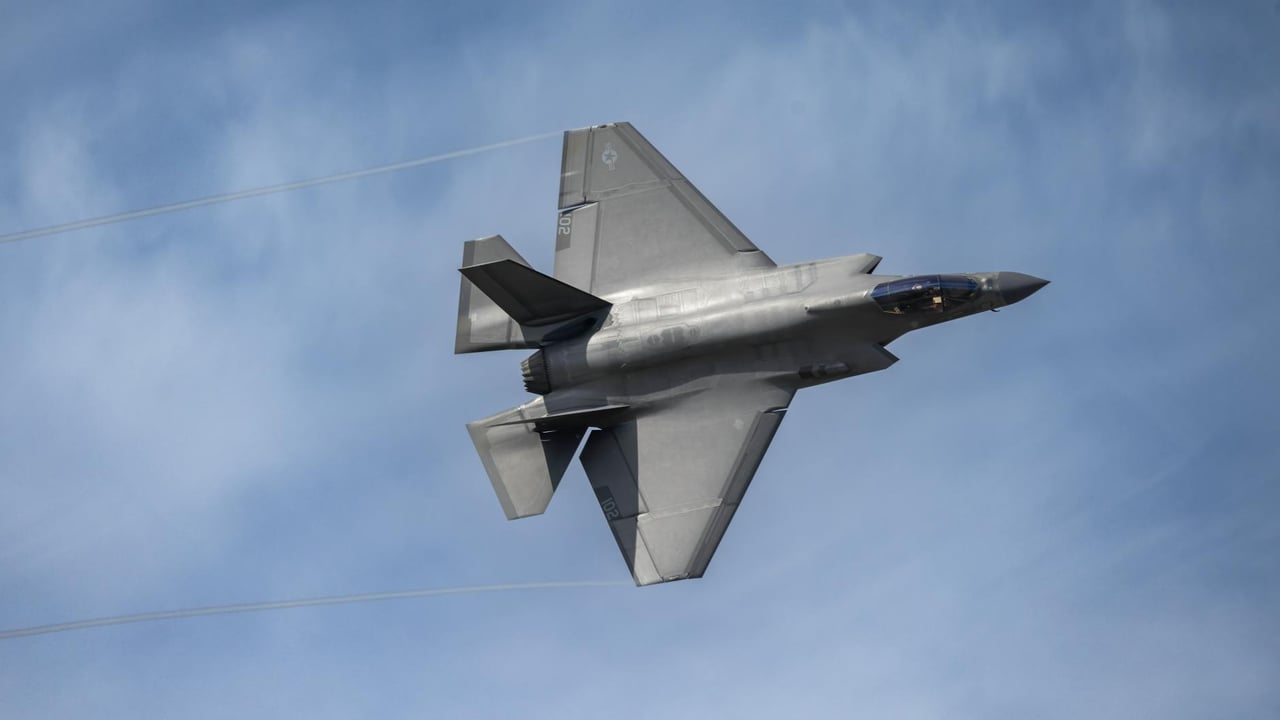

From March 20 to April 3, 2026, the air forces of the United States, Japan, and the Netherlands converged at Misawa Air Base in Aomori Prefecture for a landmark exercise dubbed 'Windmill Guardian.' This event marked the first-ever trilateral aerial drill between these nations and, more significantly, the first time the Royal Netherlands Air Force has deployed combat aircraft across continents to participate in maneuvers on Japanese soil. The deployment signaled a high level of operational readiness, with the Dutch contingent utilizing A330 MRTT tankers to facilitate the long-range transit of their F-35A Lightning II fighters.
The exercise featured a sophisticated mix of fourth- and fifth-generation assets designed to test high-end combat integration. The U.S. Air Force deployed a 'high-low' pairing of F-35As and F-16s, while the Japan Air Self-Defense Force contributed eight F-35As supported by E-2D Hawkeye early warning aircraft. To adapt to Japan's specific operational environment, the Dutch F-35As were notably equipped with drag-chute pods, a modification necessary for landing on shorter or weather-slicked runways typical of the region. This technical attention to detail underscores the practical, rather than purely symbolic, nature of the mission.
At its core, 'Windmill Guardian' focused on breaking down the information barriers that traditionally separate disparate national command structures. By leveraging the F-35’s advanced data-link capabilities and multi-source intelligence systems, the three nations aimed to create a seamless, real-time 'air-to-ground' combat network. The training modules covered everything from stealth penetration and formation tactics to real-time intelligence sharing, reflecting a concerted effort to standardize procedures across the Atlantic and Pacific theaters.
Observers note that this trilateral coordination is a physical manifestation of the 'Indo-Pacific NATO-ization' trend. While framed as a defensive necessity for Japan to strengthen its deterrence, the integration of European powers into Asian security architectures represents a significant shift in the regional status quo. This evolution is further evidenced by a recent visit to Japan by nearly 30 NATO ambassadors, suggesting that the alliance is increasingly viewing European and Indo-Pacific security as an indivisible whole. As these cross-regional military ties deepen, the potential for block-based confrontation in East Asia appears to be reaching a critical inflection point.