Trident of the Seas: Massive US Naval Surge Signals High-Stakes Deterrence in the Middle East

The United States is set to deploy three aircraft carrier strike groups simultaneously in the Middle East, covering the Red Sea, Gulf of Oman, and Arabian Sea. This massive naval surge, involving the Lincoln, Ford, and Bush strike groups, represents a significant peak in American military presence in the region.

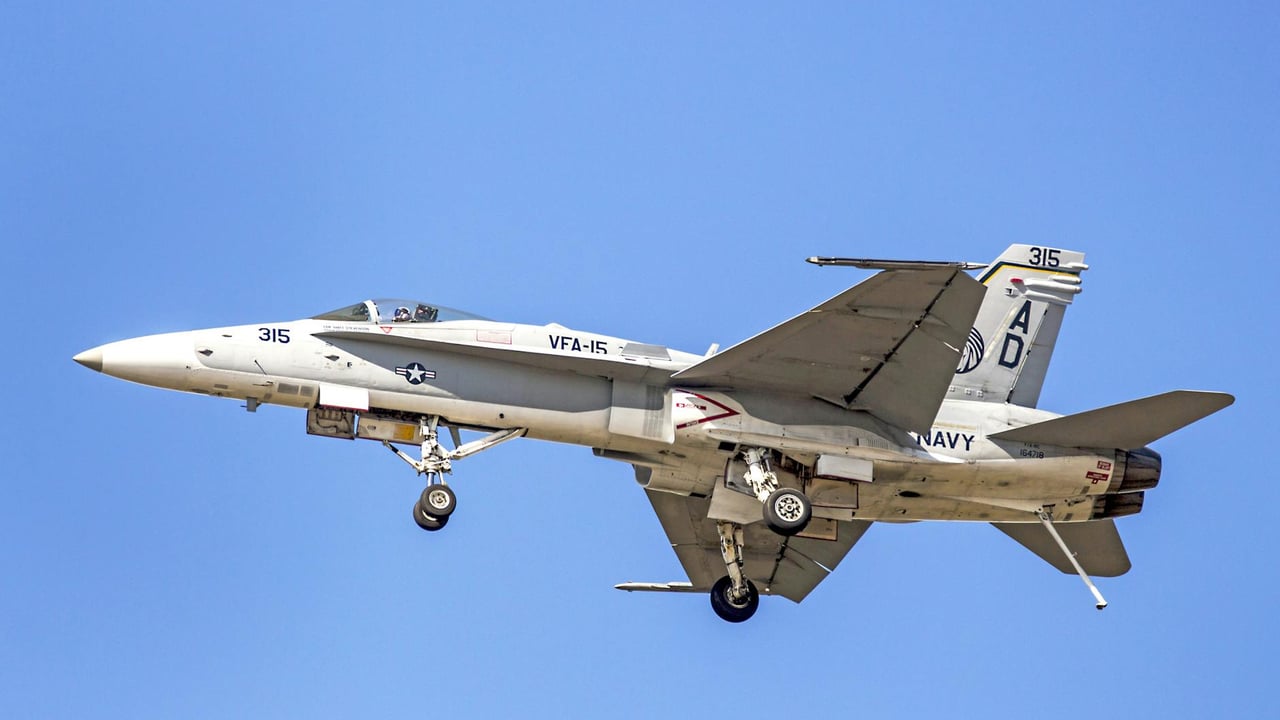
F/A-18C Hornet jet of the US Navy with landing gear deployed, flying over Florida.

Key Takeaways

  • 1Three US aircraft carrier strike groups—Lincoln, Ford, and Bush—will overlap in the Middle East within days.
  • 2The USS Abraham Lincoln is currently positioned near the Strait of Hormuz for maritime blockade or enforcement actions.
  • 3The USS Gerald R. Ford is monitoring the Northern Red Sea, a flashpoint for international shipping security.
  • 4The USS George H.W. Bush is moving north from the African coast to join the deployment and eventually relieve the Ford.
  • 5The deployment provides a massive, temporary boost in American air power and surveillance capabilities across regional chokepoints.

Editor's
Desk

Strategic Analysis

The deployment of three carrier strike groups (CSGs) is a rare and resource-intensive event that usually occurs only during periods of extreme geopolitical crisis or major operational handovers. By maintaining a presence in both the Red Sea and the Gulf of Oman, the U.S. is essentially 'capping' the ends of the Arabian Peninsula to deter Iranian maritime provocations and protect the Bab el-Mandeb and Hormuz straits. While the official narrative often focuses on the 'relief' of one carrier by another, the deliberate timing of the overlap serves as a potent deterrent. For China and other global powers, this serves as a reminder that despite the U.S. 'Pivot to Asia,' Washington still views the Middle East as a primary theater of military engagement where it can concentrate overwhelming conventional force at will.

China Daily Brief Editorial
Strategic Insight
China Daily Brief

The convergence of three United States aircraft carrier strike groups in the Middle East signals an extraordinary escalation in American maritime power projection. Within days, the USS Abraham Lincoln, USS Gerald R. Ford, and USS George H.W. Bush will operate simultaneously across the region’s most volatile chokepoints. This rare concentration of force underscores a period of acute strategic tension, focusing on the vital waterways stretching from the Red Sea to the Gulf of Oman.

Currently, the USS Abraham Lincoln is stationed near the Strait of Hormuz, actively participating in maritime enforcement operations aimed at securing one of the world's most critical energy transit routes. Meanwhile, the USS Gerald R. Ford maintains a vigil in the northern Red Sea, providing a buffer against regional instability and potential threats to international shipping. The USS George H.W. Bush is currently rounding the African continent, moving north toward the Arabian Sea to eventually relieve the Ford.

While the Pentagon often frames these overlaps as routine transitions, the simultaneous presence of three strike groups provides the U.S. Central Command with an extraordinary level of fire-power and surveillance. This 'triple-carrier' window allows for a high-intensity operational tempo that few adversaries can match. It serves as both a logistical necessity for crew rotations and a pointed diplomatic message to regional actors regarding Washington’s enduring commitment to the maritime status quo.

The broader geopolitical context involves ongoing friction with regional adversaries and the necessity of safeguarding global trade lanes against both non-state actors and state-sponsored disruption. By positioning these assets across the Red Sea and the Gulf of Oman, the U.S. is effectively creating a naval arch of security around the Arabian Peninsula. This surge occurs at a time when global attention is stretched, reminding rivals that American naval reach remains unmatched in its ability to surge resources to the world's most sensitive zones.

Share Article

Related Articles

📰
No related articles found