Sieve in the Sand: U.S. Naval Blockade of Iran Fails to Stem Maritime Traffic

A U.S. naval blockade of Iran is facing significant integrity issues, with 26 vessels successfully bypassing military cordons in a single week. The situation underscores the tactical difficulties of maritime enforcement as Tehran continues to use the Strait of Hormuz as a strategic lever.

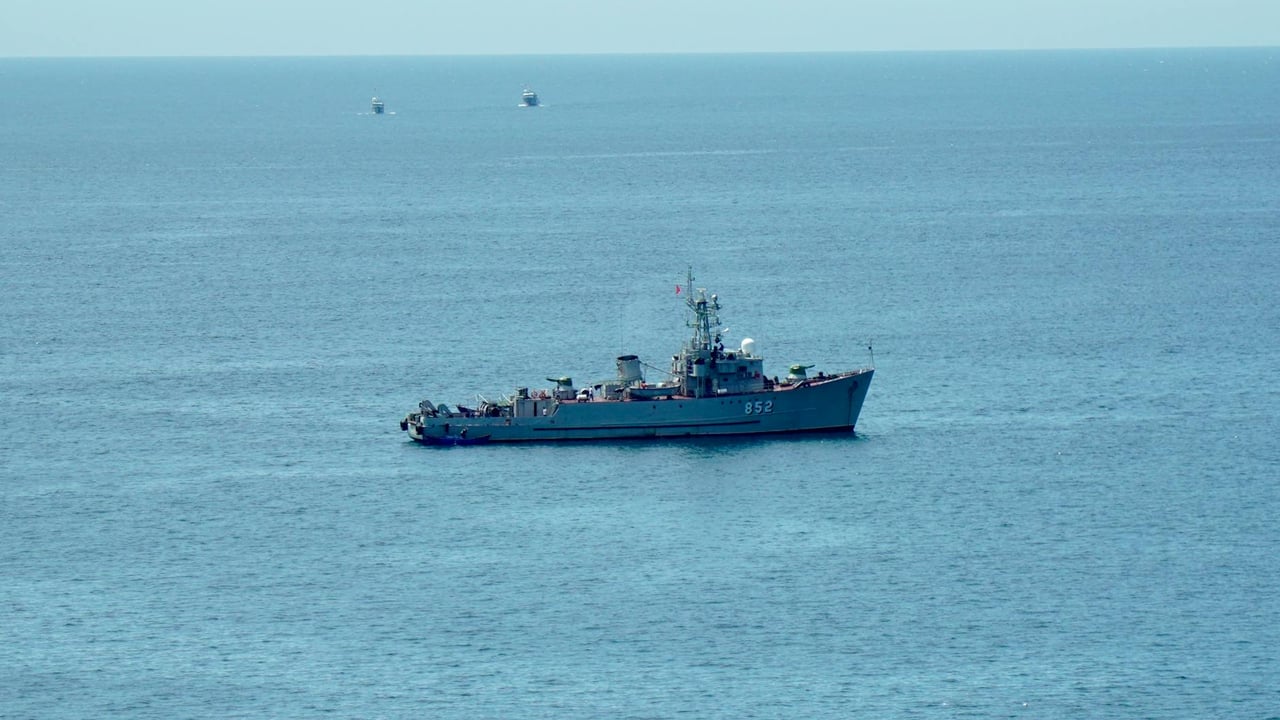
A military ship navigating the calm blue ocean under a clear sky, showcasing nautical power.

Key Takeaways

  • 1At least 26 Iran-related vessels, including 11 oil tankers, breached the U.S. blockade between April 13 and April 20, 2026.
  • 2A Greek-owned bulk carrier was among the ships that successfully navigated through the exclusion zone, indicating high risk-tolerance among some commercial shipowners.
  • 3Iran has utilized a 'stop-and-go' policy for the Strait of Hormuz to exert pressure on international maritime traffic.
  • 4Military analysts cited by Lloyd’s List describe the U.S. blockade strategy as 'improvised' and lacking a long-term strategic foundation.

Editor's
Desk

Strategic Analysis

The failure to maintain a tight seal around Iranian ports suggests a critical gap between Washington’s policy objectives and its operational capabilities in the Middle East. For a blockade to be an effective tool of statecraft, it requires near-total compliance or the credible threat of universal interception; the current 'leaky' nature of the operation risks emboldening the 'dark fleet' of tankers that sustain Iran's economy. Moreover, the reliance on ad-hoc seizures rather than a systematic blockade strategy points to a lack of international consensus, making it difficult for the U.S. to sustain this level of naval commitment without risking a broader maritime conflagration. As shipping costs rise and security premiums spike, the economic fallout may eventually outweigh the intended political pressure on Tehran.

China Daily Brief Editorial
Strategic Insight
China Daily Brief

The ambitious U.S. attempt to impose a maritime stranglehold on Iran is proving increasingly porous. According to data from Lloyd’s List Intelligence, at least 26 vessels linked to Iranian trade have successfully breached the American naval blockade since it was initiated on April 13, 2026. Among the vessels that slipped through the cordon were 11 tankers fully laden with Iranian crude oil, highlighting the significant challenges of policing these volatile waters.

Washington’s recent decision to expand the scope of intercepted materials has done little to deter determined shipping operators. In the last week alone, more than ten vessels managed to navigate through the restricted zones despite an increased U.S. naval presence. This includes a Greek-owned bulk carrier that departed an Iranian port on April 15 and successfully transited the blockade line four days later, signaling that even third-party commercial interests are willing to test American resolve.

Tehran has responded to the pressure with its own brand of tactical theater in the Strait of Hormuz. After briefly announcing the opening of the strategic waterway to commercial shipping on April 17, Iranian authorities reversed course 24 hours later. Citing the U.S. military’s refusal to lift its maritime siege, Iran reasserted its control over the passage, further complicating the logistical calculus for global shipping firms.

The situation remains highly kinetic, as evidenced by the U.S. military’s forceful seizure of an Iranian cargo ship in the Gulf of Oman on April 19. While the Pentagon views such actions as necessary enforcement of international sanctions, Tehran has characterized the move as a blatant violation of existing ceasefire agreements. This tit-for-tat escalation has drawn criticism from maritime analysts who describe the current U.S. strategy as a reactive, improvised response rather than a cohesive geopolitical maneuver.

Share Article

Related Articles

📰
No related articles found