
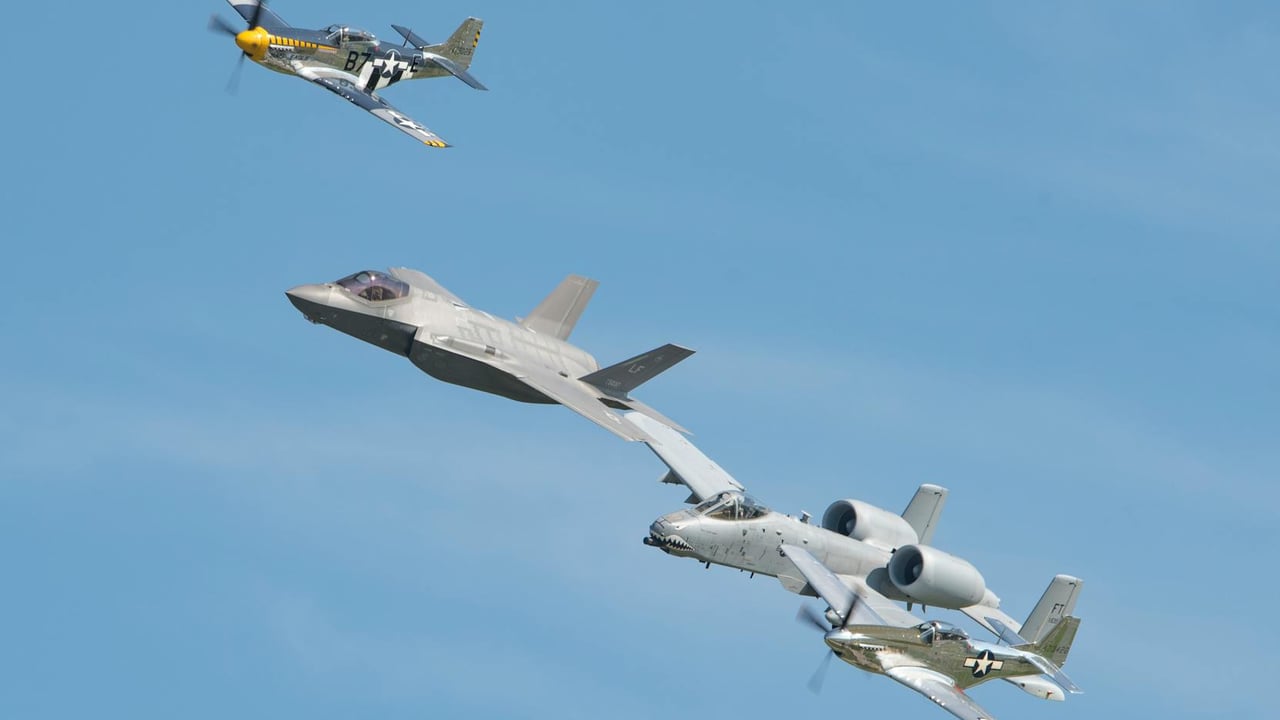

The A-10 Thunderbolt II, affectionately known as the 'Warthog,' has once again proven as difficult to retire as it is to shoot down. In a significant shift in modernization timelines, the U.S. Air Force has officially extended the service life of this Cold War-era icon to 2030. This decision marks a four-year reprieve for a platform that was previously slated for a definitive exit by 2026.
Originally designed to shred Soviet tank columns with its signature 30mm GAU-8 Avenger rotary cannon, the A-10 has spent decades at the center of a budget war in Washington. While Air Force leadership has long argued that the aircraft is too vulnerable to modern integrated air defense systems, the platform remains a favorite of ground troops and their representatives in Congress. The extension suggests that the transition to fifth-generation multi-role fighters like the F-35 has not yet fully satisfied the specific requirements of close air support.
This delay reflects a broader strategic recalibration. As global conflicts evolve, the Pentagon appears to be hedging its bets, maintaining a rugged, cost-effective ground-attack capability while high-end stealth platforms focus on air superiority and contested environments. The 2030 extension provides a buffer, allowing the military to further integrate unmanned systems and precision-guided munitions that are intended to eventually fill the Warthog's unique niche.
Ultimately, the move underscores the persistent challenge of balancing legacy hardware with future-force requirements. For now, the low-and-slow specialist will continue its watch, proving that even in an era of hypersonic missiles and stealth drones, there is still a perceived need for a titanium-armored 'flying gun' on the modern battlefield.