
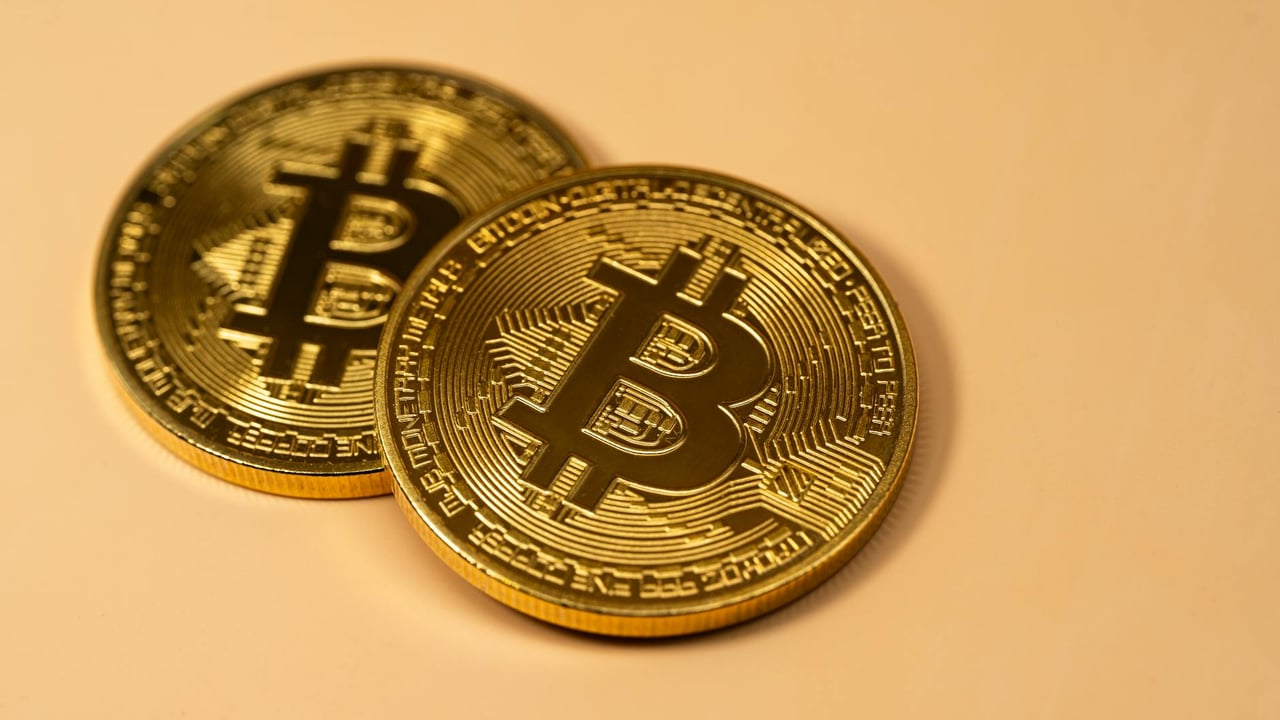

Bitcoin has surged past the $77,000 mark, marking a significant 1.6% intraday gain and continuing its trajectory as a dominant force in the global financial landscape. This milestone reflects a sustained appetite for digital assets, even as traditional markets grapple with fluctuating energy prices and currency volatility. The breach of this psychological barrier suggests that the current rally is underpinned by more than just retail speculation.
The climb comes at a time of significant transition in the broader fintech sector, notably with major Chinese platforms like WeChat Pay expanding their international footprint into five new territories. As digital payment ecosystems become more globalized, the friction between decentralized assets like Bitcoin and centralized payment rails continues to define the next era of finance. The simultaneous rise in Bitcoin's value alongside the expansion of state-monitored digital payments highlights a bifurcated market seeking both efficiency and autonomy.
Global macroeconomic factors are also providing a tailwind for the cryptocurrency. With Brent crude oil once again testing the $90 per barrel ceiling and the onshore Yuan facing downward pressure against the dollar, investors are increasingly viewing Bitcoin as a necessary hedge. This 'digital gold' narrative appears to be gaining traction among institutional players who are looking for assets decoupled from the immediate inflationary pressures of the traditional energy sector.
While the 1.6% rise may seem modest in the context of crypto’s historical volatility, the stability of Bitcoin at these elevated levels indicates a maturing market. The concentration of capital into high-cap digital assets suggests a flight to quality within the crypto ecosystem. As regulatory frameworks in major economies begin to solidify, the focus is shifting from whether these assets have value to how they will be integrated into the global monetary order.