Brinkmanship 2.0: Trump Extends Ceasefire While Tightening Naval Noose on Iran

The Trump administration has extended a ceasefire with Iran while maintaining a crippling naval blockade, leading to a diplomatic stalemate and threats of regional conflict. Iran has refused to attend mediation talks in Pakistan, citing U.S. bad faith and vowing to target regional oil production if attacked.

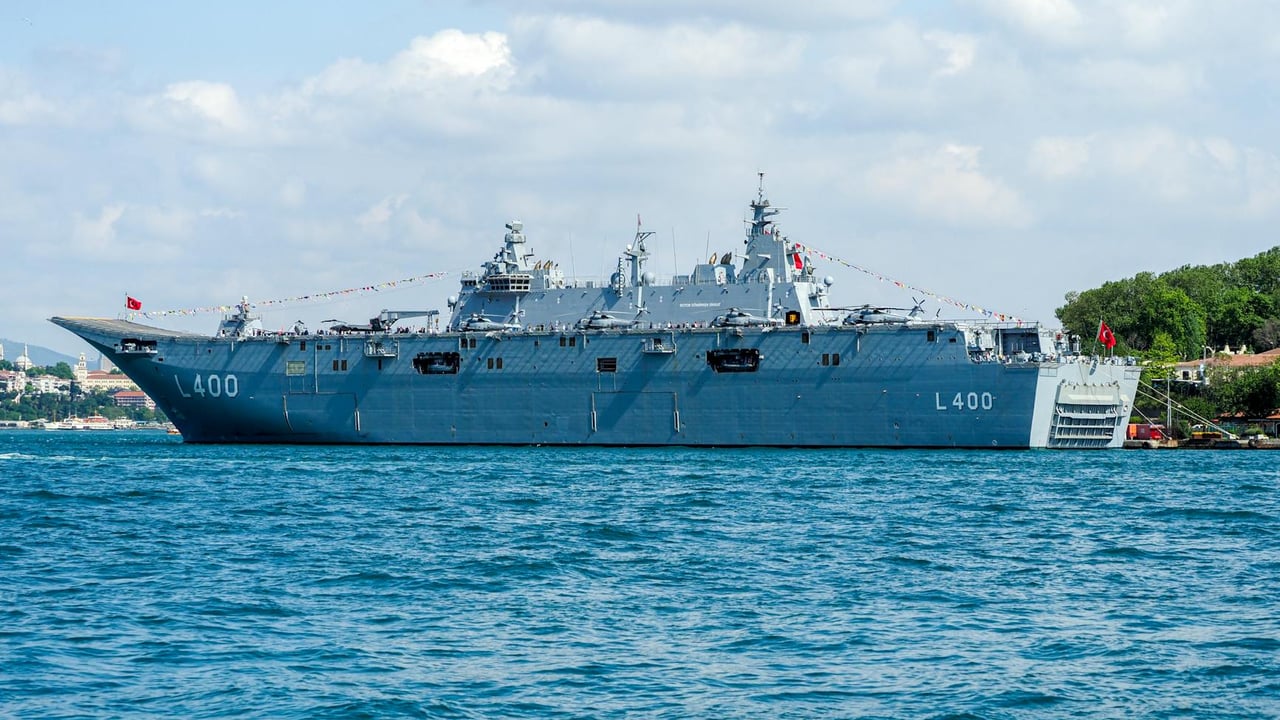
The TCG Anadolu L400 military ship navigating the waters of Istanbul, Turkey.

Key Takeaways

  • 1President Trump extended the ceasefire expiration at Pakistan's request but ordered the U.S. Navy to maintain its maritime blockade.
  • 2Iran has officially declined to attend the second round of negotiations in Islamabad, labeling the U.S. position as 'extortion'.
  • 3The U.S. Treasury Department expanded its sanctions list to include more Iranian individuals and aviation assets involved in proliferation.
  • 4Iranian military commanders have threatened to target the oil infrastructure of neighboring Gulf states if they assist American military operations.
  • 5Tensions remain high as both sides engage in significant military posturing, including the deployment of advanced ballistic missiles in Tehran.

Editor's
Desk

Strategic Analysis

The current standoff represents a dangerous evolution of the 'Maximum Pressure' campaign. By maintaining a blockade while calling for talks, the Trump administration is attempting to redefine the status quo where 'not shooting' is the only concession, while economic and maritime strangulation continues. For Iran, the calculation has shifted from seeking a return to the nuclear deal to a struggle for sovereignty and regional deterrence. The threat to target Gulf oil production is a classic asymmetric strategy designed to leverage global energy markets against U.S. policy. If the blockade is not eased, the risk of a miscalculation in the Hormuz Strait remains at its highest level in years, as both sides appear to have exhausted their appetite for traditional diplomacy.

China Daily Brief Editorial
Strategic Insight
China Daily Brief

The Trump administration has once again deployed its signature strategy of 'maximum pressure,' creating a volatile paradox on the global stage. President Trump announced a temporary extension of the ceasefire with Tehran on April 21, citing a request from Pakistani leadership and alleged internal divisions within the Iranian government. However, this diplomatic gesture was immediately undercut by his directive for the U.S. Navy to maintain its maritime blockade and remain in a state of high combat readiness.

Tehran has responded with predictable vitriol, dismissing the ceasefire extension as a tactical ruse designed to buy time for a surprise American assault. Iranian officials argue that a blockade is functionally equivalent to an act of war, rendering any talk of 'peace' moot. The Islamic Republic has signaled its refusal to participate in scheduled high-level talks in Islamabad, claiming that Washington has repeatedly violated the foundational framework of the mediation efforts led by Pakistan.

On the ground, the rhetoric is being matched by military posturing. Iranian state media recently showcased the 'Qader' and 'Khorramshahr-4' ballistic missiles in public squares, a clear signal of Tehran's readiness to strike Israeli and American targets if hostilities resume. Beyond direct military confrontation, the Iranian Revolutionary Guard Corps (IRGC) has issued a chilling warning to its Gulf neighbors: any nation providing facilities for U.S. aggression will face the destruction of their oil production infrastructure.

While the White House remains coy about future diplomatic engagement, the U.S. Treasury continues to tighten the economic screws. New sanctions targeting Iranian individuals, aviation assets, and transnational business networks were unveiled concurrently with the ceasefire announcement. This dual-track approach—offering a seat at the table while actively suffocating the opponent’s economy—suggests that Washington is betting on an internal collapse or a desperate capitulation from the Iranian leadership.

Share Article

Related Articles

📰
No related articles found