
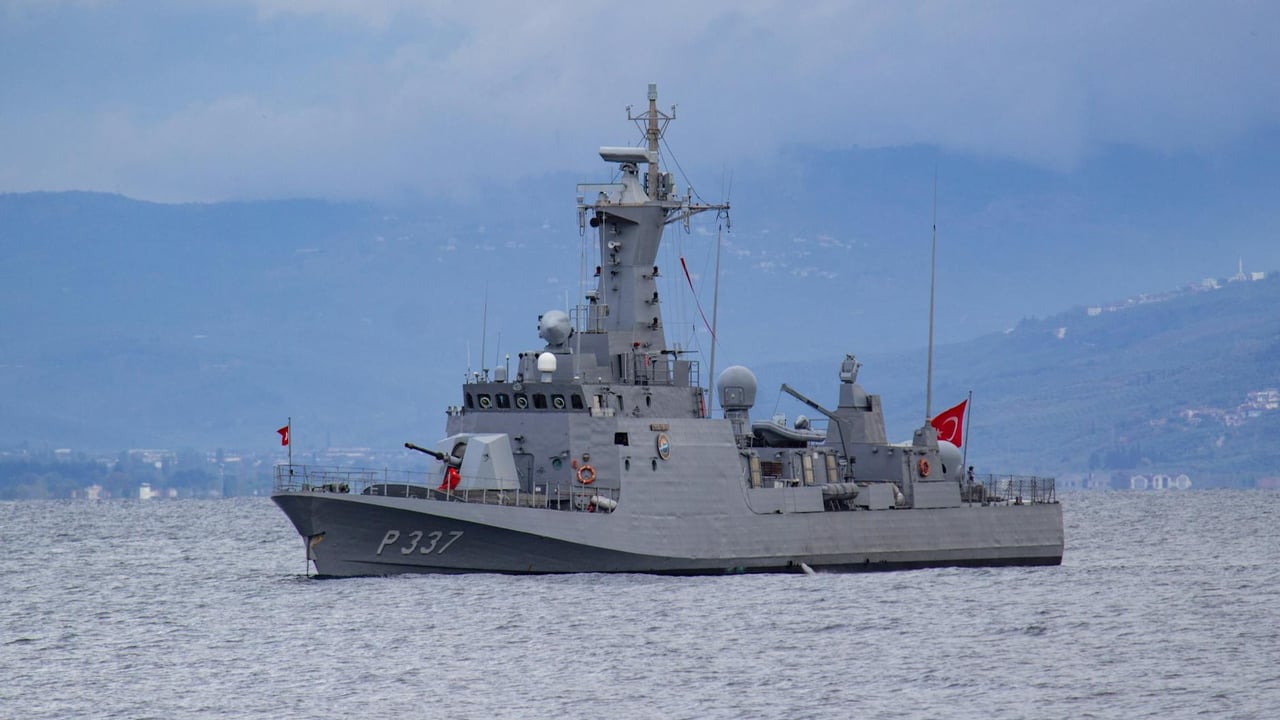

The arrival of the CNS Yancheng at its namesake port this week marks more than a routine port call for the People’s Liberation Army Navy (PLAN). The Type 054A guided-missile frigate, a workhorse of China’s modernizing fleet, returned to the waters of Yancheng for the first time since its commissioning in 2012. Guided by the maritime patrol vessel Haixun 0611, the warship’s entry into the Binhai Port District was treated as a major homecoming, blending military display with a high-stakes public relations campaign.
Since entering service over a decade ago, the Yancheng has become a prominent symbol of China’s maritime reach. Its service record includes high-profile international missions such as anti-piracy escorts in the Gulf of Aden, joint naval exercises with the Russian Navy, and participation in the PLAN’s 70th-anniversary multinational fleet review. For the central leadership, the ship represents the successful transition of the navy from a coastal defense force to a blue-water power capable of global operations.
The nomenclature of the PLAN, which names major surface combatants after domestic cities, serves a specific socio-political function known as "Double Support" (Shuangyong). This policy aims to foster deep structural links between military units and civilian administrative regions. By bringing the ship to the city of Yancheng, the PLA reinforces a sense of shared ownership and national pride, effectively turning a platform of war into a "maritime business card" for the local government and its citizens.
Beyond the ceremonial greetings exchanged over high-frequency radio, the visit features a series of "Military Open Days" and cultural exchanges. These events are designed to allow civilians to board the vessel and witness the results of China’s military-technological leap firsthand. This form of patriotic education is critical for the CCP’s broader strategy of social mobilization, ensuring that the civilian population remains supportive of the country’s significant investments in naval expansion and regional maritime claims.