
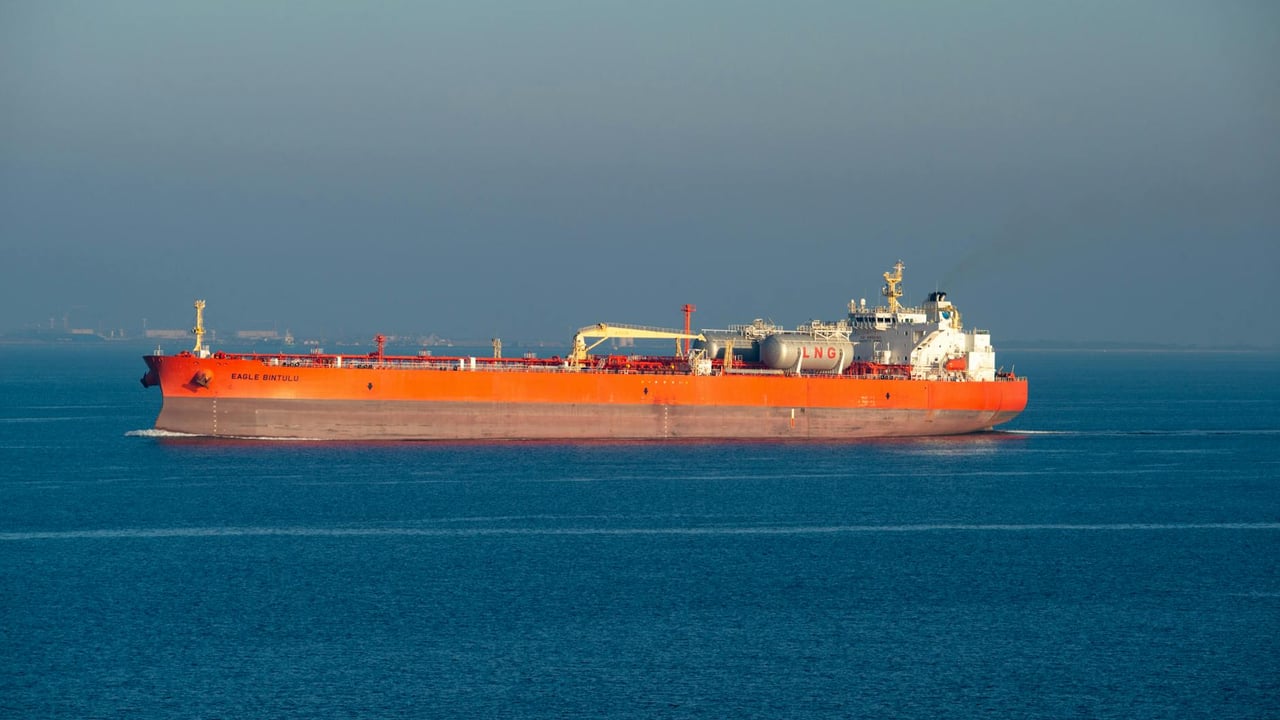

London is currently the stage for a high-stakes military summit as the United Kingdom and France convene over 30 nations to address the paralysis of the Strait of Hormuz. This two-day planning session, held north of the British capital, represents a critical attempt to reopen the world's most vital energy artery, which has been largely shuttered since conflict erupted on February 28, 2026.
British Prime Minister Keir Starmer and French President Emmanuel Macron are spearheading this multilateral effort, positioning themselves as advocates for a coordinated diplomatic and defensive framework. This initiative stands in stark contrast to the preferred strategy of the Trump administration, which has urged its allies to utilize overwhelming military force to break the blockade. By framing their plan as "strictly defensive," the European leaders are signaling a major divergence from Washington's more bellicose posture.
The stakes for the global economy could not be higher. Before its closure, the Strait of Hormuz accounted for approximately one-fifth of the world’s oil and liquefied natural gas exports. The current impasse has turned a regional military flashpoint into a global energy crisis, prompting London and Paris to argue that a sustainable ceasefire is a necessary prerequisite for any lasting resumption of commercial shipping.
UK Defense Secretary John Healey emphasized that the primary goal of the London summit is to translate diplomatic consensus into a concrete joint plan. The challenge remains daunting as regional tensions continue to escalate. While Tehran briefly signaled a willingness to reopen the waterway last week, those plans were abruptly retracted following the continued U.S. blockade of Iranian vessels and the subsequent seizure of an Iranian-flagged ship by American forces on Sunday.
As the summit progresses, the ability of Starmer and Macron to maintain a coalition of 30 nations will be a litmus test for European "strategic autonomy." By resisting the American push for a kinetic solution, the UK and France are betting that a defensive, multilateral approach can de-escalate the situation and restore the flow of global trade without sparking a wider regional conflagration.