China’s Automotive Heartland Doubles Down on AI: Guangdong’s Push for L3 Autonomous Driving

Guangdong province has launched a comprehensive AI action plan targeting the scaling of L3 autonomous driving and intelligent cockpits. The initiative focuses on leveraging Guangzhou and Shenzhen's industrial clusters to lead commercialization and regional testing standards within the Greater Bay Area.

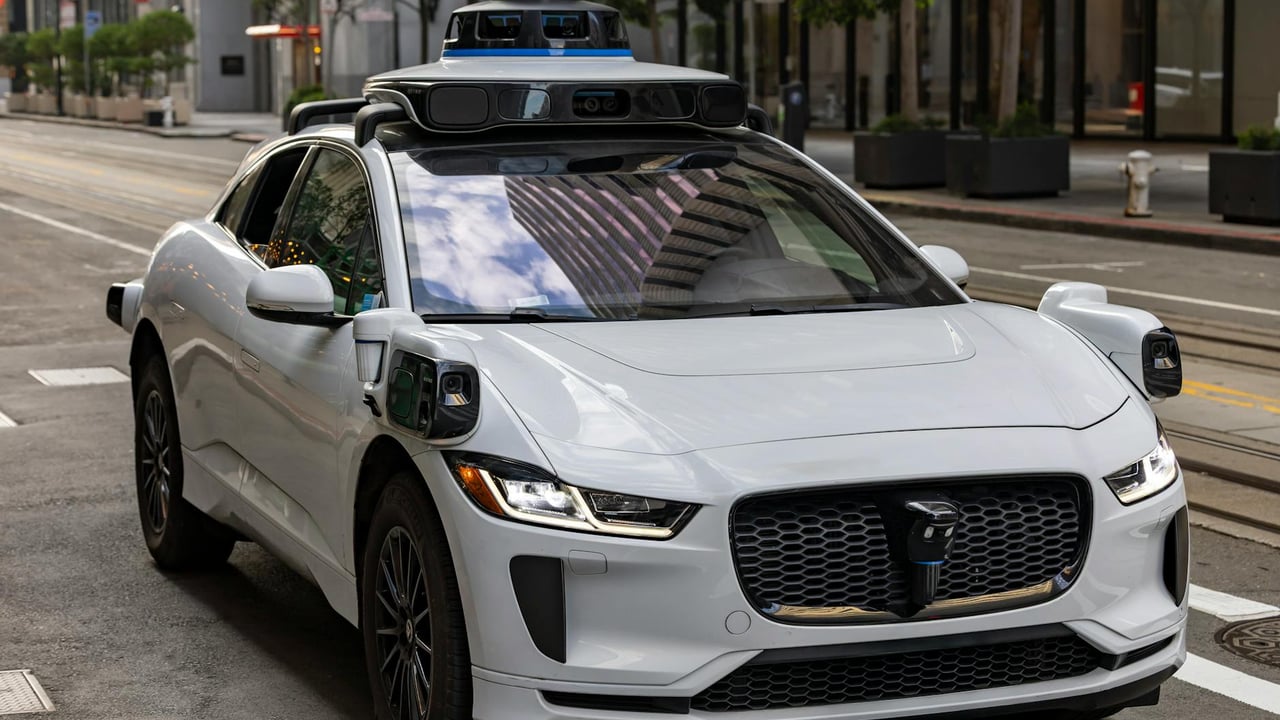
A white autonomous vehicle navigating a city street, reflecting urban architecture in daylight.

Key Takeaways

  • 1Guangdong is implementing a high-level AI integration plan across all industrial sectors, prioritizing 'AI+ Intelligent Connected Vehicles.'
  • 2The province is actively pushing automakers to secure L3 autonomous driving permits for pilot road access and commercial trials.
  • 3A new cross-regional recognition mechanism will be established to allow for seamless autonomous vehicle testing across the Greater Bay Area.
  • 4The policy aims to strengthen the local supply chain for intelligent components, reducing reliance on foreign tech in the smart car sector.

Editor's
Desk

Strategic Analysis

Guangdong’s aggressive stance on L3 autonomous driving marks a critical shift from experimental testing to commercial viability. While Level 2 systems are currently the industry standard, L3 represents a legal and technical threshold regarding liability and sensor reliability that many global players have been hesitant to cross. By fostering a regulatory environment that supports L3, Guangdong is not just supporting local champions like GAC and BYD, but also preparing the infrastructure for a highly competitive market where software becomes the primary differentiator. The emphasis on the Greater Bay Area (GBA) suggests that the ultimate goal is a cross-jurisdictional smart transport network, potentially serving as a global blueprint for urban AI integration. This move effectively positions South China as the primary challenger to Silicon Valley's autonomous driving dominance.

China Daily Brief Editorial
Strategic Insight
China Daily Brief

Guangdong Province, the powerhouse behind China’s explosive electric vehicle growth, is signaling a major pivot toward intelligent connectivity. The provincial government recently unveiled an ambitious action plan designed to embed artificial intelligence across every facet of its industrial landscape, with a specific focus on "AI+" applications in the automotive sector. This policy push aims to transform the region from a manufacturing giant into a global leader in software-defined mobility.

Central to the new directive is the acceleration of Level 3 (L3) autonomous driving, a critical technological milestone where the vehicle manages most driving tasks under specific conditions. By encouraging local automakers to apply for L3 pilot programs and road testing, Guangdong is clearing the regulatory hurdles that have long hampered the commercialization of self-driving technology. The initiative leverages the industrial clusters of Guangzhou and Shenzhen, cities that already host heavyweights like GAC Group, BYD, and numerous high-tech startups.

The plan also emphasizes the creation of a unified testing and recognition framework across the Greater Bay Area (GBA). By harmonizing standards between neighboring tech hubs, the government hopes to facilitate seamless cross-regional commercial operations. This interoperability is seen as a necessary precursor to large-scale robotaxi deployments and the widespread consumer adoption of intelligent cockpits and automated transit systems.

This strategic move comes as China intensifies its pursuit of "New Productive Forces," a national drive for high-tech, innovation-led economic growth. By prioritizing the localized supply chain of smart components and AI-driven vehicle architectures, Guangdong is attempting to insulate its auto sector from global supply chain volatility while setting a national benchmark for the future of transportation. The move suggests a transition from hardware-focused competition to a race for digital dominance in the global car market.

Share Article

Related Articles

📰
No related articles found