

In a sweeping effort to reverse a deepening demographic crisis, fifteen of China’s most powerful government departments—including the Communist Youth League and the National Development and Reform Commission—have jointly issued a comprehensive directive to transform urban centers into 'youth-development-oriented' hubs. The policy aims to integrate pro-natalist incentives directly into the fabric of city planning, moving beyond simple rhetoric to address the material barriers that have led a generation of young Chinese to delay marriage and childbirth. This massive bureaucratic mobilization signals that the central government now views the 'youth problem' as a systemic threat to its long-term modernization goals.
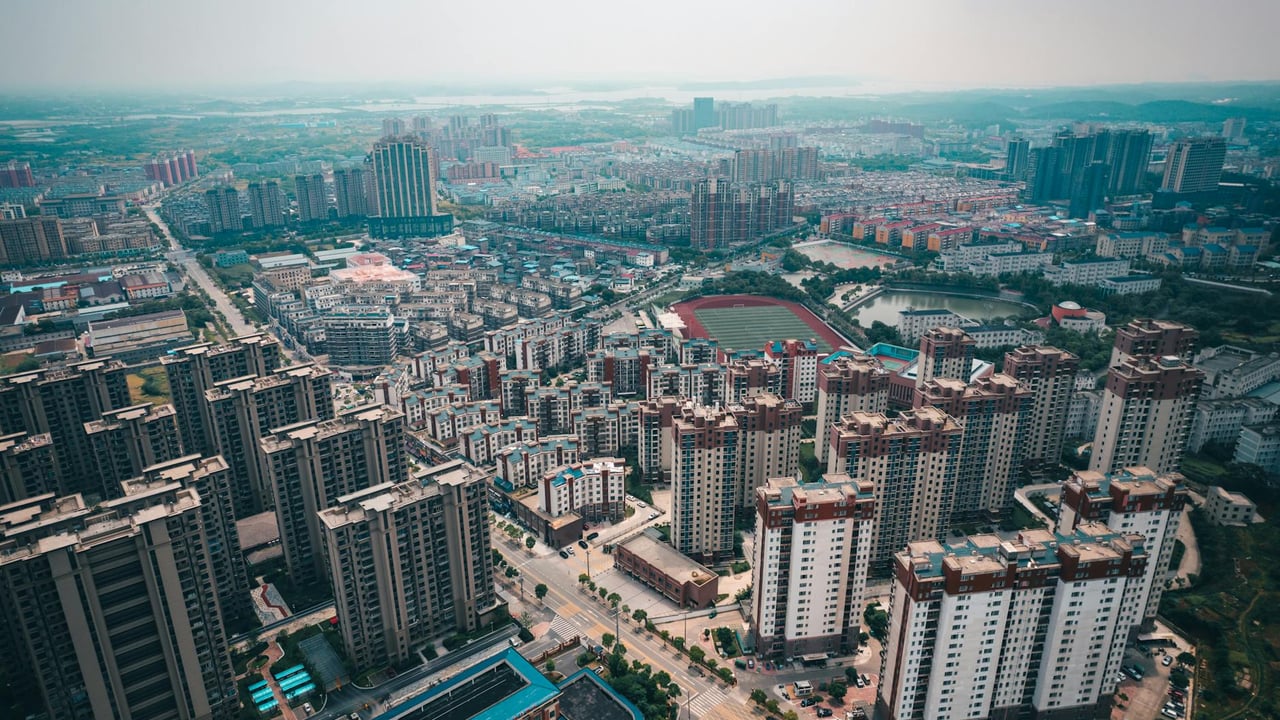
The directive outlines a strategy that links housing, transportation, and consumption to fertility support, attempting to reduce the crushing cost of living in China’s tier-one and tier-two cities. Plans include the construction of small-scale 'youth apartments' near transit hubs and employment centers, intended to shorten commutes and lower the barrier to independent living. By fostering 15-minute 'life circles' that include childcare, leisure, and community services, Beijing hopes to make the prospect of raising a family in an urban environment more feasible for an exhausted workforce.
Beyond physical infrastructure, the state is intensifying its role as a social architect, calling for the active guidance of young people’s 'views on marriage and relationships.' The document encourages the development of public matchmaking services and emphasizes the need to cultivate a 'pro-birth culture' to counter the growing 'lying flat' phenomenon. This ideological push is coupled with promises of enhanced protection for youth workers, including mandates for paid leave and social security, as the state attempts to strike a new social contract with Gen Z and Millennials.
The roadmap sets ambitious benchmarks, aiming for the widespread adoption of 'youth-friendly' urban concepts by 2030 and the full maturation of these systems by 2035. These deadlines align with China’s broader goals for national rejuvenation, reflecting an awareness that a shrinking, aging population could stall the country’s economic momentum. Whether these top-down urban reconfigurations can truly shift the deeply ingrained cultural and economic anxieties of China’s youth remains the ultimate test for the administration.