Energy Hegemony at Gunpoint: Iran’s Dire Warning to the Gulf

Iran has issued a stern warning to its Gulf neighbors, threatening to destroy their oil production facilities if their territories are used by the United States to launch attacks against the Islamic Republic. This move underscores Tehran's strategy of using regional energy security as a deterrent against Western military pressure.

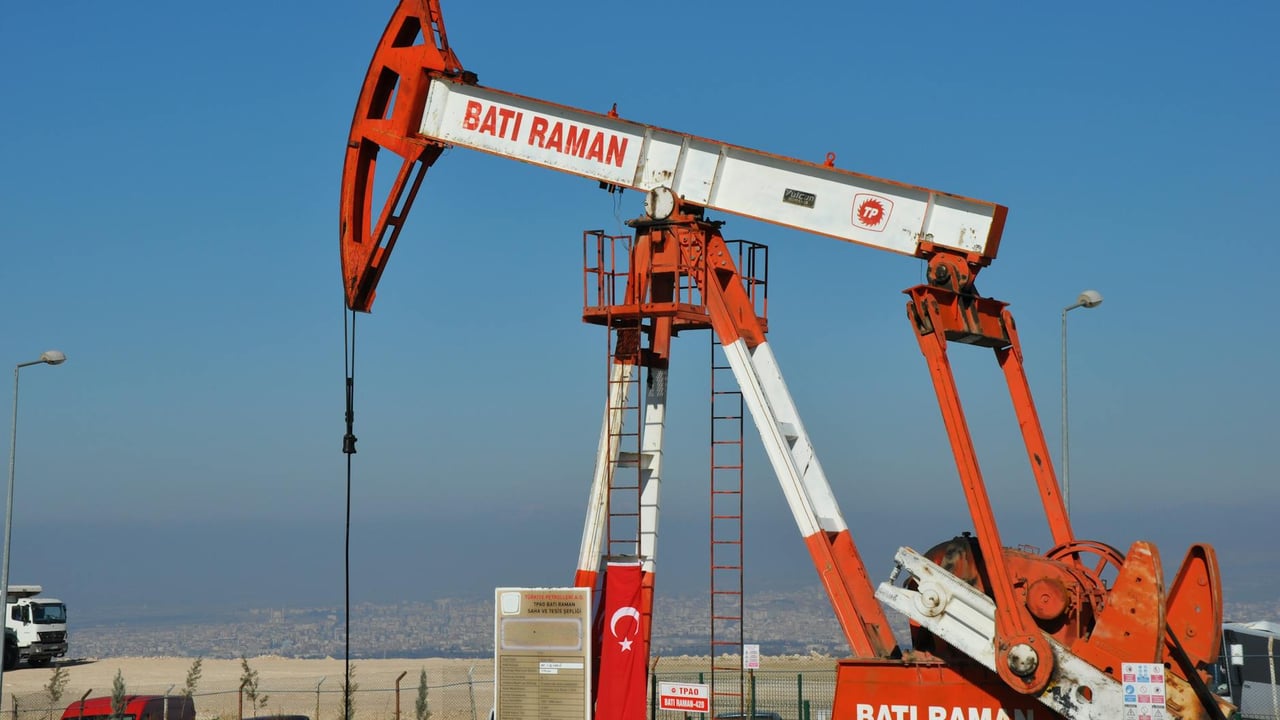
Bati Raman oil pump jack in Batman, Turkey. Industrial landscape with city view.

Key Takeaways

  • 1IRGC Aerospace Commander Musavi explicitly threatened the oil infrastructure of neighboring Gulf states.
  • 2The threat is a direct response to the potential use of regional bases by U.S. forces for strikes against Iran.
  • 3Tehran accompanied the rhetoric with visual propaganda demonstrating their capability to target energy hubs.
  • 4This strategy aims to force regional neighbors to deny the U.S. military access to their airspace and facilities.
  • 5The warning suggests that Iran views regional host nations as legitimate targets in the event of a conflict with Washington.

Editor's
Desk

Strategic Analysis

Iran is effectively weaponizing the global economy's dependence on Gulf oil to create a 'security buffer' around its borders. By holding the oil fields of Saudi Arabia or the UAE hostage, Tehran is not just threatening its neighbors, but is sending a clear message to the international community that any localized conflict will immediately morph into a global energy crisis. This tactic forces regional powers to act as reluctant lobbyists for Iranian interests in Washington; they now face a scenario where their national wealth is the primary target in a U.S.-Iran confrontation. The move likely aims to fracture the unified front the U.S. tries to maintain with its Arab allies by highlighting that the cost of an American strike will be borne primarily by the neighbors of the target.

China Daily Brief Editorial
Strategic Insight
China Daily Brief

Tehran has once again raised the stakes in the volatile Middle East, shifting its focus from direct military confrontation to a sophisticated strategy of economic coercion. Brigadier General Mousavi, a senior commander within the Islamic Revolutionary Guard Corps (IRGC) Aerospace Force, issued a chilling ultimatum to Iran’s southern neighbors: any facilitation of American aggression will lead to the permanent cessation of their oil production.

This rhetoric marks a significant escalation in Iran's deterrence doctrine. By explicitly targeting the energy infrastructure of the Gulf monarchies, Tehran is signaling that it no longer views the presence of U.S. military bases as a localized concern, but as a direct existential threat that warrants a regionalized response. The message is clear: if Iran suffers, the global energy market will suffer with it.

The timing of this announcement, coupled with the release of high-production propaganda videos showing coordinated strikes, suggests a calculated effort to influence the foreign policies of states like Saudi Arabia, the UAE, and Qatar. These nations, which host critical U.S. military assets, now find themselves caught in a precarious balancing act between their security guarantees with Washington and the physical safety of their primary economic engines.

Historically, Iran has utilized its "axis of resistance" to project power through proxies, but this direct threat to "say goodbye to oil production" indicates a shift toward overt state-on-state brinkmanship. As global energy prices remain sensitive to geopolitical shocks, Tehran's latest gamble utilizes the world’s reliance on the Strait of Hormuz as a strategic shield against Western military intervention.

Share Article

Related Articles

📰
No related articles found