
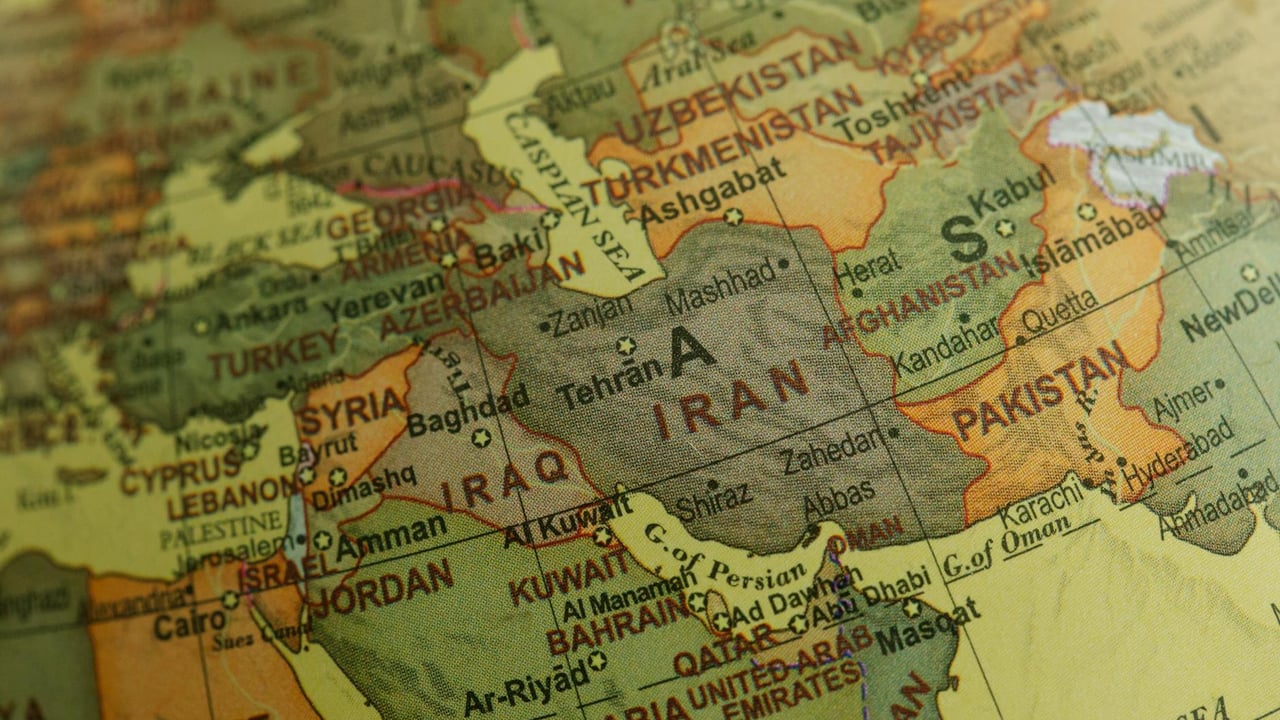

What was initially conceived as a swift strategic maneuver to secure key resources and waterways in the Middle East has devolved into a grueling war of attrition. Despite recent temporary truces mediated by third parties like Pakistan, the conflict between the United States, Israel, and Iran has entered a volatile phase of 'fighting while talking.' This shift from a decisive engagement to a protracted stalemate is now exerting significant pressure on the American domestic and international standing.
Economically, the financial toll of the conflict has far exceeded initial projections, with direct costs surpassing $42 billion by early April. To sustain this momentum, the Pentagon has requested massive budget supplements, culminating in a record $1.5 trillion defense proposal for the next fiscal year. This surge in military spending, coupled with a 30% rise in domestic fuel prices, has pushed the probability of a U.S. economic recession to nearly 49%, according to recent market forecasts.
Diplomatically, Washington finds itself increasingly isolated as its traditional alliance architecture begins to fray. Unlike previous interventions in the Middle East, the current military campaign lacks broad international support, with key European allies like France and Germany refusing to participate in maritime escort or direct strikes. Even reliable partners in the Indo-Pacific, such as South Korea, have expressed quiet frustration as the U.S. diverts critical anti-missile systems away from their theater to bolster Middle Eastern fronts.
Strategically, the conflict has failed to achieve its primary objectives of dismantling Iran's nuclear capabilities or facilitating regime change. Instead, the pressure has seemingly accelerated Tehran's nuclear program and forced a blockade of the vital Strait of Hormuz, leaving the U.S. in a state of 'strategic overstretch.' Washington now faces a classic dilemma: it cannot afford to stay in another 'permanent war,' yet it cannot accept the geopolitical defeat of a complete withdrawal.