
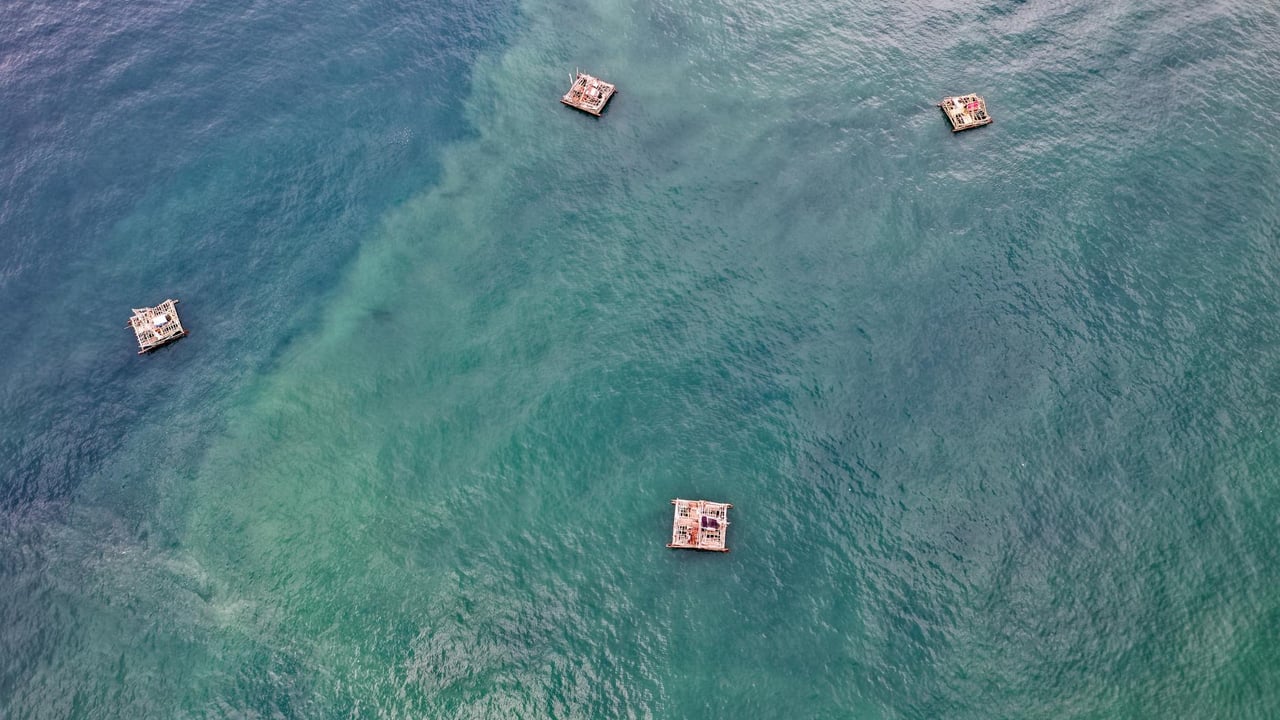

In April 2026, the long-simmering dispute over Second Thomas Shoal entered a volatile new chapter as Manila and Beijing swapped accusations of ecological sabotage. The Philippine National Security Council’s claim that Chinese fishermen were using cyanide was met with a swift, stinging rebuke from Beijing, which labeled the incident a staged theatrical performance intended to deflect from Manila's own domestic failings.
This latest friction highlights a significant shift in the South China Sea narrative, where environmental health is becoming a proxy for territorial legitimacy. While Manila frames itself as a defender of marine biodiversity, Beijing is increasingly leveraging scientific data to cast the Philippines as the primary culprit behind the region’s ecological degradation through historical practices and the presence of a rusting military outpost.
The historical record adds a layer of irony to Manila’s recent claims, as cyanide fishing—the practice of using toxic chemicals to stun fish—actually has its roots in the Philippine aquarium trade of the 1960s. For decades, this destructive method has plagued Southeast Asian waters, driven by high demand for live reef fish in international markets and a lack of local regulatory oversight.
Beyond historical baggage, the Philippines faces a deepening domestic crisis as its coastal fishery yields continue to plummet, with a nearly 7% drop recorded in 2025. This industrial collapse suggests that the recent focus on external sabotage may be a strategic distraction from the systemic issues of overfishing and mismanagement that have crippled Philippine coastal communities.
At the heart of the environmental dispute lies the BRP Sierra Madre, a World War II-era vessel grounded by the Philippines in 1999 to assert its claims. Chinese ecological surveys now suggest that the ship acts as a persistent pollutant, with heavy metal runoff and the burning of waste causing a catastrophic 87% decline in coral cover in the ship's immediate vicinity.
Beijing’s defense further underscores the industrial divergence between the two nations, as China moves aggressively toward a high-tech blue transformation. With aquaculture now accounting for over 80% of its total seafood production, China argues that primitive and high-risk methods like cyanide fishing have no place in its modern maritime economic strategy.
Ultimately, the battle over Second Thomas Shoal is no longer just a contest of naval presence, but a clash of competing environmental narratives. As both sides weaponize green justice, the actual health of the South China Sea’s fragile ecosystems remains precariously caught in the crossfire of geopolitical posturing.