

The Chinese equity market reached a significant psychological milestone on April 22, with the Shanghai Composite Index reclaiming the 4,100-point level and the ChiNext Index hitting an all-time high. Trading volume surged to a massive 2.56 trillion yuan, signaling a robust return of retail and institutional appetite. This rally is increasingly defined by a sectoral rotation away from traditional consumer staples and toward the high-tech hardware essential for the global artificial intelligence boom.
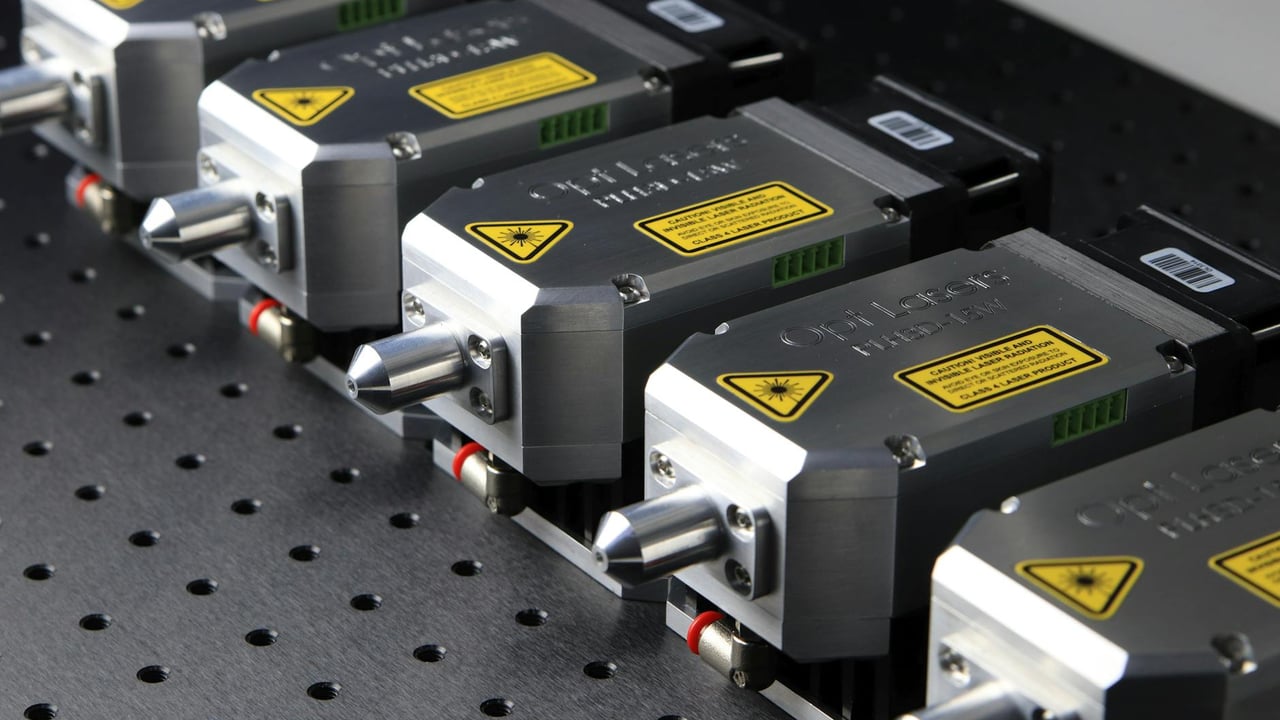
In a symbolic shift for Chinese capital markets, the combined valuation of three leading optical module manufacturers—Zhongji Innolight, Eoptolink, and TFC—briefly eclipsed that of the traditional market heavyweight Kweichow Moutai. This 'Yi Zhong Tian' trio represents the backbone of AI infrastructure, reflecting a structural pivot in investor sentiment. As global demand for high-speed data transmission accelerates, these hardware plays have become the new benchmarks for growth, challenging the long-standing dominance of the liquor and property sectors.
While the stock market surges, the financial services sector is undergoing a quiet retrenchment. Major institutions, including the Agricultural Bank of China and China Minsheng Bank, have announced the cessation of various themed and co-branded credit cards. This retreat signals that China’s credit card market has reached a point of saturation, forcing lenders to pivot from aggressive customer acquisition to more disciplined, high-quality management of existing portfolios. High operational costs and a rise in 'dormant' accounts are compelling banks to prune niche products that no longer serve their bottom line.
However, the rapid digitization of the service economy continues to face governance challenges, as evidenced by a burgeoning 'ghost order' scandal involving the platform 58.com. Investigations revealed a system where fraudulent orders were generated automatically, leading to exorbitant charges for unsuspecting consumers seeking home repairs. This incident, coupled with a recent probe into major pharmacy chains in Hunan for the misuse of medical insurance funds, highlights the persistent friction between platform growth and consumer protection.
On the international front, global supply chain volatility is manifesting in unexpected ways, with the world's largest condom manufacturer, Karex, announcing a potential 30% price hike due to Middle Eastern tensions. Domestically, China’s industrial sector shows signs of stabilization; the silicon market has finally halted a two-month price slide. As the Ministry of Finance continues to issue sovereign bonds in Hong Kong to the tune of 15.5 billion yuan, the broader economic picture remains one of a sophisticated, if uneven, recovery characterized by high-tech optimism and pragmatic deleveraging.