
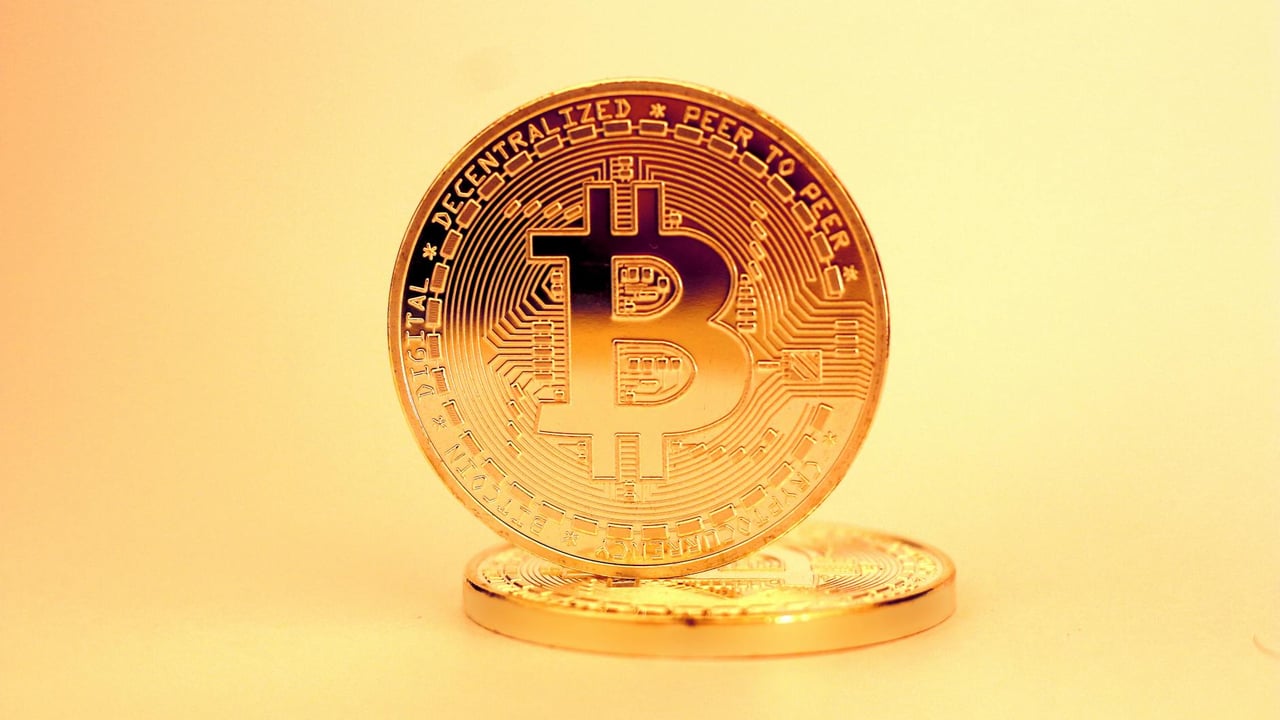

The cryptocurrency market has entered a fresh cycle of exuberance as Bitcoin, the world’s premier digital asset, surged past the $79,000 threshold. This milestone represents a significant recovery and a new peak since the early months of the year, underscoring the asset's enduring appeal despite a landscape of varying global regulatory pressures. Ethereum, the second-largest cryptocurrency by market capitalization, mirrored this bullish sentiment by climbing nearly 5% to reach approximately $2,420.
This rally comes at a pivotal moment for global finance, where digital tokens are increasingly viewed not merely as speculative instruments but as integral components of a diversified modern portfolio. The 24-hour surge of over 4% in Bitcoin’s valuation suggests a robust re-entry of institutional liquidity into the space. As traditional markets grapple with inflationary concerns and shifting macroeconomic indicators, the narrative of Bitcoin as a hedge against fiat volatility continues to gain traction among international investors.
Within the Chinese context, the resurgence of cryptocurrency prices presents a complex paradox for the state. Despite Beijing’s stringent 2021 ban on domestic trading and mining, the enthusiasm for these assets remains palpable within the mainland's sophisticated "gray market." Investors in China, facing a cooling real estate sector and a volatile domestic stock market, are often drawn to decentralized platforms as alternative avenues to preserve capital beyond the direct reach of local capital controls.
The broader implications of this price action extend beyond simple market speculation. The coordinated rise of major tokens like Bitcoin and Ethereum indicates a broader "risk-on" appetite in the global financial ecosystem. If Bitcoin maintains its momentum above the $79,000 mark, it may trigger a further influx of capital, potentially forcing a re-evaluation of digital asset policy in major economies and further legitimizing the sector as a permanent fixture of global finance.