
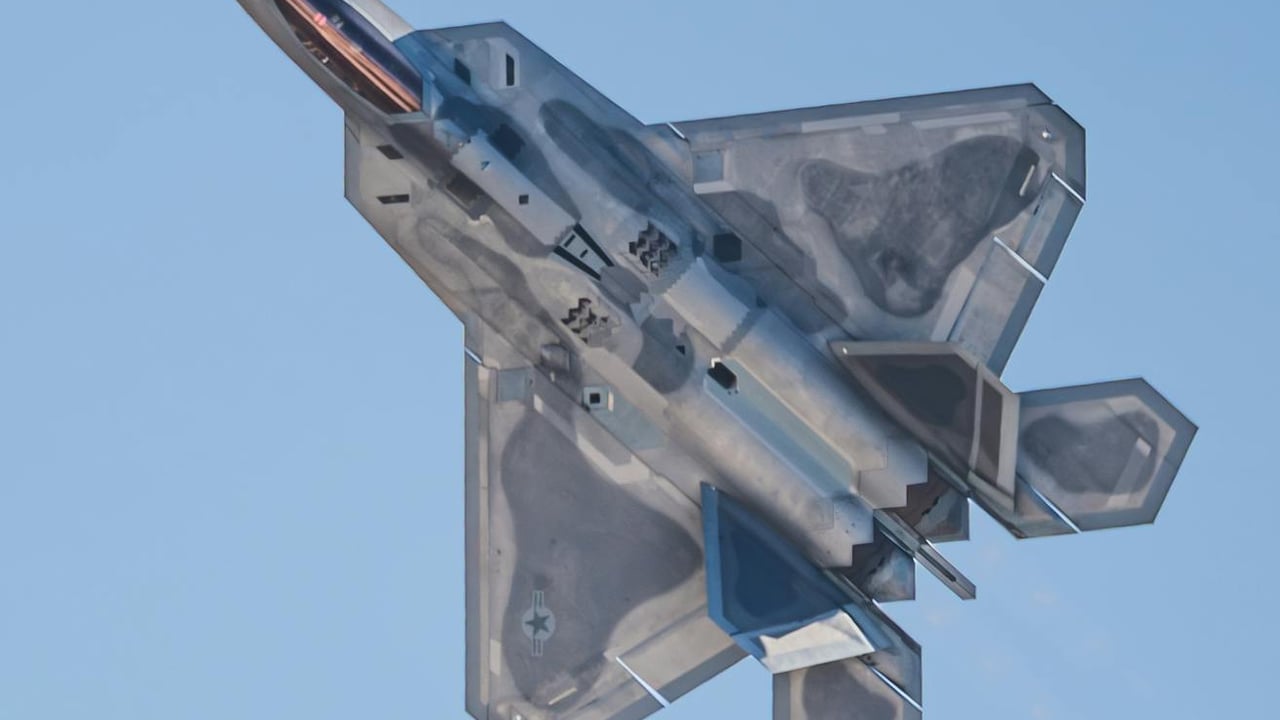

In a display of choreographed military pageantry and historical reverence, China’s newest aerial assets took to the skies this week to escort the remains of the thirteenth batch of Chinese People’s Volunteers (CPV) from South Korea. The mission featured the Y-20B heavy transport aircraft, flanked by a quartet of J-20 stealth fighters, marking a high-profile fusion of historical memory and modern military might.
The Y-20B, flying under the callsign 'Ronggui 50'—a direct reference to the year 1950 when Chinese forces entered the Korean War—entered Chinese airspace to be met by the 'Red Eagle' escort of J-20s. This specific callsign choice highlights the Chinese Communist Party's ongoing effort to bridge the sacrifices of the past with the technological prowess of the present.
Since 2014, these repatriations have become a cornerstone of China's domestic narrative regarding the 'War to Resist U.S. Aggression and Aid Korea.' By utilizing its most advanced indigenous stealth fighters for the escort, Beijing is signaling that the military which once fought with inferior equipment is now a peer-competitor on the global stage.
The live-streamed event by state media serves as a potent tool for domestic patriotic education, emphasizing national unity and the high cost of sovereignty. As the 13th such ceremony, it demonstrates a normalized diplomatic channel between Beijing and Seoul, even as broader regional tensions fluctuate.