
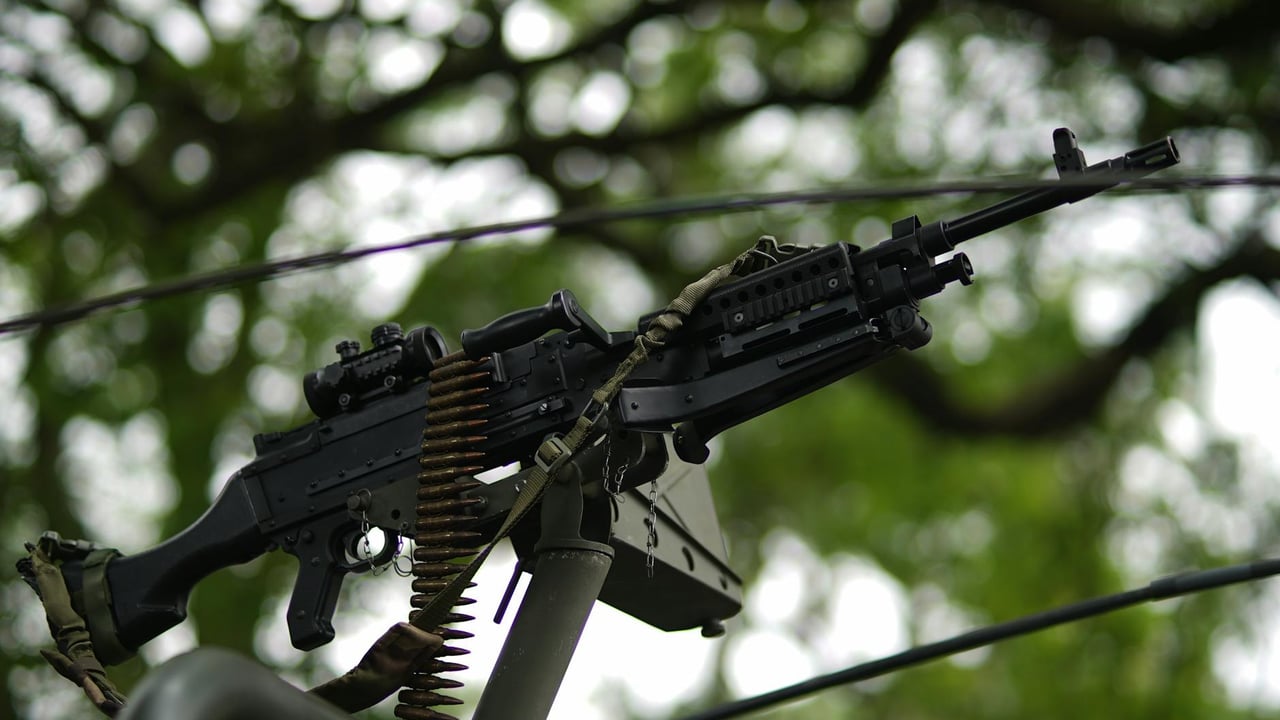

Japan has reached a decisive turning point in its post-war security posture, signaling a profound shift away from the pacifist constraints that have defined its international identity for eight decades. The Cabinet’s recent decision to amend the 'Three Principles on Transfer of Defense Equipment and Technology' effectively ends the long-standing ban on the export of lethal weapons. This policy reversal allows Tokyo to not only export finished combat systems but also potentially supply nations currently embroiled in active conflicts, fundamentally altering the region's geopolitical calculus.
This legislative shift is not merely a bureaucratic adjustment but a strategic move to revitalize Japan’s dormant military-industrial complex. For years, major Japanese industrial players within the Keidanren (Japan Business Federation) have sought to move beyond civilian goods, eyeing the lucrative global arms market to offset domestic economic stagnation. Analysts suggest a deepening symbiosis between the ruling Liberal Democratic Party and corporate interests, where defense exports are viewed as a necessary engine for high-tech economic growth and an essential tool for 'military self-sustenance.'
The scale of this ambition is evidenced by a landmark $7 billion naval contract with Australia, the largest defense deal in Japan's post-war history. Under this agreement, Mitsubishi Heavy Industries will spearhead the development of a new class of frigates for the Australian Navy. Beyond hardware sales, Tokyo is tightening its security architecture through joint development projects with the United Kingdom and Italy on next-generation fighter jets, while simultaneously accelerating missile integration with American forces.
Perhaps most provocative to regional neighbors is the tactical 'front-loading' of military assets in the First Island Chain. The deployment of anti-aircraft missile units on Yonaguni Island—situated just 110 kilometers from Taiwan—represents a significant escalation in Japan's 'counter-strike' capabilities. By creating a linked defensive arc across the Nansei Islands, Tokyo is effectively positioning itself to intervene in potential Taiwan Strait contingencies, moving far beyond its traditional 'shield' role into an offensive 'spear' posture.
Beijing views these developments with profound historical suspicion, framing them as a calculated attempt to hollow out Article 9 of the Japanese Constitution. Critics argue that the failure to fully reconcile with its imperial history, punctuated by persistent official visits to the Yasukuni Shrine, renders Japan’s current military expansion a dangerous revival of 'militaristic ghosts.' As Tokyo seeks the status of a 'military power,' the resulting arms race and value-based alliances may deepen the fissures in the Indo-Pacific, leading to what some scholars describe as a strategic 'drinking of poison to quench thirst.'