

In a display of strategic defiance, Tehran has declared itself the victor in its ongoing confrontation with Washington, signaling a fragile pause in active hostilities while simultaneously fortifying its diplomatic red lines. Following a statement from Donald Trump regarding an extension of a ceasefire, Iranian state media has framed the current suspension of military operations not as a concession, but as a calculated maneuver from a position of strength. This narrative highlights a critical pivot in the 2026 Middle Eastern landscape, where the line between temporary truce and perpetual conflict remains dangerously thin.
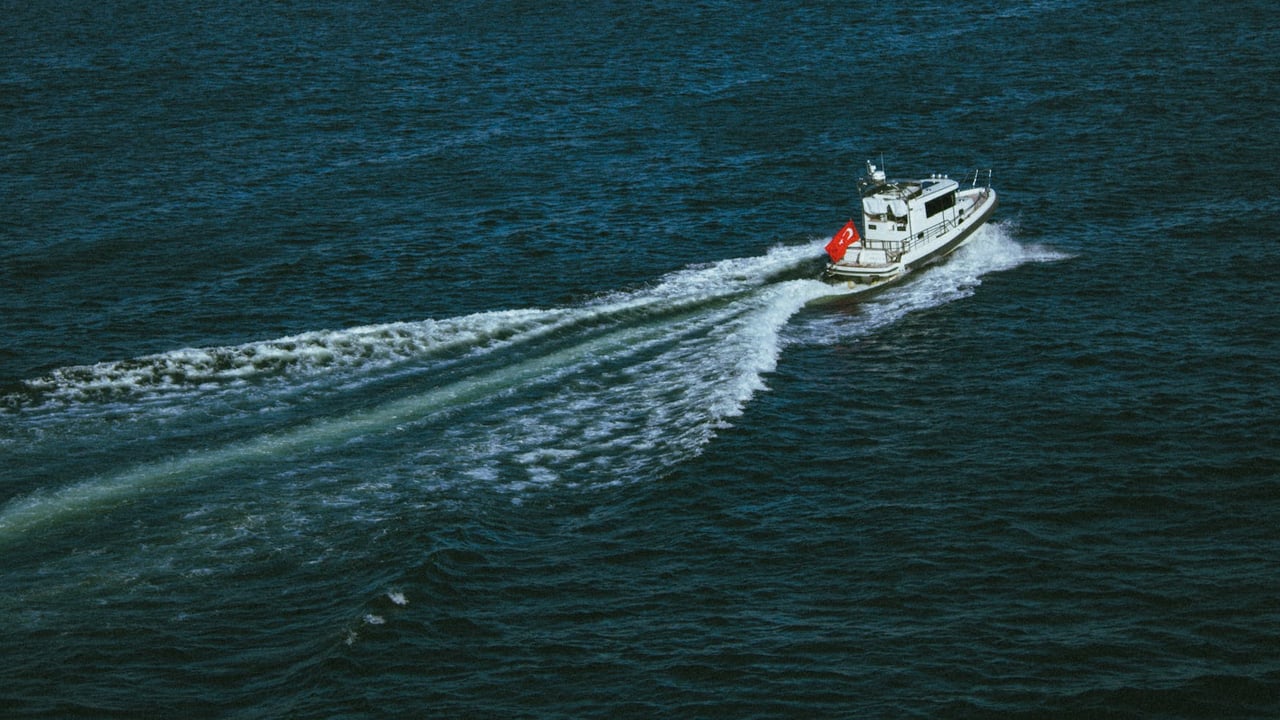
Central to Tehran's emboldened stance is its continued dominance over the Strait of Hormuz. By positioning its control of this vital maritime artery as its most 'valuable bargaining chip,' Iran is reminding global markets and military strategists alike that it possesses the power to disrupt the world’s energy lifeline at will. This geographical leverage appears to have provided the Islamic Republic with the domestic political capital to agree to a 'pause' in combat without formally concluding the broader ideological and strategic war.
However, the rhetoric emerging from Tehran suggests that any long-term resolution remains unlikely under current conditions. The state broadcaster has explicitly warned against any diplomatic path that implies Iranian submission to external pressure. For the Iranian leadership, the terms of engagement are clear: any lifting of maritime blockades or entrance into formal negotiations must not touch upon what they deem 'internal affairs.' This specifically includes the nation’s missile defense systems and its sophisticated nuclear program.
By labeling its uranium enrichment and missile development as non-negotiable matters of national sovereignty, Iran is effectively preempting any Western attempts to revive a comprehensive nuclear deal. The insistence that the ownership and dilution of enriched uranium are strictly domestic concerns creates a significant hurdle for international mediators. As the military 'pause' takes effect, the theater of conflict has simply shifted from active combat to a high-stakes diplomatic standoff where Iran feels it holds the upper hand.