
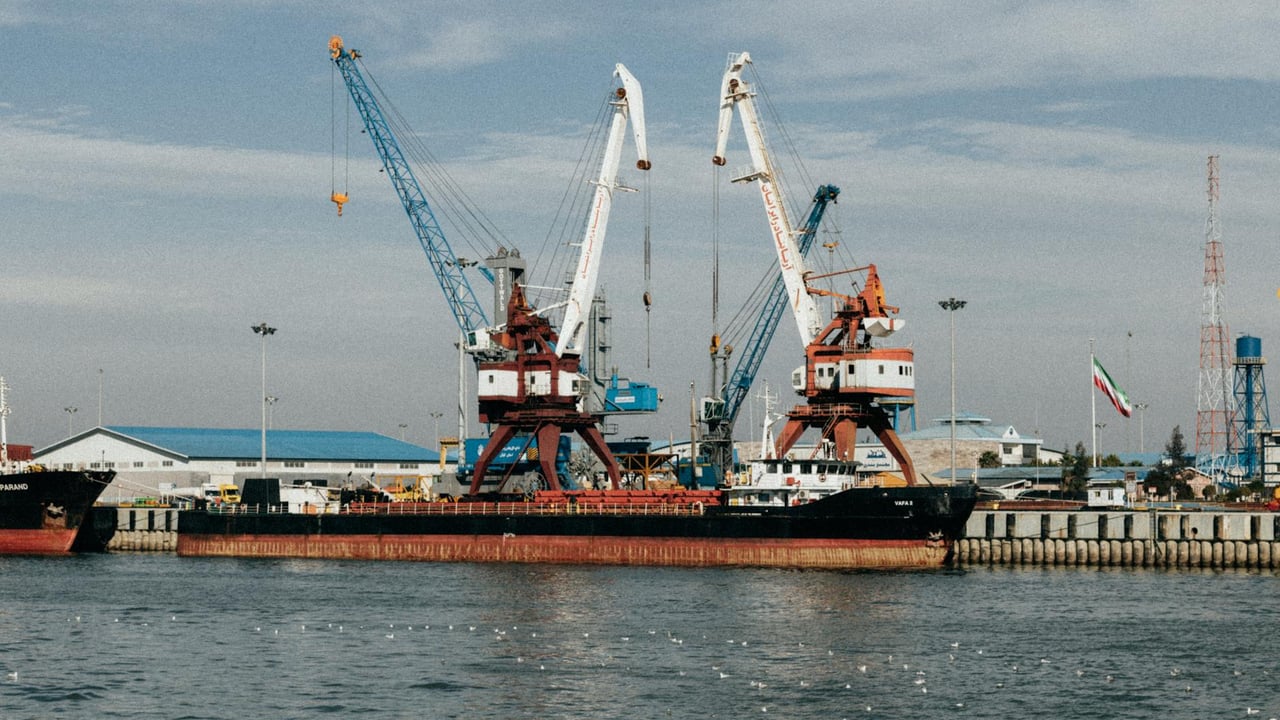

A potential diplomatic thaw between Tehran and Washington may hinge on the high seas, as Iranian officials signal a conditional readiness for a second round of direct negotiations. Amir Saeid Iravani, Iran’s Permanent Representative to the United Nations, has indicated that the lifting of the current U.S. maritime blockade could serve as the essential foundation for upcoming talks in Islamabad, Pakistan. This move comes as the U.S. naval presence has reportedly shifted from the strategic bottleneck of the Strait of Hormuz directly to the thresholds of Iranian ports.
The shift in naval posture marks a significant escalation in the 'maximum pressure' campaign, which Tehran characterizes as a blatant violation of previously established ceasefire protocols. By moving the blockade to the port entrances, the U.S. has effectively choked off the remaining lifelines of Iranian maritime commerce. For Iravani and the more moderate diplomatic wing in Tehran, the prospect of the U.S. easing these restrictions represents a necessary face-saving measure that would allow the Raisi administration—or its successors—to return to the table without appearing to surrender.
However, the diplomatic overture is being met with a sharp 'good cop, bad cop' routine from Tehran’s legislative hawks. Ebrahim Azizi, chairman of the Iranian Parliament’s National Security and Foreign Policy Committee, has warned that the 'language of the battlefield' remains on the table if diplomacy fails to yield tangible results. Azizi’s rhetoric underscores a domestic reality where any perceived weakness in negotiations is treated as a betrayal of national dignity, suggesting that Iran is prepared to pivot back to kinetic escalation if the Islamabad track stalls.
This tension highlights the fragility of the current geopolitical landscape. As both nations eye a possible second round of direct engagement in Pakistan, the maritime environment remains the primary theater of friction. The outcome of this standoff will not only determine the viability of a renewed diplomatic framework but will also dictate the stability of global energy markets and the security of the Persian Gulf for the foreseeable future.