The High Price of Protection: Pentagon Targets $30 Billion to Refill Missile Arsenals

The U.S. Department of Defense is planning a $30 billion expenditure to replenish depleted stocks of Patriot and THAAD interceptors alongside advanced precision missiles. This move follows a period of heavy utilization in operations involving Iran that has pushed current inventories to critical levels.

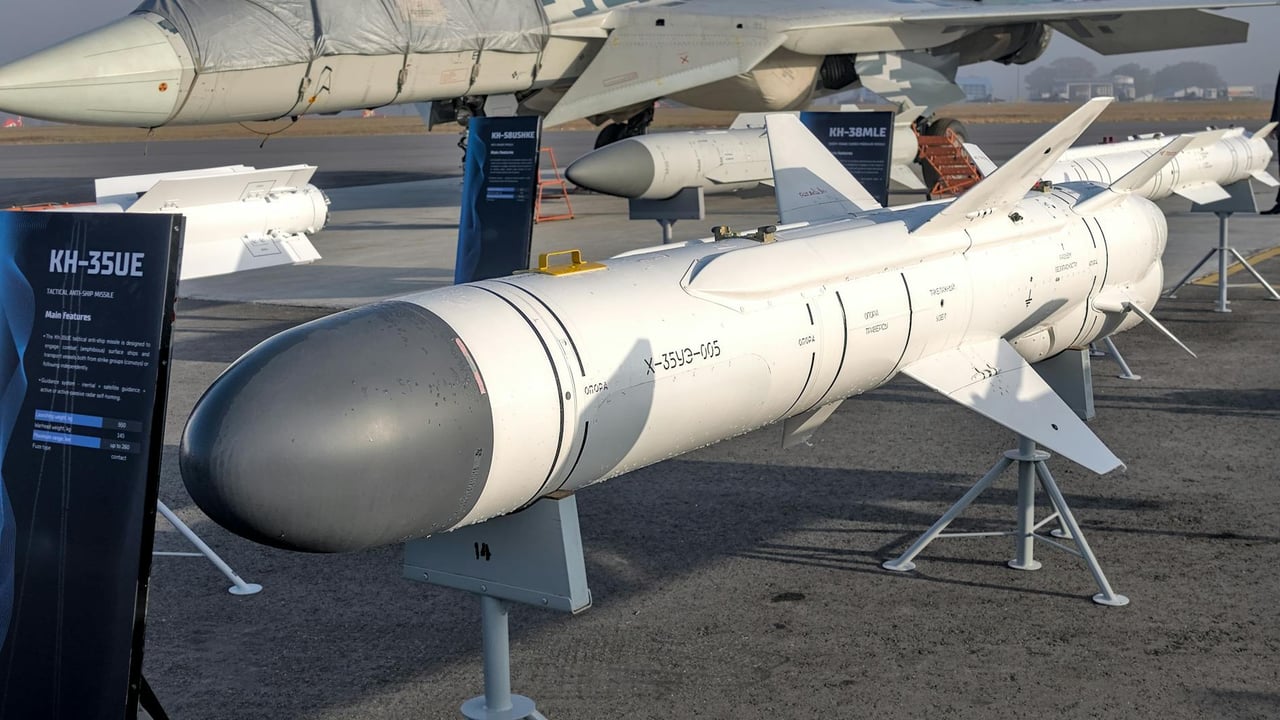
Close-up of KH-35UE missile displayed at Aero India 2025 in Bengaluru, India.

Key Takeaways

  • 1U.S. defense officials have proposed a $30 billion budget for the procurement of critical munitions and interceptors.
  • 2Inventories of Patriot and THAAD missile interceptors have reached critical lows following military actions in the Middle East.
  • 3The funding will also cover advanced Army hardware including Precision Strike Missiles (PrSM) and Mid-Range Capability (MRC) systems.
  • 4The shortage highlights the challenge of balancing active defense operations with the need to maintain a strategic reserve for future conflicts.

Editor's
Desk

Strategic Analysis

This $30 billion move is a clear admission that the 'burn rate' of sophisticated interceptors in regional conflicts is outpacing the current U.S. industrial capacity. For years, the Pentagon has prioritized high-tech R&D over mass production, but the recent engagements with Iranian-backed forces demonstrate that quantity has a quality of its own in missile defense. This spending is not just about refilling shelves; it is a signal to both allies and adversaries that the U.S. is moving to fix a critical vulnerability in its 'Arsenal of Democracy' before a larger, more sustained conflict breaks out. The emphasis on PrSM and MRC systems further suggests that while the immediate crisis is in the Middle East, the strategic eyes of the Pentagon remain firmly fixed on the long-range requirements of a potential Indo-Pacific theater.

China Daily Brief Editorial
Strategic Insight
China Daily Brief

The relentless pace of modern missile warfare has forced the U.S. Department of Defense to confront a sobering reality: its stockpiles are being depleted faster than they can be replenished. Defense officials have recently moved to allocate over $30 billion toward the procurement of critical munitions, signaling an urgent effort to restock a domestic arsenal strained by continuous operational demands in the Middle East.

At the center of this massive budgetary push are the interceptors for the Patriot air defense system and the Terminal High Altitude Area Defense (THAAD) system. While the Patriot remains the gold standard for intercepting short-range ballistic missiles and manned aircraft, THAAD provides a critical layer of defense against medium-range threats. Both systems have seen high usage rates as the U.S. and its allies counter localized aerial threats and ballistic barrages.

The impetus for this spending surge stems largely from recent military engagements involving Iran, where the sheer volume of defensive interceptions pushed inventory levels to what officials describe as critical lows. This 'inventory alarm' highlights a significant bottleneck in the defense industrial base, which is struggling to scale production of these sophisticated and expensive interceptors to match the consumption rates of active conflict zones.

Beyond replenishing current defenses, the $30 billion initiative also looks toward the future of the U.S. Army's offensive capabilities. Significant portions of the funds are earmarked for the Precision Strike Missile (PrSM) and the Mid-Range Capability (MRC) missile systems. These investments reflect a strategic pivot toward high-end, long-range engagements that would be essential in any potential conflict involving a peer competitor in the Indo-Pacific or Europe.

Share Article

Related Articles

📰
No related articles found