The Mounting Price of Attrition: Pentagon Data Reveals Rising US Casualties in Iran Campaign

The Pentagon has reported 415 injuries and 13 deaths among U.S. service members since the start of military operations against Iran in February 2026. The data reveals significant vulnerabilities for U.S. forces stationed in Kuwait and Saudi Arabia, particularly against Iranian missile strikes and operational accidents.

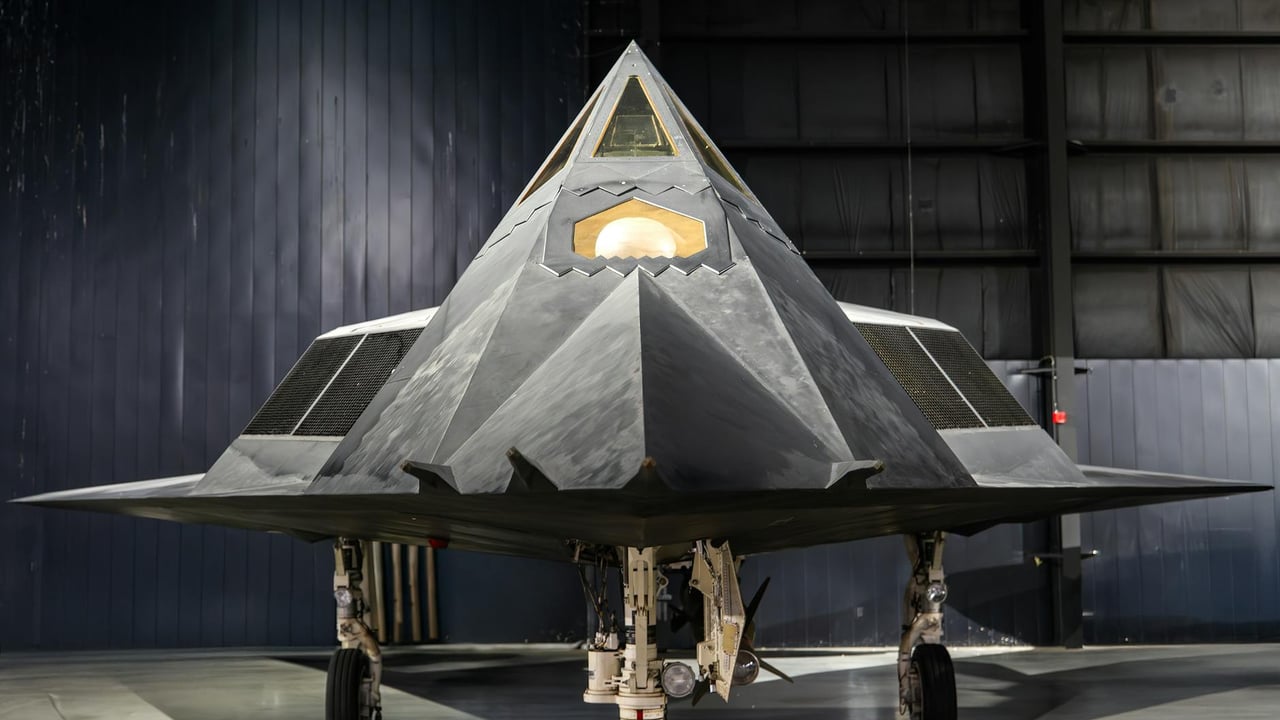
Front view of the iconic F-117 Nighthawk Stealth Fighter at a Dayton museum.

Key Takeaways

  • 1A total of 415 U.S. military personnel have been injured in the Iran conflict since late February 2026.
  • 2The U.S. Army sustained the highest number of injuries with 271 personnel affected.
  • 3Thirteen fatalities have been confirmed, including victims of missile strikes in Kuwait and a tanker aircraft crash.
  • 4High-value American assets, such as AWACS early-warning aircraft, have been successfully targeted at bases in Saudi Arabia.
  • 5The conflict demonstrates a shift toward asymmetric warfare where rear-echelon bases are no longer sanctuary zones.

Editor's
Desk

Strategic Analysis

The reported casualty figures suggest that the 2026 conflict with Iran has evolved into a dangerous war of attrition rather than a swift, decisive engagement. By targeting logistics hubs in Kuwait and airbases in Saudi Arabia, Tehran is successfully leveraging its missile inventory to bypass traditional U.S. naval and air superiority. The high injury-to-death ratio (roughly 32:1) points to the effectiveness of U.S. body armor and medical response, yet the sheer volume of injuries indicates a sustained level of bombardment that could eventually erode political support in Washington. The loss of an AWACS aircraft is particularly significant, as it represents a successful strike against the 'eyes and ears' of the U.S. military, signaling that Iran possesses the precision and intelligence to threaten the most sophisticated components of the American war machine.

China Daily Brief Editorial
Strategic Insight
China Daily Brief

A recent disclosure from the Pentagon has cast a sobering light on the intensifying friction between Washington and Tehran, revealing that 415 U.S. military personnel have been injured since operations began on February 28, 2026. While the American public has grown accustomed to the surgical nature of modern air strikes, these figures underscore a conflict that is increasingly defined by persistent attrition and regional volatility. The data highlights a broad exposure across all service branches, with the Army bearing the brunt of the casualties.

According to the Defense Department's breakdown, the Army accounts for 271 of the injured, followed by 63 from the Navy and 62 from the Air Force. The Marines, typically the tip of the spear in ground incursions, reported 19 injuries, suggesting that the current engagement relies heavily on sustained presence and logistical support in high-risk zones. This distribution reflects a theater where support personnel and fixed installations are increasingly vulnerable to asymmetric threats.

While the injury count is significant, the death toll remains at 13, illustrating both the effectiveness of modern medical evacuation and the lethal potential of Iranian regional reach. Six personnel were killed during a missile strike on installations in Kuwait, while another succumbed to wounds in Saudi Arabia. The tragedy was further compounded by a refueling tanker crash, which claimed six lives, highlighting the inherent operational risks of maintaining a high-tempo aerial campaign over the Persian Gulf.

The strategic landscape has shifted as Iranian missile capabilities continue to challenge long-standing security assumptions in the Middle East. Images of a destroyed U.S. AWACS aircraft at Prince Sultan Air Base in Saudi Arabia serve as a potent symbol of this new reality. These high-value assets, once considered safe behind layers of integrated air defenses, are now primary targets in a conflict where the traditional boundaries of the battlefield have dissolved.

Share Article

Related Articles

📰
No related articles found