
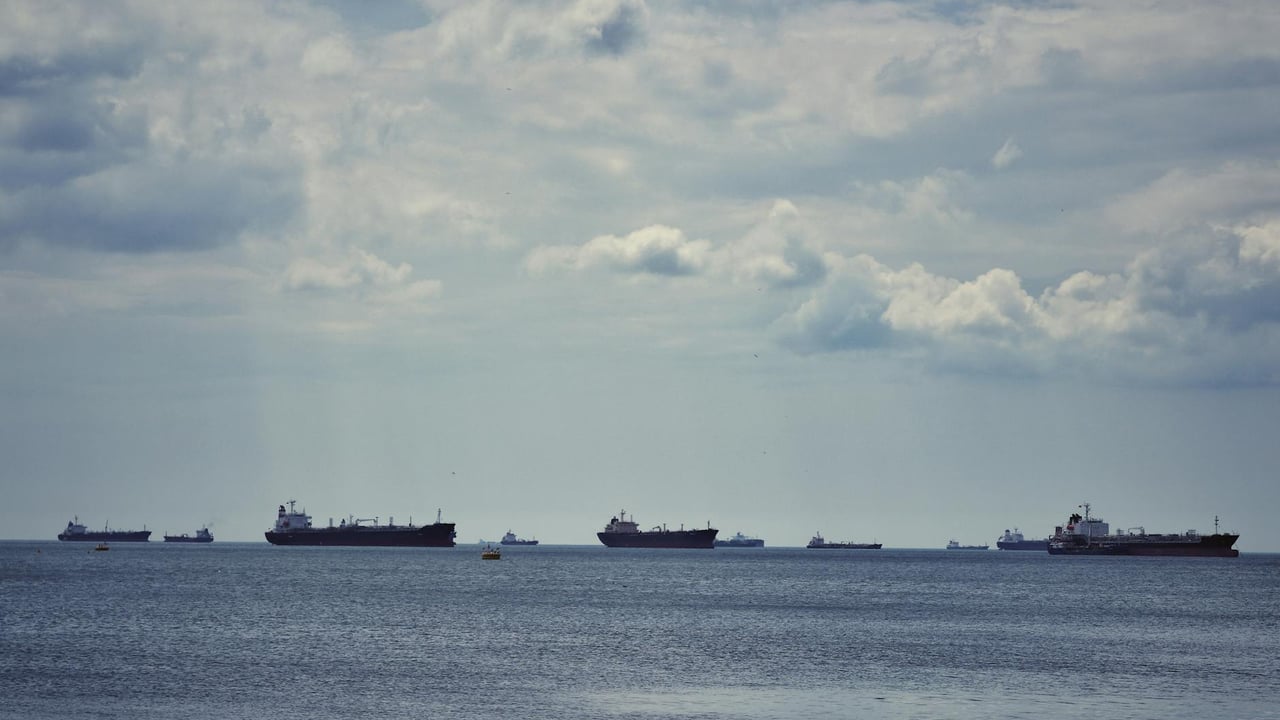

The Strait of Hormuz has transformed from a vital global artery into a maritime fortress, as the escalating conflict between the United States, Israel, and Iran triggers what the International Energy Agency (IEA) describes as the most severe energy crisis in recorded history. Following a total blockade of Iranian ports initiated on April 13, the region has descended into a tactical stalemate that has effectively severed the world's primary oil supply route. Iranian officials have maintained a defiant stance, with Parliamentary Speaker Mohammad Bagher Ghalibaf asserting that the waterway will remain closed until maritime blockades and 'global economic coercion' are terminated.
The physical reality of the blockade is tightening the noose on Iran’s internal infrastructure. Military pressure from U.S. Central Command has forced dozens of vessels to turn back, leading to a critical storage crisis at Iran’s Kharg Island facilities. Data suggests that if production remains steady, Iran will reach 'tank-top' capacity within eight days, forcing an unprecedented and technically difficult shutdown of its primary oil fields. While some analysts suggest Tehran could stretch its reserves for two months by slashing output to a minimum, the economic consequences of such a move would be catastrophic for the Islamic Republic.
Adding to the global anxiety is a grim assessment from the Pentagon, which suggests that even if hostilities were to cease today, it would take at least six months to clear the sophisticated minefields laid by Iranian forces. Reports indicate that at least 20 advanced mines, some deployed via GPS-guided stealth technology and others by small fast-attack craft, are scattered throughout the strait. This timeline has sparked frustration in Washington, as it implies that the inflationary pressure on fuel prices and the resulting drag on the global economy will persist well into the next year.
The disruption has caused a tectonic shift in global logistics, far beyond the Persian Gulf. As Asian buyers scramble for alternatives, a surge in demand for U.S. Gulf Coast crude has overwhelmed the Panama Canal. This shift has created a secondary logistical bottleneck, with oil tankers now paying millions of dollars in 'jump-the-queue' fees, subsequently displacing grain shipments and driving up food transport costs by as much as 60%. The IEA reports that total oil transit through Hormuz has plummeted from 20 million barrels per day to a mere 3.8 million, creating a massive 13-million-barrel daily deficit that the market cannot easily absorb.
In a stark display of energy realpolitik, the crisis has forced the U.S. Treasury to issue temporary waivers allowing allies to purchase previously sanctioned oil from Russia and Iran. Treasury Secretary Bessent defended the move as a necessary measure to prevent a total global meltdown, despite domestic criticism. While U.S. oil exports are projected to hit record highs in 2026, the domestic political fallout is mounting as gasoline prices surpass $4.00 per gallon. The White House remains locked in a narrative struggle over when relief will arrive, with President Trump dismissing his own Energy Secretary’s warnings that prices may not subside until 2027.