The End of the Synthetic CEO: Douyin’s Crackdown Signals China’s New Front in AI Governance

Douyin has launched a massive crackdown on AI-generated content, removing over half a million videos and targeting 'AI Overbearing CEO' personas that exploit elderly users. This move aligns with new national regulations aimed at purging deepfakes and preserving the integrity of Chinese cultural classics.

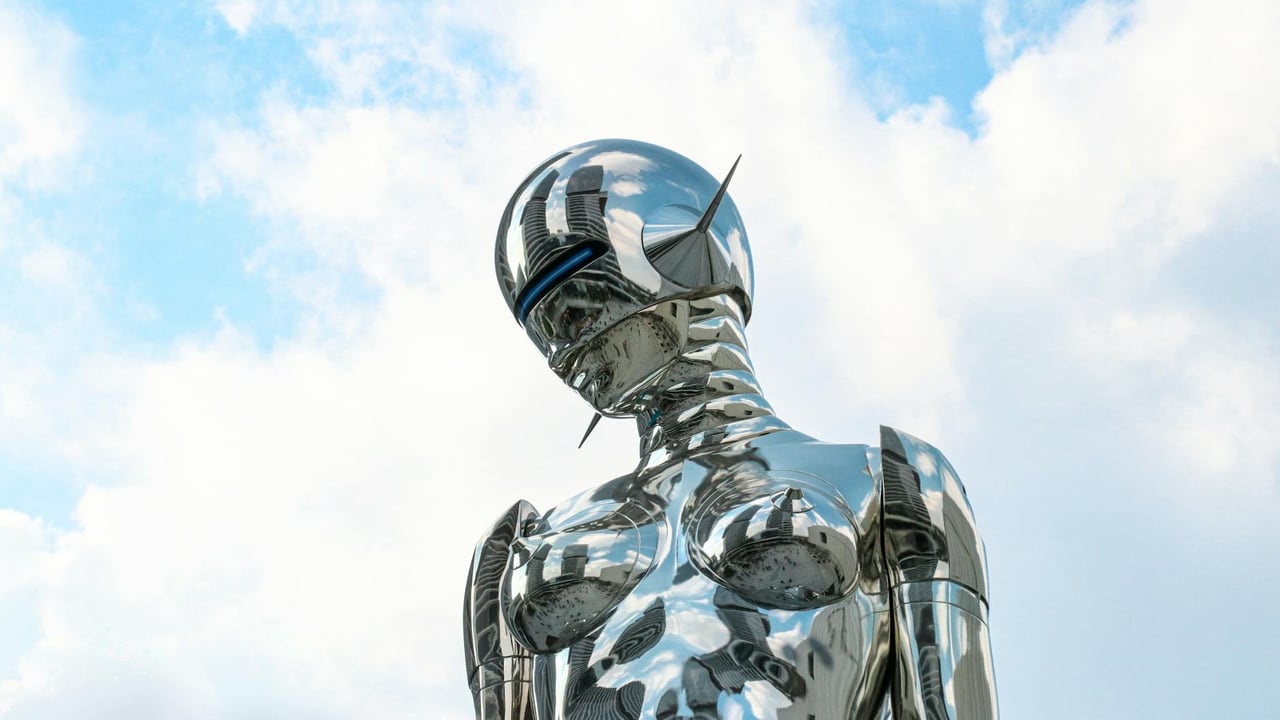
A sleek chrome robot sculpture stands against a bright blue sky background.

Key Takeaways

  • 1Douyin removed 538,000 AI-generated videos and penalized 4,000 accounts for various infringements.
  • 2A specific crackdown targeted 1,300 accounts using AI to create 'Overbearing CEO' characters to mislead elderly viewers.
  • 3The platform is prioritizing the removal of 'AI magic edits' that distort traditional Chinese literary classics with vulgar or violent content.
  • 4The actions coincide with the Cyberspace Administration of China's drafting of the 'Digital Virtual Human Information Service Management Measures.'
  • 5China's broadcast regulator has shifted its temporary AI cleanup campaign into a permanent, normalized regulatory function.

Editor's
Desk

Strategic Analysis

This crackdown illustrates the unique intersection of technological anxiety and cultural preservation in China's digital policy. While Western regulators focus largely on political deepfakes and intellectual property, Beijing is equally concerned with 'social harmony' and the preservation of its cultural canon. The focus on 'AI Overbearing CEOs' highlights a growing concern over the digital exploitation of China’s aging demographic, a group that is increasingly online but often lacks the digital literacy to distinguish between synthetic and real personas. By framing the purge as a defense of traditional values and the vulnerable, Douyin and Chinese regulators are establishing a high-control model for generative AI that prioritizes state-defined morality over decentralized innovation.

China Daily Brief Editorial
Strategic Insight
China Daily Brief

The digital landscape in China is undergoing a swift correction as Douyin, the domestic sibling of TikTok, intensifies its war against synthetic deception. On April 23, the platform announced the removal of over 538,000 videos and the penalization of more than 4,000 accounts for violating new standards on artificial intelligence. This purge targets a specific and peculiar genre of misinformation: the 'AI Overbearing CEO,' a trope designed to manipulate the emotional and financial vulnerabilities of China's elderly population.

These virtual personas often use deepfake technology to mimic wealthy, authoritative figures who engage in parasocial interactions with seniors, eventually leading to exploitative e-commerce or fraudulent schemes. Douyin’s latest enforcement report reveals that 1,300 such accounts were dismantled in a single sweep. The crackdown marks a pivot from general content moderation to a targeted defense against 'AI-enabled charisma' and its potential for social destabilization.

Beyond emotional manipulation, the platform is aggressively policing 'AI Magic Edits' of cultural icons. ByteDance-owned Douyin has removed thousands of clips that used generative AI to alter classic Chinese literature and historical dramas like 'Journey to the West' and 'Dream of the Red Chamber.' Regulators and platform censors view these modifications—which often introduce vulgarity or violence—not as creative expression, but as an affront to public morality and cultural heritage.

This corporate enforcement is a direct response to a hardening regulatory environment in Beijing. The National Radio and Television Administration recently transitioned its 'AI Magic Edit' cleanup campaign into a permanent 'normalized' phase. Simultaneously, the Cyberspace Administration of China is drafting comprehensive rules for 'Digital Virtual Humans,' signaling that the era of the unregulated digital avatar is over. For global tech giants, Douyin’s aggressive stance provides a blueprint for how state-aligned platforms will manage the risks of generative AI at scale.

Share Article

Related Articles

📰
No related articles found