
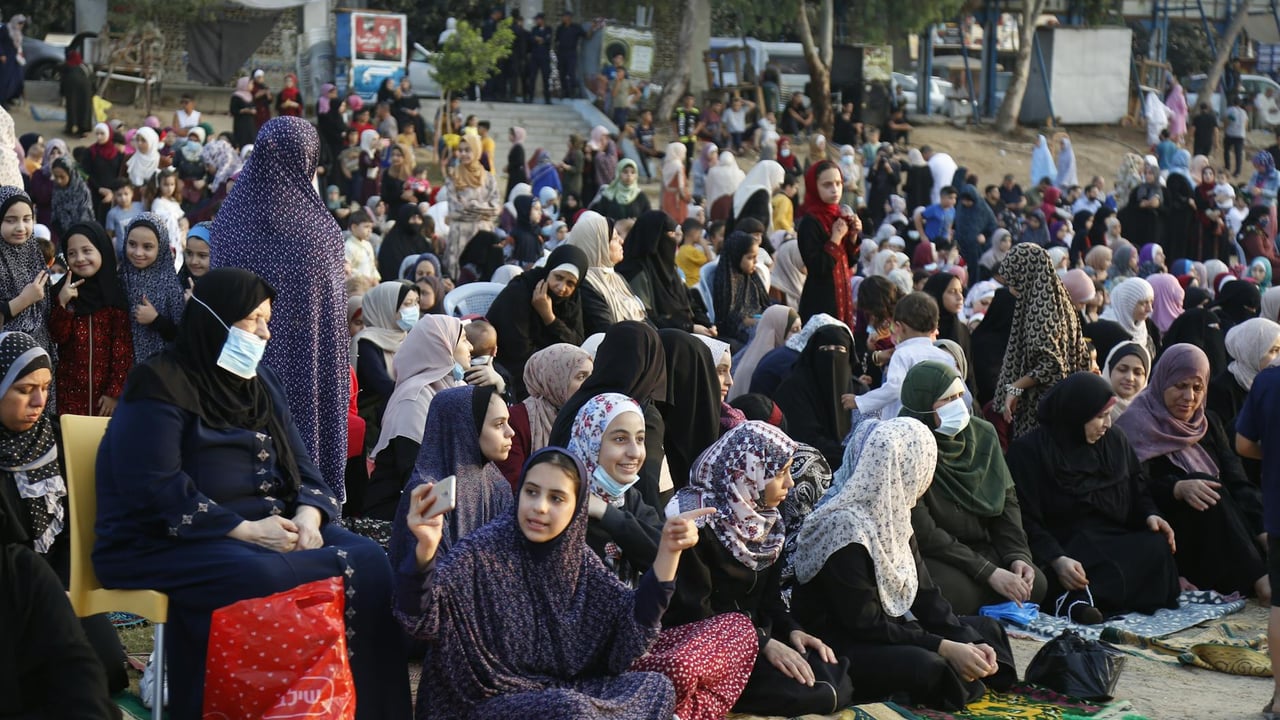

The humanitarian landscape in the Gaza Strip has reached a definitive breaking point, forcing a radical shift in the operational logic of Hamas. After months of intense conflict, the group now oversees a territory where over 90 percent of the housing is in ruins and nearly 2 million people are teetering on the edge of famine. With daily flour supplies meeting only half of the minimum requirement and infrastructure damage estimated at over $70 billion, the burden of governance has become an impossible weight for a militant organization under siege.
Faced with the total collapse of civil order and the decimation of its leadership ranks, Hamas appears to be initiating a strategic surrender of its domestic police weaponry. This move is not an admission of total defeat, but rather a calculated pivot to transfer the administrative and humanitarian burden to international committees. By relinquishing the responsibility of policing and food distribution, Hamas aims to preserve its remaining core military assets while forcing the international community to fill the governance vacuum.
Internally, the organization’s military strength has been hollowed out. Reports suggest that nearly 90 percent of its top-tier leadership has been eliminated, and its elite fighting force has dwindled from 40,000 veterans to roughly 10,000 mostly inexperienced recruits. This degradation of manpower has rendered conventional control of the strip untenable, necessitating a transition from a governing entity back into a clandestine insurgent force that can operate without the overhead of civil administration.
The success of this 'discard the chariot to save the general' strategy depends heavily on the shifting sands of regional geopolitics. Traditional lifelines from Iran, Hezbollah, and Qatar have been severely disrupted or stalled due to increased international pressure and direct military engagement. However, if Hamas can successfully offload the humanitarian crisis onto international actors, it may secure the breathing room necessary to reconstitute its elite Qassam Brigades for a future resurgence should Israeli military control eventually slacken.
Ultimately, Hamas is betting that the global community’s desperation to prevent a total famine will provide it with a shield. By positioning itself as a party willing to step back from civil governance, it seeks to unlock stalled aid and potentially regain leverage. Whether this maneuver leads to a lasting peace or merely a temporary tactical pause remains the central question for the future of the Middle East.