
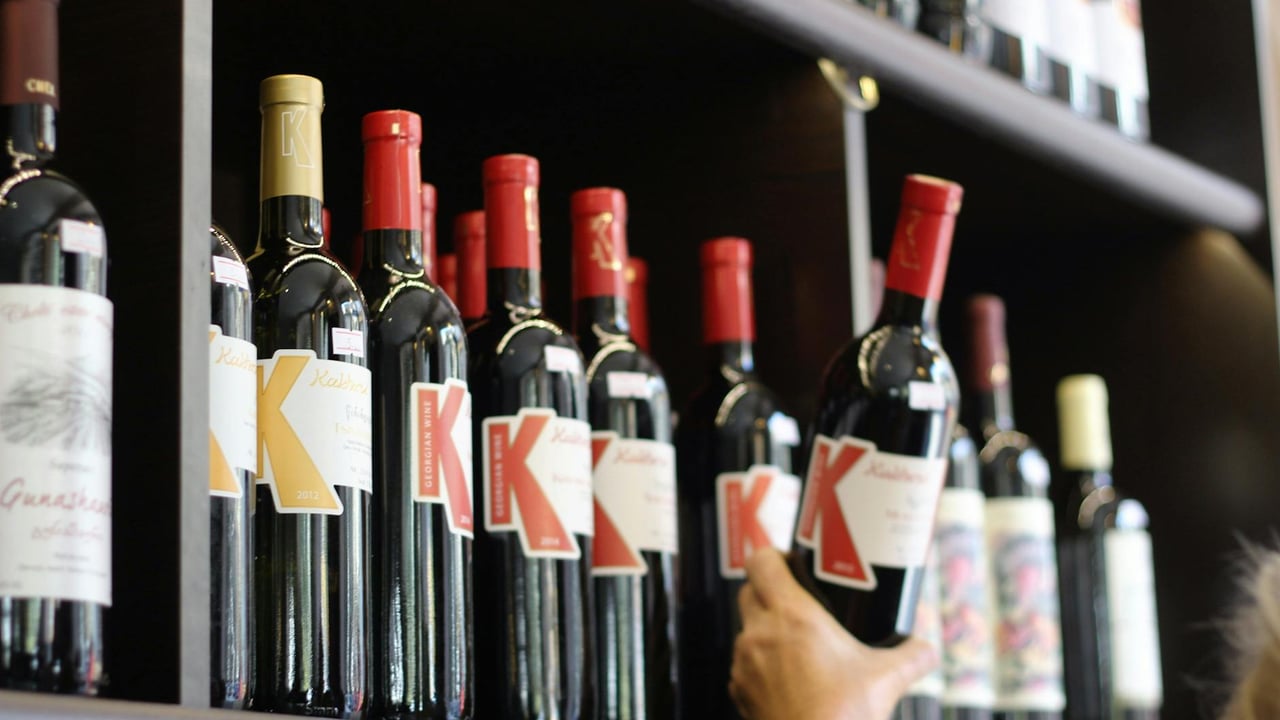

The dramatic decline of Changyu Pioneer Wine Co. is more than just a bad year for a corporate giant; it is a signal of a structural collapse in China's domestic wine market. For the first time since its listing in 2000, the company’s net profit has plummeted below the 100 million RMB threshold. This milestone marks a staggering fall for a brand that once defined the aspirations of China's rising middle class.
Changyu’s 2025 financial results paint a grim picture of a market in deep retreat. Revenue fell nearly 9% to 2.99 billion RMB, while net profit collapsed by over 76% to a mere 71 million RMB. These figures are a far cry from the company’s 2011 peak, when it commanded 6 billion RMB in revenue and enjoyed luxury-level gross margins nearing 80%.
The company’s struggles are symptomatic of a broader industry-wide contraction. Domestic wine production in 2025 has withered to just 10% of what it was a decade ago, as the sector loses its relevance to both old and new generations of drinkers. While the 'Baijiu' (white spirit) industry has successfully navigated changing tastes, wine remains stranded in a cultural limbo, unable to penetrate the core of Chinese dining habits.
Strategic pivots have largely failed to arrest the slide. After government austerity measures in 2012 cooled the premium market, Changyu attempted to dominate the mass-market mid-to-low price segments. However, these products were quickly cannibalized by high-quality, low-cost imports from Australia, Chile, and France, which offered more prestige for the same price.
In recent years, the company has doubled down on high-end chateau wines and domestic brandy in an attempt to reclaim its status. Yet, in the premium space, Chinese consumers still show a marked preference for global legacy brands like Penfolds or Lafite. Meanwhile, younger consumers are being drawn away from wine altogether by craft beers and innovative low-alcohol spirits that better suit modern social settings.
With no clear signal of a market recovery, Changyu has significantly lowered its expectations for 2026. The firm’s current predicament serves as a cautionary tale for the industry: without a fundamental shift in how wine fits into Chinese lifestyle and culinary culture, even a century-old brand cannot survive on heritage alone.