
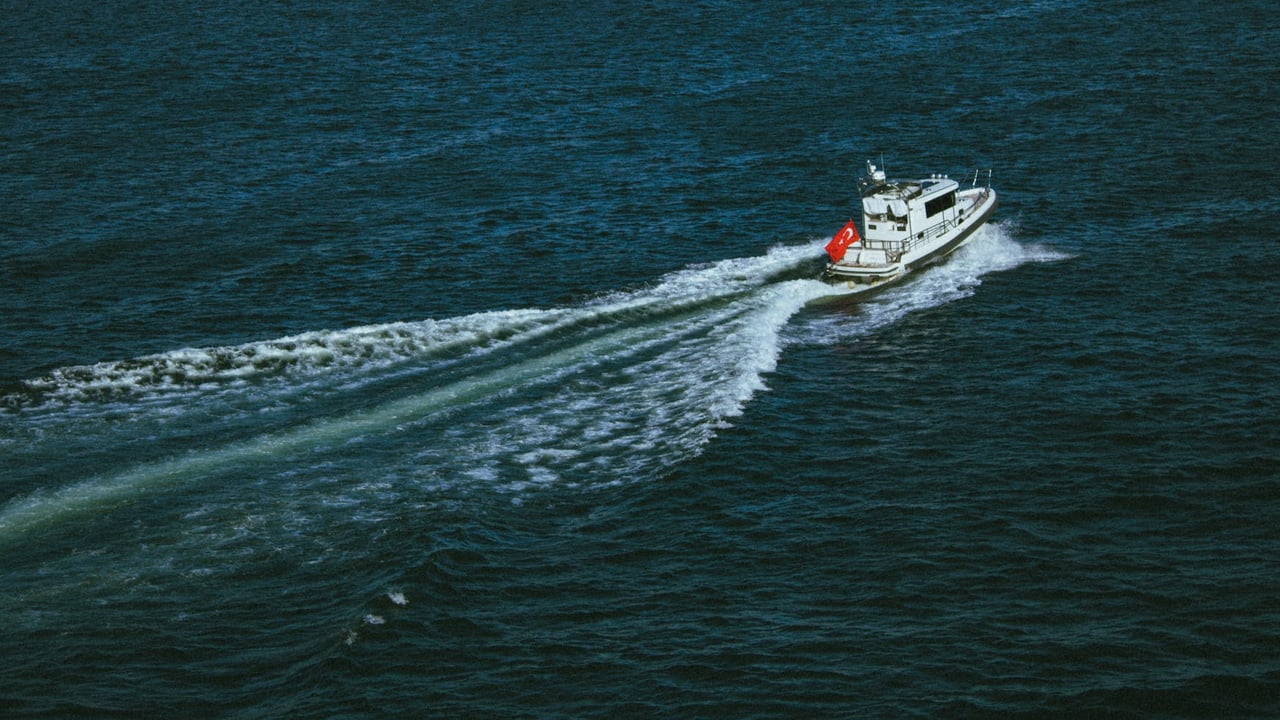

The nightmare scenario for global energy markets is no longer a theoretical exercise for military think tanks. In the narrow waters of the Strait of Hormuz, the phantom of the 1980s 'Tanker War' has returned with a modern, lethal edge. Iranian fast boats now swarm U.S. destroyers while loitering munitions and anti-ship missiles threaten the 17 million barrels of oil that transit this choke point daily.
The fuse was lit on April 19, when the USS Spruance fired upon an Iranian cargo vessel bound for Bandar Abbas, disabling its propulsion before U.S. Marines seized control. This direct kinetic engagement follows a period of excruciating diplomatic volatility. While recent ceasefires in Lebanon and Israel offered a glimmer of regional de-escalation, the maritime theater has instead become a vacuum of distrust where miscalculations are frequent and costly.
A significant diplomatic collapse occurred on April 17, when Iranian Foreign Minister Abbas Araghchi signaled a gesture of goodwill by announcing the Strait would be 'fully open' to commercial traffic. However, the overture was immediately dismantled by President Trump, who took to social media to assert that the U.S. naval blockade remained in full effect. This public rebuttal not only humiliated Iranian moderates but handed a decisive political victory to Tehran’s hardliners.
Inside Iran, the fallout has been swift. Reformist voices, who initially sought to use the Strait as a bargaining chip for sanctions relief, have been forced to retreat. Hardline outlets like Kayhan now argue that the waterway is 'non-negotiable,' asserting that any future opening must be predicated on Iranian terms and the collection of 'transit fees.' This internal alignment suggests that the Strait has transitioned from a diplomatic lever to a permanent battlefield.
The military reality in 2026 is vastly more complex than the skirmishes of the Reagan era. While the U.S. Navy is significantly smaller than it was forty years ago, Iran has perfected an asymmetric arsenal. With over 1,000 fast attack craft and a stockpile of up to 6,000 sophisticated induction mines, Tehran can effectively turn the shallow waters into a graveyard for even the most advanced Aegis-equipped warships.
Of particular concern to Western analysts is the shift toward 'contact warfare.' If the Islamic Revolutionary Guard Corps (IRGC) follows through on threats to seize American-linked tankers, the U.S. will be forced to initiate large-scale escort missions. History suggests this is a trap; during the 1980s, protected tankers often served as inadvertent shields, as the mines that could merely dent a supertanker would catastrophicially sink a smaller escort frigate.
As both sides retreat into their respective corners, the prospect of a 'non-contact' war is fading. Iranian nationalist sentiment is being stoked by historical parallels to the 17th-century expulsion of colonial powers from the region. With trust between Washington and Tehran at an all-time low, the Strait of Hormuz has become a theater where tactical maneuvers for negotiation leverage are being mistaken for terminal acts of war.