
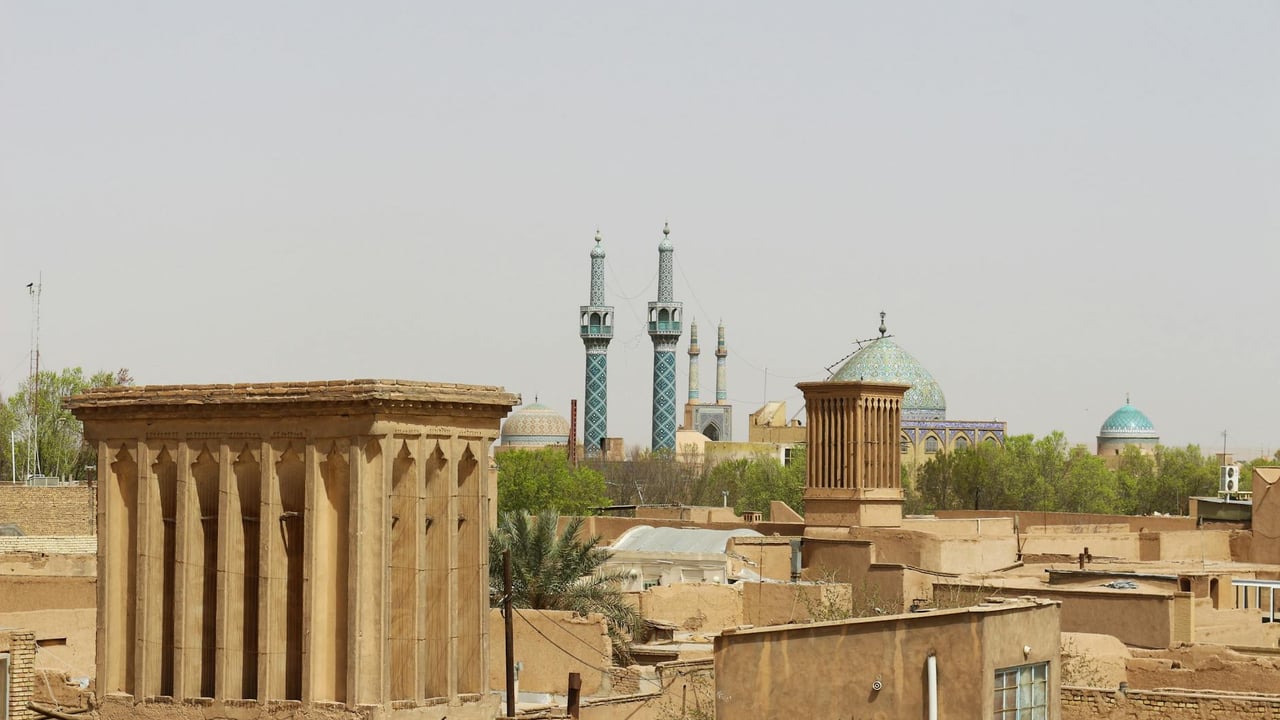

The escalating conflict between Iran, Israel, and the United States has exacted a toll that cannot be measured in military assets or personnel alone. According to the latest data from the Iranian Ministry of Cultural Heritage, Tourism and Handicrafts, 149 historical sites and museums across 20 provinces have suffered significant damage. This architectural and cultural fallout highlights a grim reality: the cradle of one of the world’s oldest civilizations is being physically eroded by modern warfare.
The breadth of the destruction is staggering, encompassing five UNESCO World Heritage sites, seven historic districts, and 54 museums. These locations represent not just Iranian identity, but the collective history of human civilization along the Silk Road and the Persian Empire. The geographical spread across 20 provinces suggests that few corners of the country have remained insulated from the kinetic reach of the ongoing regional hostilities.
Technical assessments reveal that the damage is multifaceted rather than the result of a single tactical approach. While 74 sites were compromised by the sheer force of explosion shockwaves and another 42 suffered secondary damage due to strikes on adjacent zones, most concerning are the 33 sites that were directly hit. Such data points to a narrowing of the 'safe zones' that historically protected non-military cultural assets during periods of unrest.
For Iran, the loss of these sites is a blow to its long-term economic and soft-power aspirations. The government had previously signaled a desire to bolster tourism as a means of diversifying an economy hampered by international sanctions. With its historical landscape now scarred by craters and structural instability, the path toward cultural diplomacy and economic recovery becomes even more arduous.