
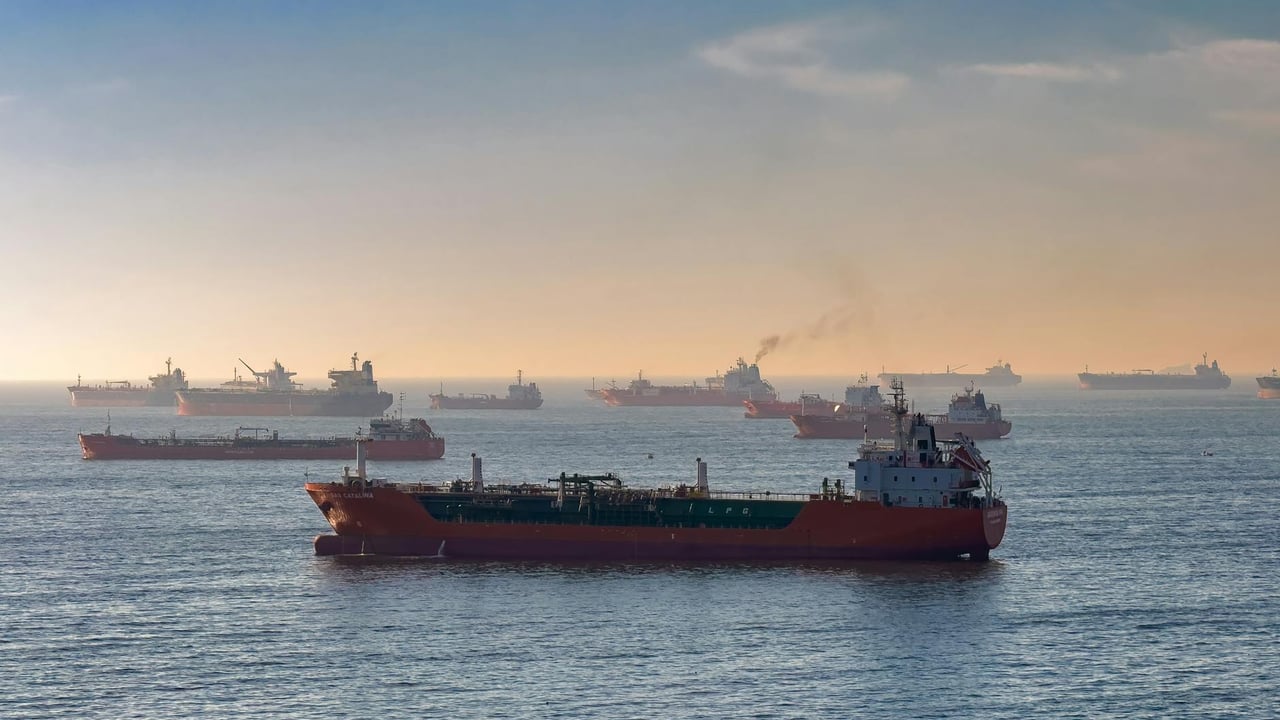

In a move that dramatically heightens the risk of a regional conflagration, U.S. Central Command (CENTCOM) has announced the implementation of what it describes as the most powerful and comprehensive military deployment in Middle Eastern history. This massive surge in naval and aerial capabilities is currently being leveraged to enforce a strict blockade of Iranian ports near the critical chokepoint of the Strait of Hormuz. The operation, which began in earnest on April 14, 2026, marks a fundamental shift from traditional freedom-of-navigation patrols to an active posture of maritime interdiction.
On April 20, the tension reached a breaking point in the Arabian Sea when U.S. forces opened fire on the 'Tuska,' a cargo vessel flying the Iranian flag. According to CENTCOM officials, the ship attempted to bypass the naval exclusion zone, prompting a kinetic response from patrolling American units. While the extent of the damage to the vessel remains unclear, the incident serves as a stark warning that the Pentagon is no longer relying solely on diplomatic pressure or economic sanctions to restrain Tehran’s maritime reach.
The scale of the operation is staggering, with CENTCOM reporting that 31 vessels have already been forced to turn back or return to port under the threat of force within just eight days of the blockade’s commencement. By positioning what it calls its 'most formidable force ever' in the region, Washington is effectively attempting to sever Iran’s primary economic artery. The move appears designed to achieve total containment, moving beyond the 'maximum pressure' campaigns of previous years into a phase of direct physical denial.
This escalation comes at a moment of extreme geopolitical fragility. By blockading the Strait of Hormuz—the transit point for a significant portion of the world's daily oil supply—the United States is betting that a show of overwhelming force will compel Iranian concessions. However, the use of live fire against commercial shipping and the sheer density of the U.S. deployment create a volatile environment where a single miscalculation could ignite a broader conflict involving regional allies and global energy markets.