
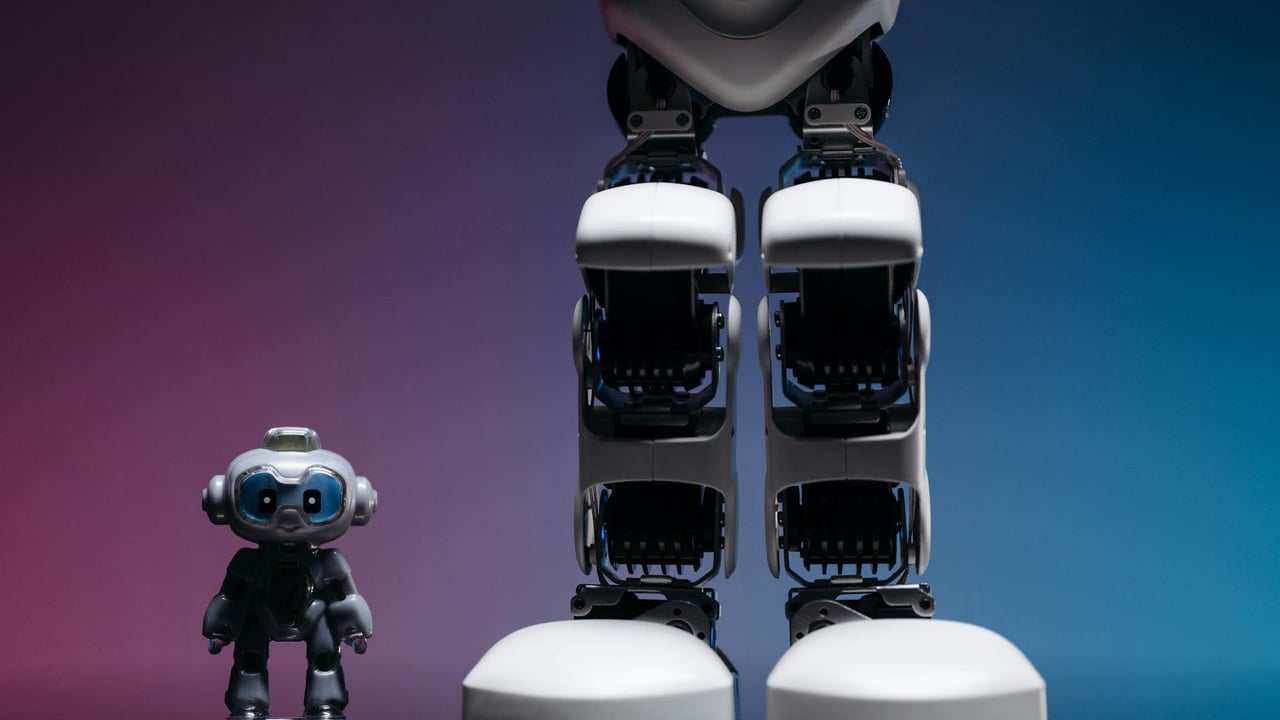

Tesla has signaled a decisive shift in its robotics ambitions, announcing that the third-generation Optimus humanoid robot (V3) is slated for a mid-2026 debut. With official production targeted for the summer of 2026 and external commercial applications expected by 2027, the electric vehicle giant is moving rapidly beyond experimental prototypes. This aggressive timeline suggests that the industry is nearing a critical inflection point, transitioning from mere technical demonstrations to large-scale industrial utility.
While competitors such as Figure AI, 1X Technologies, and China’s Unitree have made significant strides, the sector remains largely confined to small-batch testing. Tesla’s competitive edge lies in its deep vertical integration, leveraging proprietary AI chips, battery technology, and motor control systems originally developed for its automotive fleet. By applying its massive manufacturing experience, the company aims to be the first to reach an annual production scale of tens of thousands, potentially making humanoid labor economically viable for the first time.
The announcement has sent ripples through the Chinese high-tech manufacturing sector, which views 2026 as the "0 to 1" realization node for the humanoid market. Domestic analysts expect shipment volumes for leading Chinese robot manufacturers to leap from several thousand units to tens of thousands as applications expand into secondary development, facility inspection, and public guidance. This surge is creating a gold-rush environment for specialized component suppliers who are racing to meet the exacting standards of next-generation robotics.
Key players in the Chinese supply chain, including precision gear manufacturer Meihu Transmission and component specialist Zhejiang Rongtai, are already reporting successful integration with global robotics firms. These companies are positioning themselves as the backbone of a global robotics supply chain, mirroring the evolution of the smartphone and EV sectors. As the industry converges on standardized hardware and AI-driven capabilities, the competition is increasingly becoming a race of industrial scale rather than just laboratory innovation.