
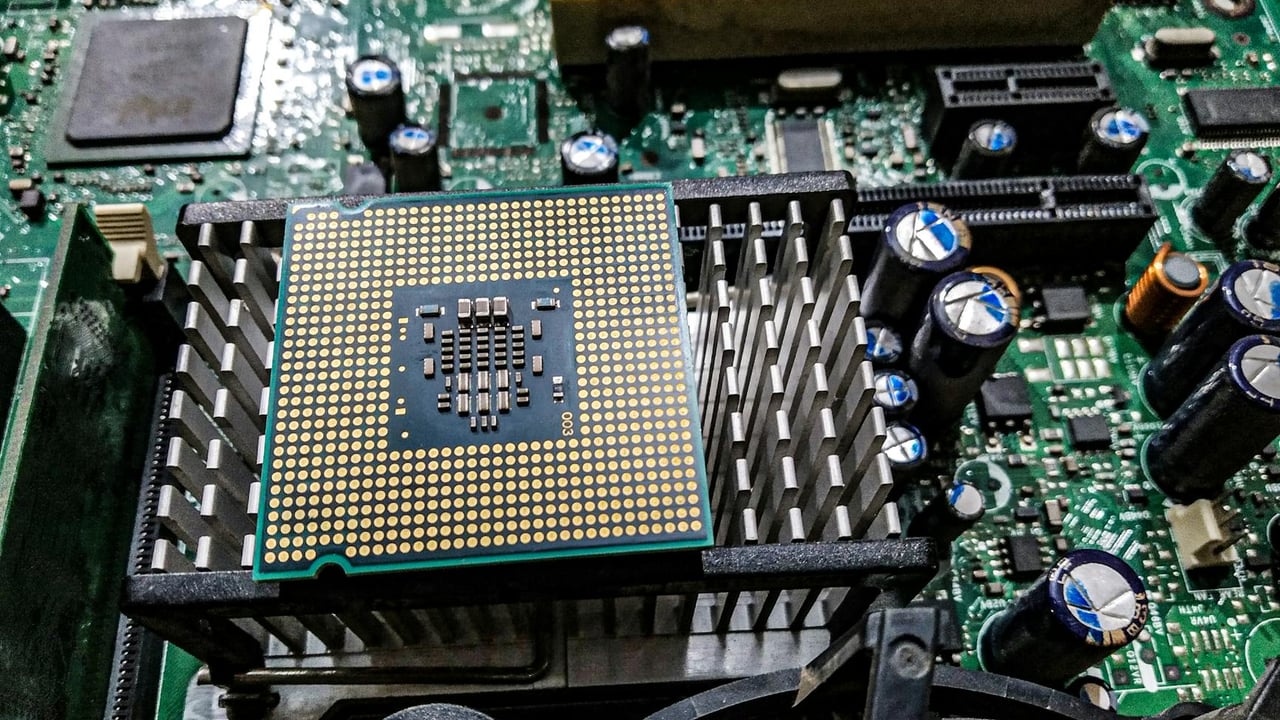

The global semiconductor market is entering a volatile new phase as primary CPU manufacturers, including Intel and AMD, prepare for a significant wave of price increases in the third quarter of 2026. Data from original design manufacturers indicates that consumer and server processor prices have already climbed between 5% and 20% since March, with further adjustments of up to 10% expected by the year's end.
This pricing surge is primarily driven by a persistent supply-demand imbalance fueled by the relentless appetite for artificial intelligence and high-performance computing. While demand for mid-to-low-end consumer electronics remains soft, the rigid necessity of server hardware is allowing dominant players to exert unprecedented pricing power, effectively passing increased manufacturing and R&D costs down the supply chain.
Against this backdrop of rising hardware costs, Tesla is doubling down on its vision for the future of automation by announcing the mid-2026 debut of its third-generation humanoid robot. The company aims to initiate formal production by July 2026, with plans to deploy the machines in real-world industrial and logistics environments by the following year, representing a critical test for Elon Musk's goal of making robotics a larger business than automotive.
In China, the technological landscape shows signs of infrastructure maturity as 5G penetration reaches a staggering 68.3%, covering over 1.25 billion users. However, total telecom revenue has seen a slight year-on-year dip of 1.8%, suggesting that the era of rapid subscriber growth has ended. The focus for Chinese operators must now shift from building network pipelines to providing the high-level computing power required by the next generation of AI and robotic applications.