
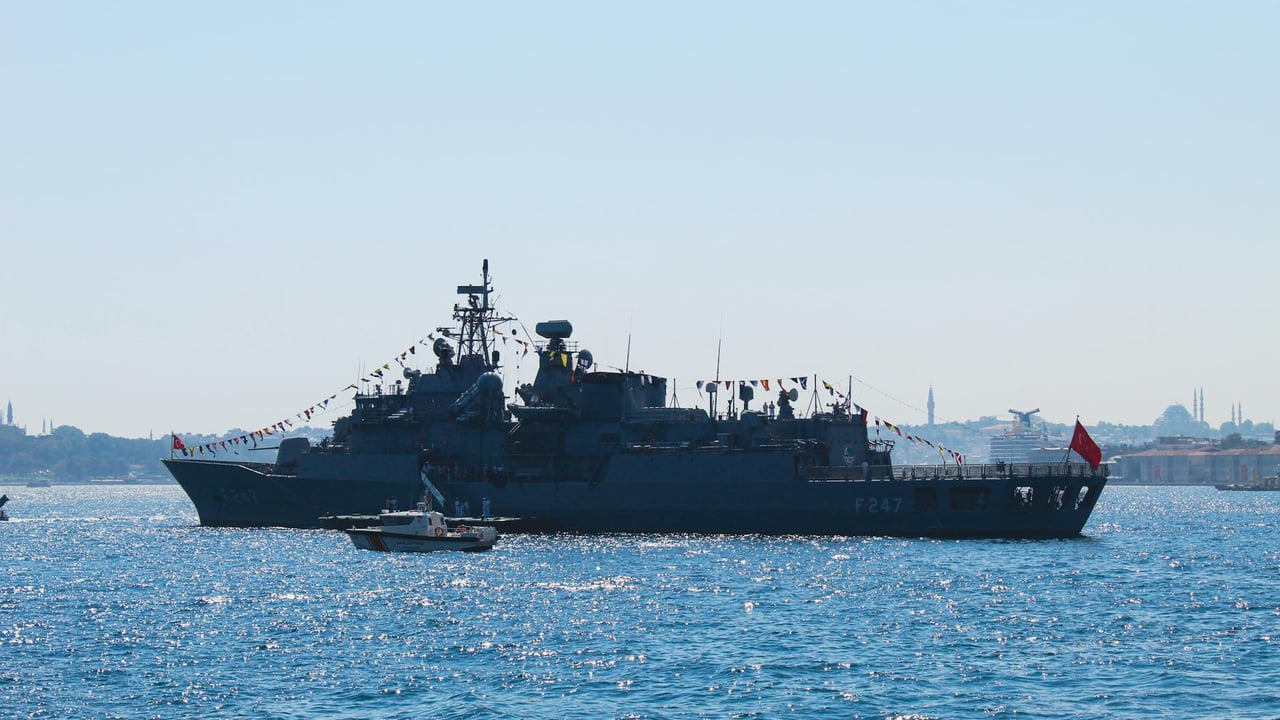

In a move that signals a return to a high-stakes, maximalist posture in the Middle East, Donald Trump has issued a direct ultimatum regarding the security of the Strait of Hormuz. Through his social media platform, the administration has mandated the U.S. Navy to open fire on and sink any vessel caught laying mines in these volatile waters. The directive emphasizes a total lack of hesitation, effectively shortening the chain of command for kinetic engagement in one of the world's most sensitive maritime corridors.
The order is not limited to offensive posture alone; it is accompanied by a massive expansion of defensive operations. Current minesweeping activities in the Gulf are to be intensified immediately, with instructions to triple the current scale and frequency of these operations. This two-pronged approach—aggressive deterrence coupled with robust clearing efforts—aims to project an image of absolute control over the passage that serves as the jugular of the global energy trade.
The Strait of Hormuz remains the most critical oil chokepoint on the planet, with approximately one-fifth of the world's liquid petroleum consumption passing through it daily. Any disruption to this flow, whether through physical blockage or the threat of maritime mines, typically triggers immediate volatility in global crude prices. By lowering the threshold for lethal force, the administration is attempting to eliminate the ambiguity that often surrounds asymmetric naval warfare in the region.
While the directive applies broadly to any vessel engaged in mining activities, it is clearly aimed at deterring regional actors known for utilizing small-boat tactics and underwater sabotage. By publicly declaring a 'shoot-to-sink' policy, Washington is betting that the credible threat of immediate destruction will prevent the placement of mines before they can even be deployed. However, the move also significantly raises the risk of a miscalculation or a localized skirmish spiraling into a broader regional confrontation.