
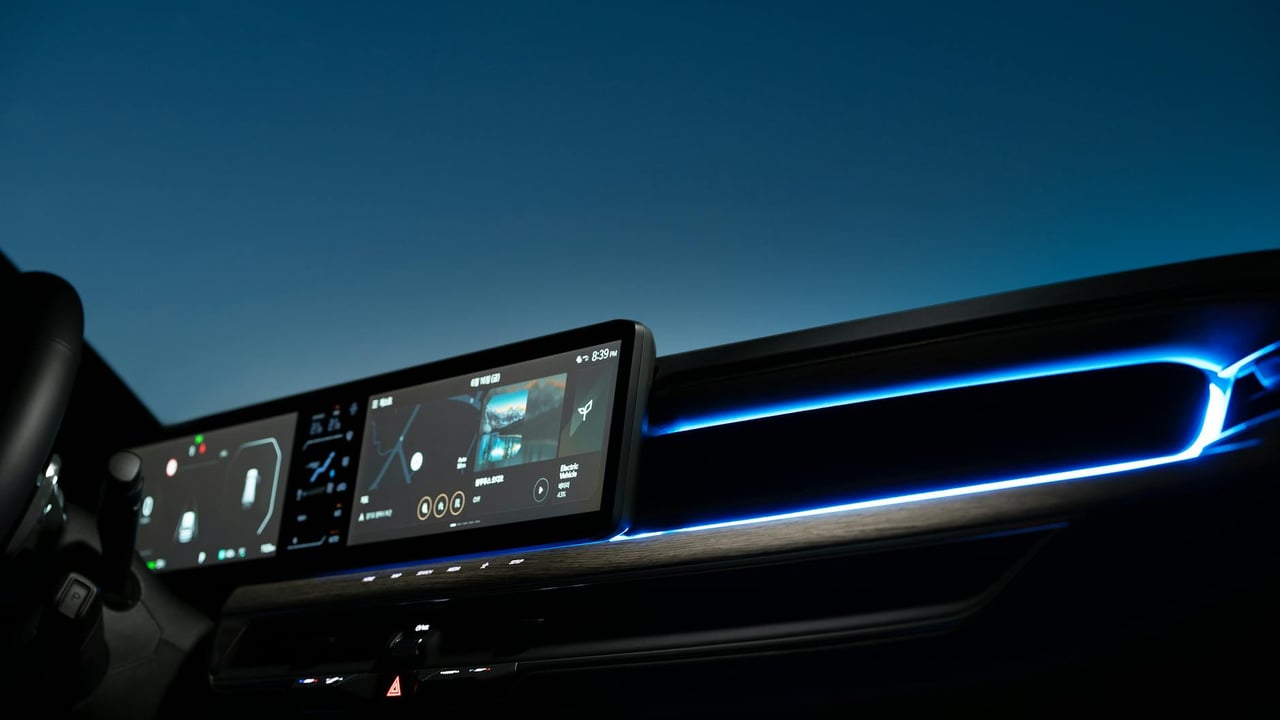

The 2026 Beijing Auto Show has emerged as the definitive theater for the global intelligent vehicle race, where the focus has shifted from battery range to the processing power of the digital cabin. In a high-profile demonstration of this transition, MeiG Smart, a leading provider of cellular modules and IoT solutions, unveiled its next-generation central computing architecture. This launch, anchored by the SRM949 5G AI module, signals a significant leap in how vehicle manufacturers approach the 'software-defined' car.
Developed in close collaboration with Qualcomm, the new suite of modules—including the QCM6650, QCM8538, and QCM8838 platforms—represents a strategic effort to consolidate vehicle functions. Historically, cars relied on dozens of separate Electronic Control Units (ECUs) to manage disparate functions. MeiG’s latest offering seeks to replace this fragmented approach with a centralized 'intelligent base,' capable of managing everything from 360-degree surround-view systems to complex driver monitoring (DMS) and infotainment displays simultaneously.
The technical specifications of the SRM949 module highlight the intensifying hardware arms race in the automotive sector. Boasting 6 TOPS of AI computing power and a GPU capacity of 1.0 TFLOPS, the module is designed to support the forthcoming Android 16 operating system. By meeting the rigorous AEC-Q104 automotive grade standards, MeiG is positioning itself as a critical intermediary that can help traditional and emerging EV makers integrate Qualcomm’s high-performance silicon into mass-market vehicles.
This development comes at a time when Chinese domestic players like Huawei and Horizon Robotics are also flooding the market with competitive smart cockpit and autonomous driving solutions. The speed at which MeiG and Qualcomm have moved to iterate on these modules suggests that the window for achieving a dominant position in the digital ecosystem of the car is narrowing. For global observers, this launch is more than a technical update; it is a preview of a future where the driving experience is dictated more by silicon architecture than by mechanical engineering.