
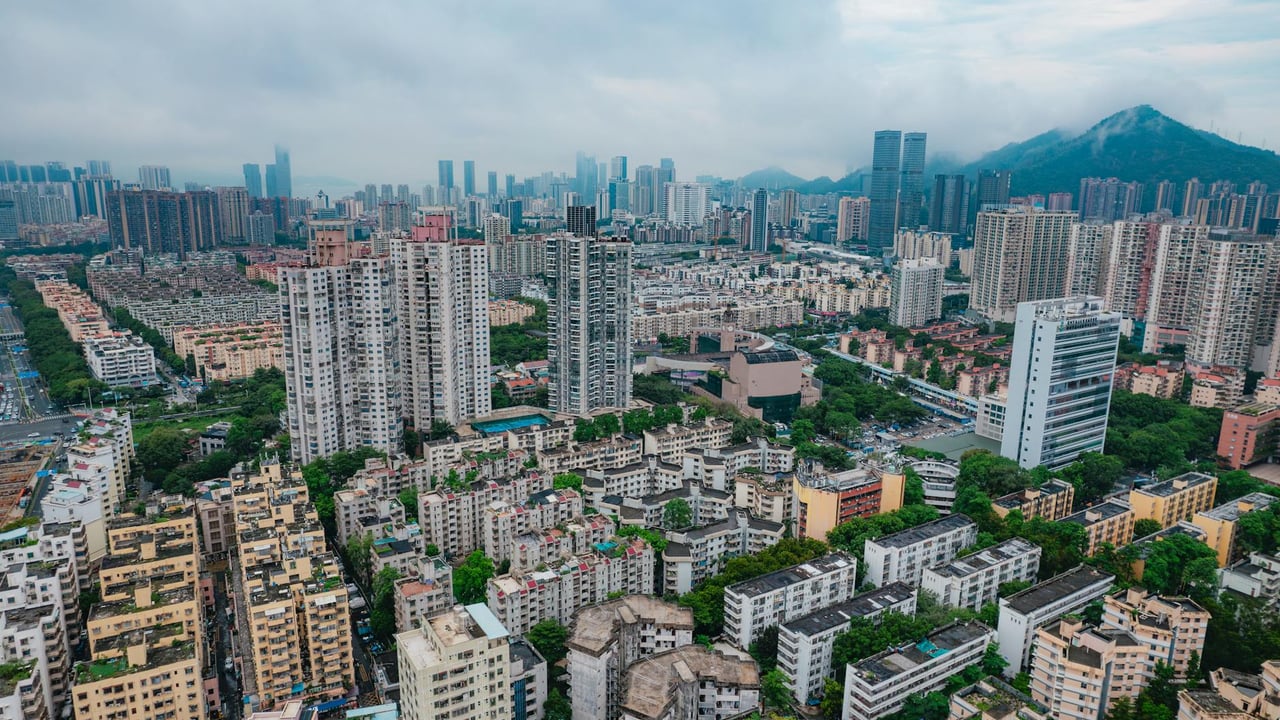

China’s demographic contraction has reached a critical inflection point as 24 out of 31 provinces and regions now report shrinking populations. While the 'Northeastization' of China’s demographics was once confined to the industrial Rust Belt, the latest data for 2025 reveals that the crisis has moved into the nation’s agricultural and manufacturing heartlands. For the first time, only seven regions—led by the economic powerhouse of Guangdong—recorded any growth at all.
The epicenter of this decline has shifted from the northern borders to the Central provinces. Hunan, Henan, and Anhui are witnessing a staggering collapse in population figures, driven by a lethal combination of natural decline and massive outward migration. Hunan alone saw a reduction of 470,000 people in a single year, while the traditional population hub of Henan continues to hemorrhage residents as young workers seek opportunities on the coast.
At the root of the crisis is a birth rate that has finally plunged below the psychological threshold of 8 million. With only 7.92 million newborns nationwide, the figures mirror record-low marriage rates and reflect a deep-seated cultural shift among China’s youth. Skyrocketing living costs, the financial burden of child-rearing, and stagnant wage growth have rendered the traditional family model increasingly unattainable for the urban middle class.
Conversely, Guangdong continues to defy the national trend, solidifying its status as an 'internal superpower' within China. Boasting an actual managed population of 165 million and an industrial output that accounts for an eighth of the national total, the province acts as a demographic vacuum. By concentrating high-tech manufacturing and digital economy clusters, Guangdong is successfully draining the labor pools of the interior, further widening the wealth and vitality gap between the coast and the hinterland.