

President Donald Trump has doubled down on his strategy of 'maximum pressure' transitioned into active conflict, insisting that time is the United States' most potent weapon against Tehran. Amidst a grinding military campaign that has reportedly crippled much of Iran’s infrastructure, the President maintains a posture of supreme confidence, dismissing any urgency to reach a settlement. This rhetoric suggests a belief that the status quo favors American interests while systematically exhausting Iranian reserves.
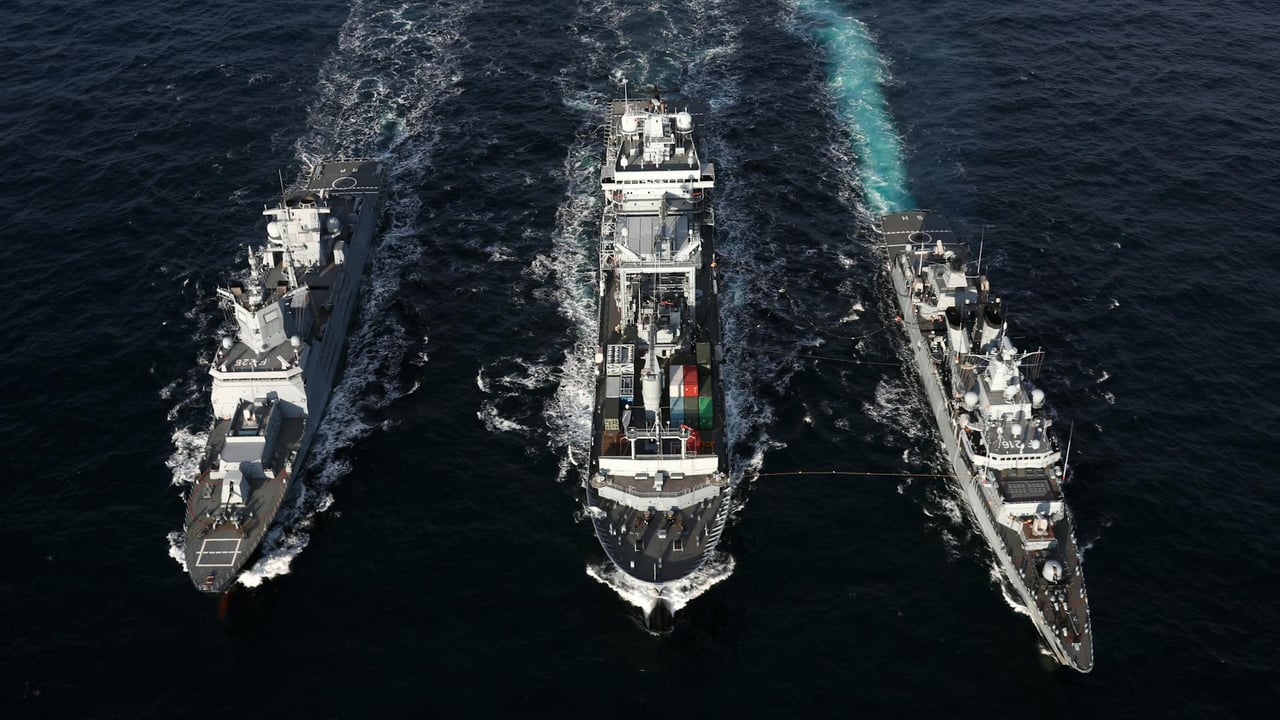
Central to the administration’s calculus is the ongoing naval blockade, which has strangled Iran’s oil exports and brought its energy-dependent economy to the precipice of collapse. By claiming that 75% of military targets have already been neutralized, the President is signaling to both domestic critics and international adversaries that the current stalemate is a controlled demolition of Iranian power. He emphasizes that while the U.S. can sustain this posture indefinitely, the Iranian regime is facing an existential clock.
The President’s rhetoric now focuses on a 'permanent' solution, a significant departure from the transactional nature of past diplomatic frameworks. This demand for a definitive, ironclad end to Iran’s nuclear ambitions is framed as a strategic necessity, even as the humanitarian and geopolitical costs of the conflict mount. By refusing to set a timeline for peace, the White House aims to deprive Tehran of any leverage it might gain from waiting out the current U.S. political cycle.
Domestically, the President is fighting a parallel war against a skeptical media and political opponents who suggest he is desperate for a diplomatic victory ahead of the 2026 midterm elections. By asserting he has 'all the time in the world,' he seeks to insulate his foreign policy from the volatility of American domestic politics. This narrative of 'winning' is designed to project strength to his base while portraying his detractors as complicit in a narrative of national weakness.