
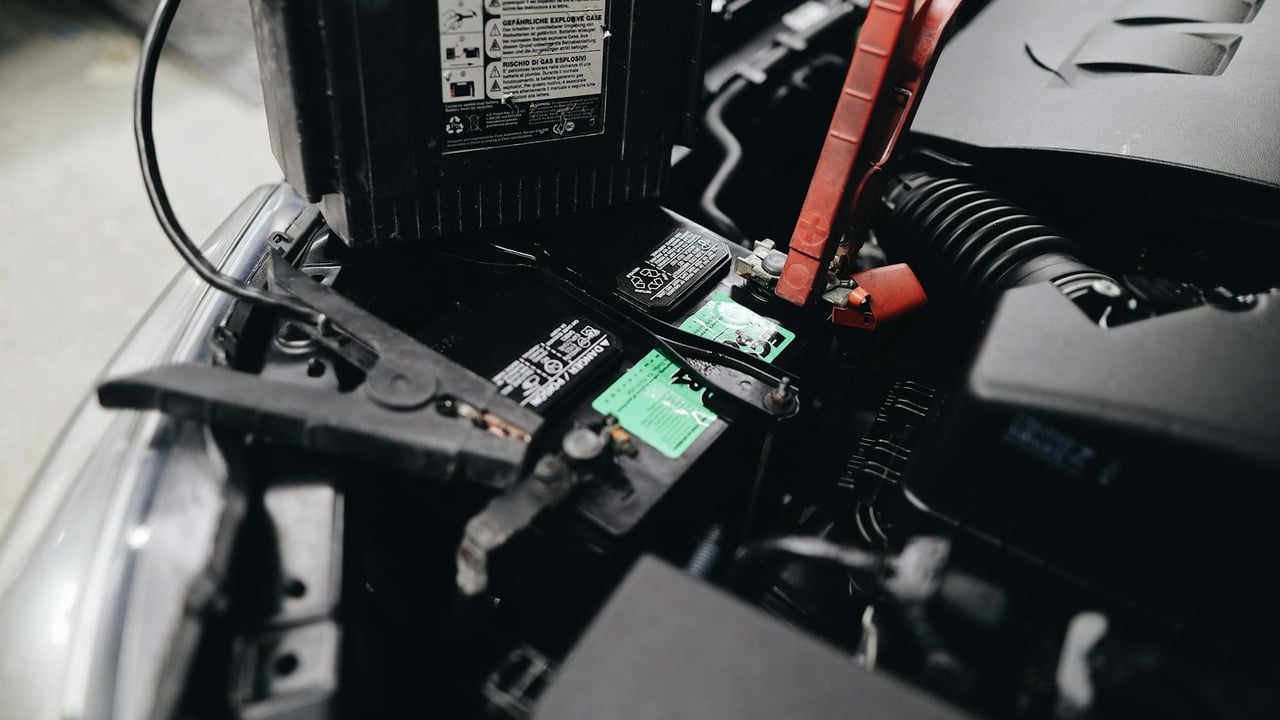

At the Beijing Auto Show, German engineering giant Bosch and Chinese automaker Chery announced a strategic partnership to co-develop 48-volt (48V) vehicle system solutions. This collaboration marks a significant move to modernize the internal combustion engine (ICE) architecture by scaling mild-hybrid technology for the Chinese market. By transitioning from the traditional 12-volt electrical system to a more robust 48-volt grid, the partners aim to deliver higher power capacity and improved fuel efficiency without the prohibitive costs associated with full battery electrification.
The 48V system acts as a crucial middle ground in the global automotive shift toward sustainability. It allows for advanced energy recovery during braking and provides the necessary voltage to power high-drain electronic components, such as sophisticated infotainment systems and active safety sensors. For Chery, this technology offers a pragmatic path to meeting increasingly stringent carbon emission standards while maintaining a competitive price point for a consumer base that remains cautious about pure electric vehicle (BEV) infrastructure.
Beyond power systems, Bosch showcased a suite of 'intelligent' automotive technologies at the event, including Level 3 autonomous driving solutions and a next-generation smart cockpit. This broader portfolio suggests that Bosch is positioning itself as an indispensable partner for Chinese OEMs who are racing to define the 'software-defined vehicle.' By integrating these smart features into the 48V framework, the Bosch-Chery alliance is effectively attempting to narrow the technological gap between traditional fuel vehicles and high-end EVs.
This partnership also highlights a broader trend in the Chinese automotive landscape: the pursuit of 'oil-electricity equality.' While BEVs dominate headlines, a significant portion of the market continues to demand hybridized options. By pushing for mass production of these 48V systems in China, Bosch is leveraging its global technical expertise to help local champions like Chery defend their market share against both domestic EV startups and international rivals.