

The Strait of Hormuz has once again become a volatile theater of escalation as Iranian commandos seized two commercial vessels, the MSC Francesca and the Epaminondas, in a highly publicized maritime operation. Iranian state media released cinematic footage showing masked strike teams boarding the ships via fast boats, a move Tehran justifies as a response to unauthorized transit through the strategic waterway. One vessel is reportedly linked to Israeli interests, while the other is operated by the Danish shipping giant Maersk, heightening the international stakes of the confrontation.
In Washington, President Donald Trump responded with characteristic bluntness, signaling a shift toward direct kinetic engagement. Declaring that Iranian 'small boats' pose a manageable threat, the President issued orders to the U.S. Navy to 'fire upon and sink' any Iranian vessels caught laying mines in the Strait. The administration has coupled this tactical threat with a broader strategic ultimatum, suggesting that a 'military solution' remains on the table if Tehran continues to resist a new round of diplomatic negotiations.
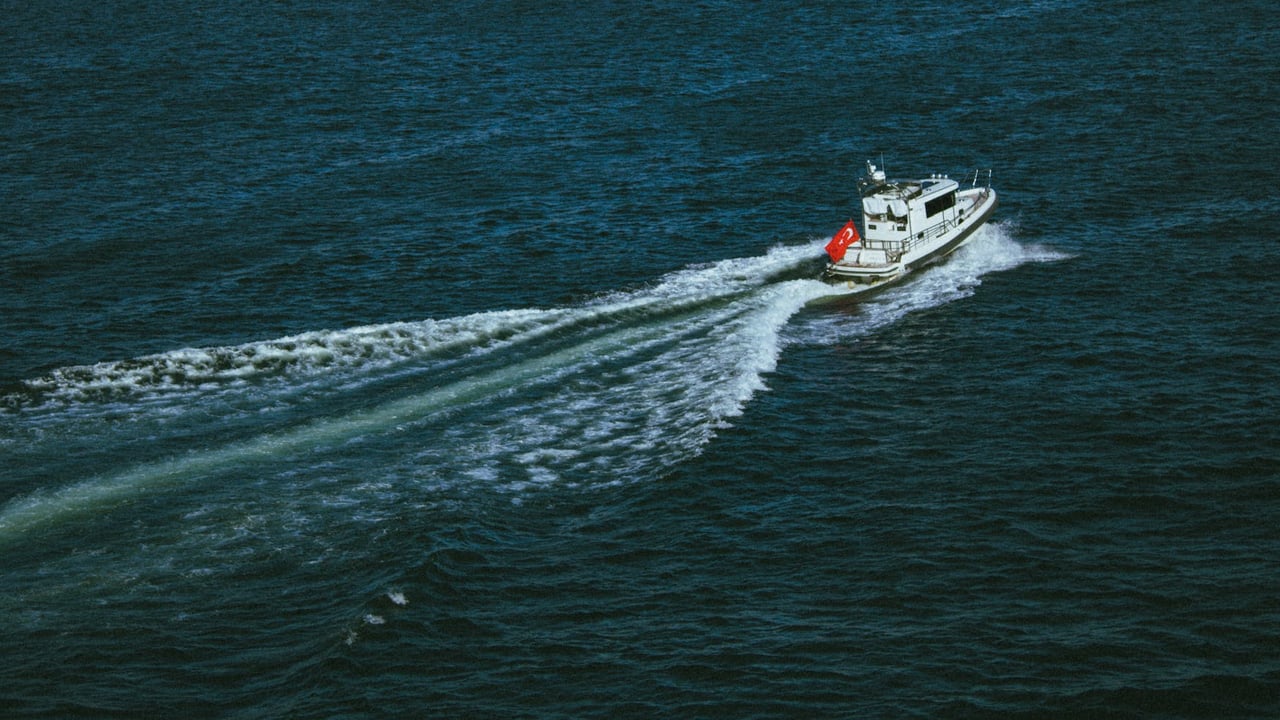
The use of fast boats represents the cornerstone of Iran’s asymmetric naval doctrine, designed to harass larger warships and disrupt shipping through 'hit-and-run' tactics. While these vessels are difficult to track when hidden in coastal tunnels, maritime experts note that they remain extremely vulnerable to direct fire from modern naval assets. Furthermore, upcoming seasonal weather patterns in the Gulf, characterized by high winds and heavy swells, may soon degrade the operational capacity of these low-tonnage Iranian craft.
The Pentagon is backing this rhetoric with a massive display of maritime power. The arrival of the USS George H.W. Bush carrier strike group in the Indian Ocean brings the U.S. presence in the region to three aircraft carriers, alongside the USS Gerald R. Ford and the USS Abraham Lincoln. This rare 'three-carrier' posture in the Middle East indicates that the United States is preparing for a sustained high-intensity conflict should the current maritime skirmishes spiral into a full-scale blockade or regional war.