
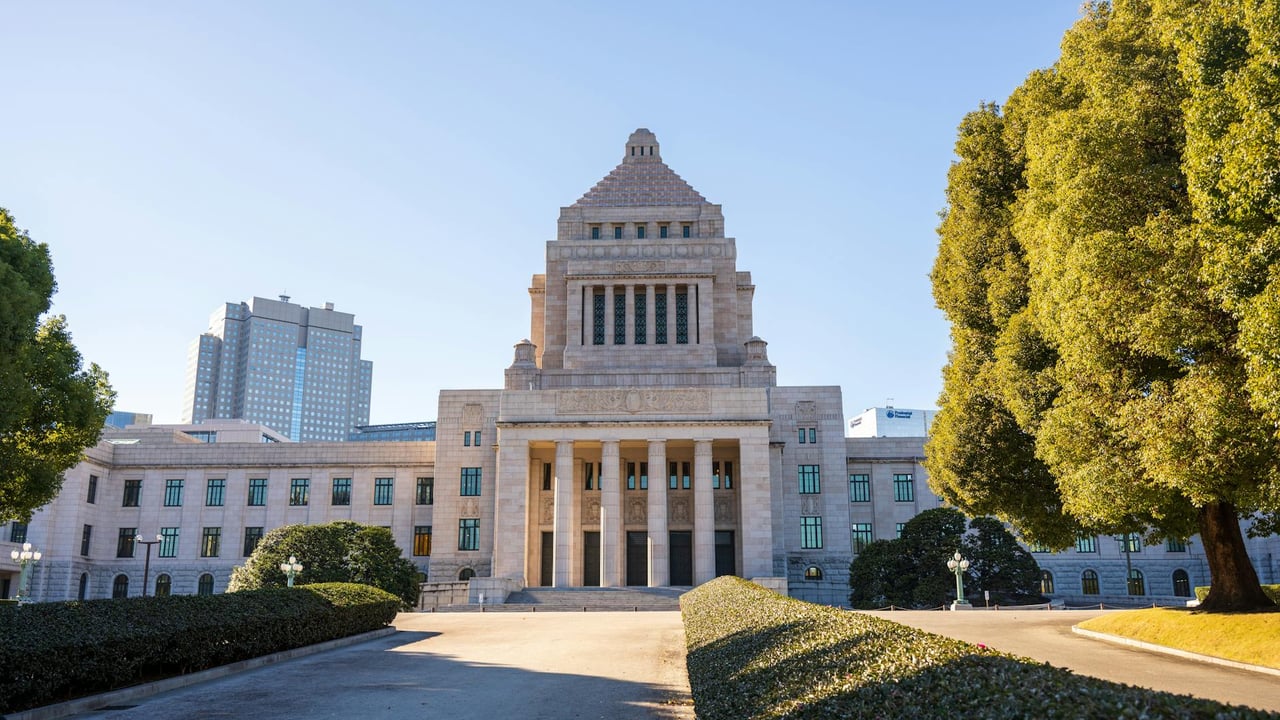

The Japanese House of Representatives has passed a landmark bill to establish a National Intelligence Council and a National Intelligence Agency, marking a decisive shift in the nation's security architecture. Pushed by the government of Prime Minister Sanae Takaichi, this overhaul represents Japan’s first attempt at a unified, state-level intelligence architecture since the end of World War II. The move is designed to streamline a traditionally fragmented system and place it under the direct control of the Prime Minister’s Office.
The new structure moves away from the post-war model where intelligence was siloed within the Foreign Ministry, Defense Ministry, and National Police Agency. By centralizing power within the Kantei, the Takaichi administration seeks to consolidate control over both strategic security operations and the domestic information environment. This centralized command is intended to oversee counter-terrorism, foreign espionage, and broader national security interests.
Critics and regional observers have been quick to draw parallels between this new apparatus and the infamous "Tokko," or Special Higher Police, of the Imperial era. Known for suppressing social movements and enforcing ideological conformity during the early 20th century, the Tokko remains a potent symbol of pre-war state control. Many fear that the current reforms, framed as necessary for national defense, may lead to the surveillance of Japanese citizens and the suppression of liberal dissent.
Domestically, the government is reportedly preparing a specialized unit within the National Intelligence Agency to monitor and counter "false information" on social media. While the official justification focuses on preventing foreign election interference, civil libertarians argue this could easily become a tool for the Takaichi administration to manipulate public opinion. There are concerns that the government will use these powers to manufacture a mandate for the controversial revision of Japan's pacifist constitution.
On the military front, the intelligence centralization coincides with a significant restructuring of the Self-Defense Forces, including the creation of new "Information Operations Groups" in both the sea and land forces. These units are designed to provide the granular intelligence necessary for Japan to exercise its newly acquired "counter-strike" capabilities. The ability to hit enemy bases requires a level of intelligence gathering that was previously unnecessary under a strictly defensive posture.
This shift signifies a decisive break from Japan's long-standing "exclusive defense" (senshu boei) principle. By integrating civilian and military intelligence with offensive military hardware, Tokyo is signaling its transition toward a more proactive security role in the Indo-Pacific. For neighboring countries, particularly China and Russia, this represents a concerning revival of Japan's pre-war geopolitical ambitions under the guise of modernizing state functions.