
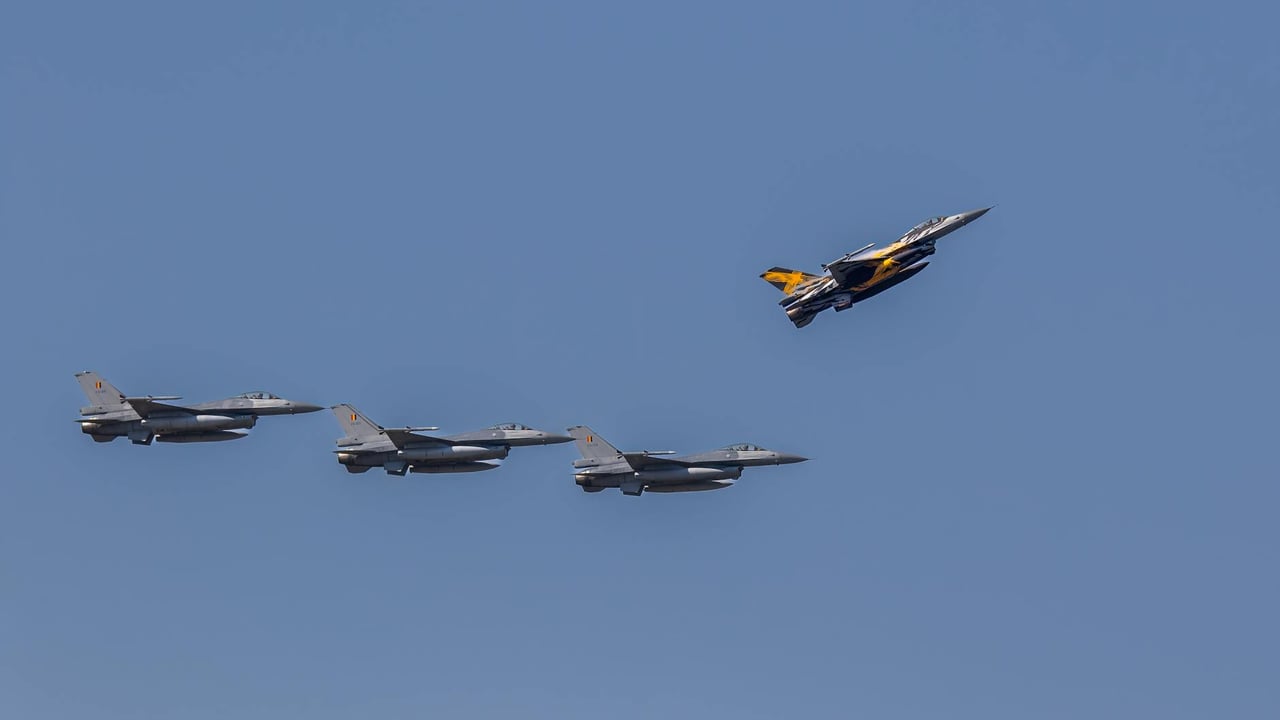

Peruvian President Balcázar has formally announced that his administration will not proceed with the procurement of American-made F-16 fighter jets, effectively halting one of the region's most anticipated defense deals. The decision, articulated during a recent address, underscores a strategic pivot toward fiscal conservatism as Lima grapples with competing domestic priorities. By citing the "huge financial burden" such a purchase would impose, the President has signaled that the modernization of the Peruvian Air Force must wait until the national treasury is on firmer footing.
This move places the responsibility for Peru's long-term aerial defense strategy squarely on the shoulders of the succeeding administration. While the F-16 is often viewed as the gold standard for multi-role combat aircraft in the Western Hemisphere, its high lifecycle costs and the sophisticated infrastructure required for its operation appear to have outweighed the perceived security benefits. For the Balcázar government, the immediate need for social and infrastructure investment has taken precedence over the geopolitical prestige of operating a high-end U.S. defense platform.
The deferral highlights a broader challenge facing U.S. defense exports in Latin America, where economic volatility often disrupts long-term military planning. While the Peruvian Air Force's aging fleet remains in need of replacement, the current political climate favors a cautious approach to large-scale international debt. By leaving the contract open for the next government, Balcázar avoids committing his legacy to a controversial expenditure while keeping the door ajar for future competition among global aerospace contractors.