
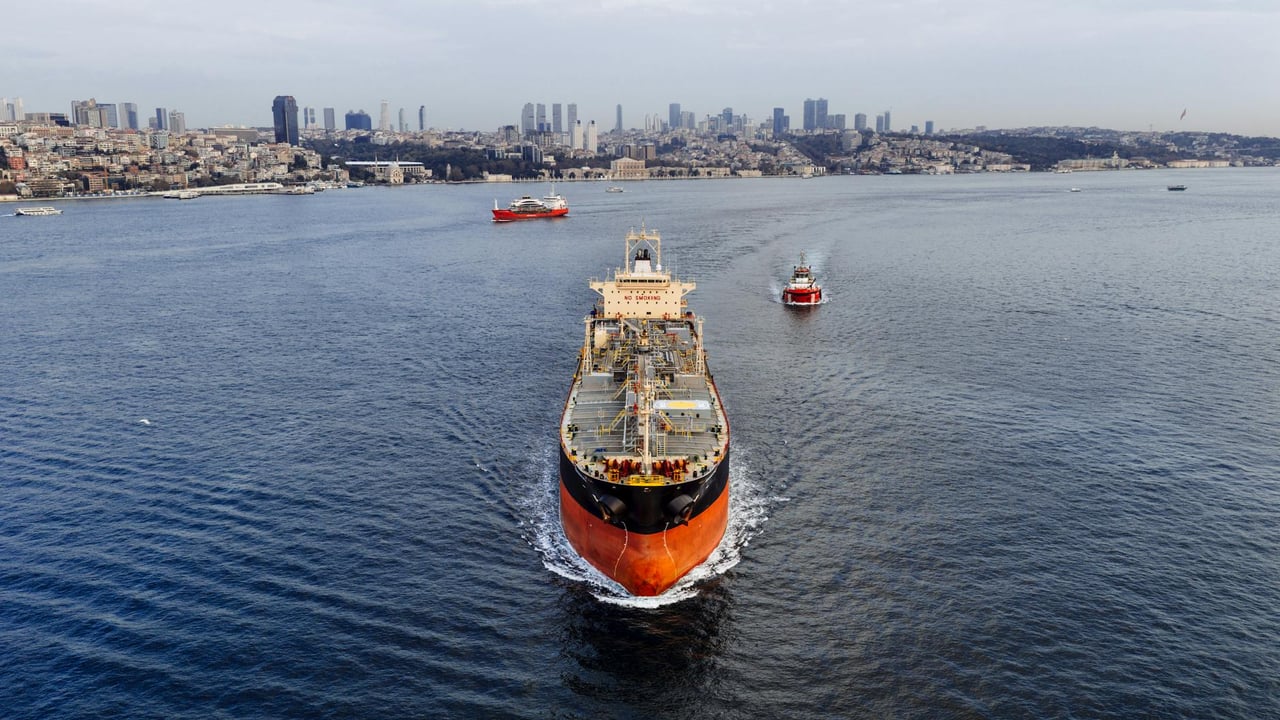

The deployment of the USS George H.W. Bush nuclear-powered aircraft carrier to the Middle East signals a transition from diplomatic posturing to active military readiness in the world’s most sensitive maritime chokepoint. As the Strait of Hormuz becomes the center of a high-stakes standoff, the global energy market and regional security hang in a precarious balance. The move follows a breakdown in negotiations, which mediators now describe as a complete deadlock.
President Trump has escalated the rhetoric by declaring a total blockade of the Strait, asserting that no vessel may pass without U.S. naval approval until a new agreement is reached. This claim of total control over international waters challenges established maritime norms and sets a direct collision course with Tehran. By authorizing the U.S. Navy to sink any vessels attempting to lay mines, the administration is drawing a hard red line intended to neutralize Iran’s primary asymmetric naval tactic.
Tehran has responded by pivoting its diplomatic strategy and hardening its military posture. The Iranian Foreign Ministry now insists that the focus of any future talks must shift from nuclear enrichment to a comprehensive and permanent end to hostilities. This shift suggests that Iran views the current economic and military pressure as an existential threat, necessitating a broader security guarantee rather than a narrow technical agreement. Simultaneously, the activation of air defenses over Tehran indicates a capital city bracing for potential strikes.
Regional allies are also signaling their readiness for an expanded conflict. Israeli Defense Minister Katz has explicitly stated that the Israel Defense Forces are prepared to resume military operations against Iranian interests, pending a green light from Washington. This alignment suggests a coordinated pressure campaign designed to force a capitulation, even as Iran demonstrates its ability to circumvent the blockade with tankers successfully reaching domestic waters.
Economic warfare has entered a new, more transactional phase as Iran begins collecting transit fees from commercial vessels in hard currency. This move is a brazen assertion of sovereignty over the waterway and a direct challenge to the U.S.-led financial sanctions regime. As both sides harden their positions, the risk of a miscalculation or a localized skirmish spiraling into a regional conflagration has reached its highest point in years.