
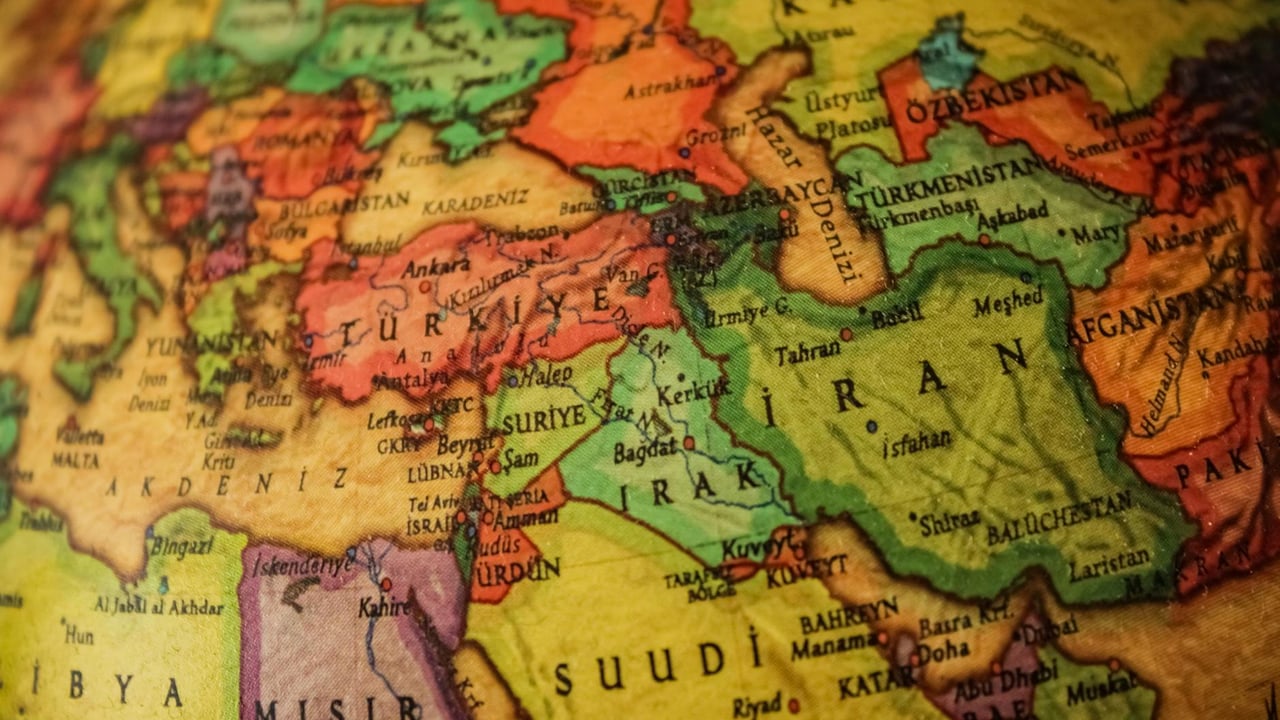

The Middle East stands at a precarious crossroads as the regional security architecture faces its most severe stress test in decades. While the cycle of provocation and retaliation has long been a feature of the geopolitical landscape, current indicators suggest a shift from managed friction toward an unpredictable 'critical point' of escalation. Central to this volatility is the recalibration of power dynamics involving Iran and its regional adversaries, a situation that threatens to collapse the fragile status quo.
Observers are increasingly concerned that traditional diplomatic safety valves are failing to contain the friction. As Tehran navigates a complex web of domestic pressures and regional ambitions, its maneuvers have forced global powers to reconsider their strategic posture in the Gulf. This instability is not merely a regional concern but a global one, as any significant disruption risks immediate shocks to international energy markets and maritime trade routes.
For international stakeholders, the question is no longer whether a conflict will occur, but how to manage the current state of 'perpetual crisis' without it descending into a full-scale regional war. The erosion of established red lines has created a vacuum of uncertainty where a single miscalculation could trigger a chain reaction. Consequently, the international community is watching with bated breath to see if the region can pull back from the edge of this dangerous threshold.
Beijing’s interest in the matter is particularly acute, given its reliance on Middle Eastern crude and its burgeoning role as a regional mediator. The tension puts China’s non-interference policy under significant strain, as the necessity for regional stability conflicts with the reality of deepening geopolitical fissures. How these dynamics evolve in the coming months will likely define the security landscape of the late 2020s.