
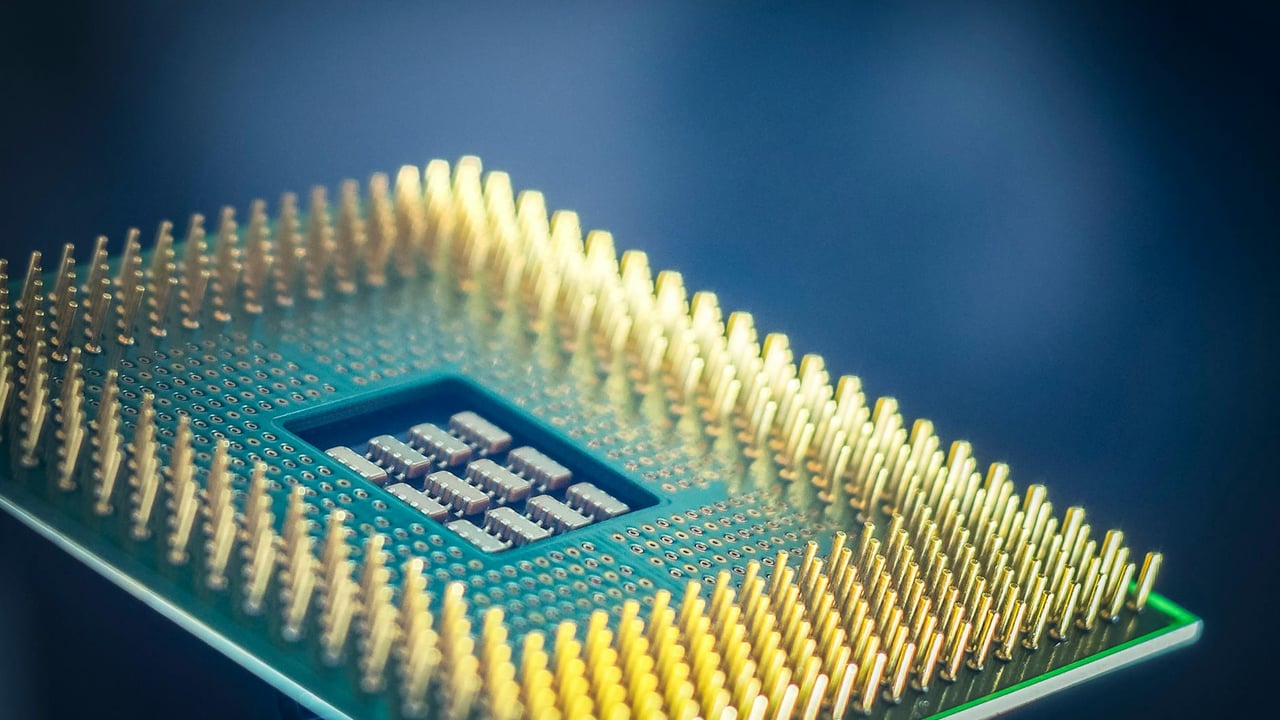

Shanghai-based Zhongzixing Technology is signaling a bold move in the global semiconductor race, announcing that its proprietary Neural Execution Unit (NEU) chip is slated for tape-out in the fourth quarter of this year. This milestone marks a critical step for the startup as it attempts to transition from theoretical architecture to tangible silicon in an increasingly crowded AI hardware market.
The company claims that its NEU architecture, designed from the ground up for "intelligent native" processing, offers a staggering leap in efficiency compared to existing standards. Preliminary testing data suggests the chip can outperform traditional top-tier GPU solutions by nearly 100 times in specific AI inference tasks while consuming only one-tenth of the power, addressing the twin challenges of latency and energy overhead in the AI era.
The pedigree of Zhongzixing’s technical team is a significant factor in its industry standing. Comprising veterans from industry giants such as Intel, Nvidia, and Huawei’s HiSilicon, alongside researchers from elite Canadian AI laboratories, the group represents the high level of cross-pollinated talent currently fueling China’s domestic chip design surge.
This development arrives as the global AI industry pivots from training massive models to the more energy-conscious phase of wide-scale inference deployment. For Chinese firms, producing highly specialized AI-native chips is increasingly viewed as a strategic necessity to bypass reliance on restricted general-purpose accelerators and to meet the surging domestic demand for localized AI infrastructure.