

Beijing is shifting the goalposts of the global artificial intelligence race by prioritizing energy efficiency and industrial application over brute-force scaling. A recent high-level directive from the CPC Central Committee and the State Council signals a fundamental pivot toward 'Green AI.' The mandate requires a systematic upgrade of data centers and communication hubs to maximize computing power per unit of energy, effectively decoupling China's technological expansion from its aggressive carbon-neutrality targets.
This shift is paired with the 'AI+' action plan, a state-led effort to embed large language models and autonomous agents into the nation’s industrial fabric. Rather than focusing solely on consumer-facing chatbots, the government is incentivizing the procurement of 'agents' and sophisticated industrial software. This strategic alignment aims to transform AI from a speculative tech trend into a foundational utility for manufacturing, aerospace, and public services.
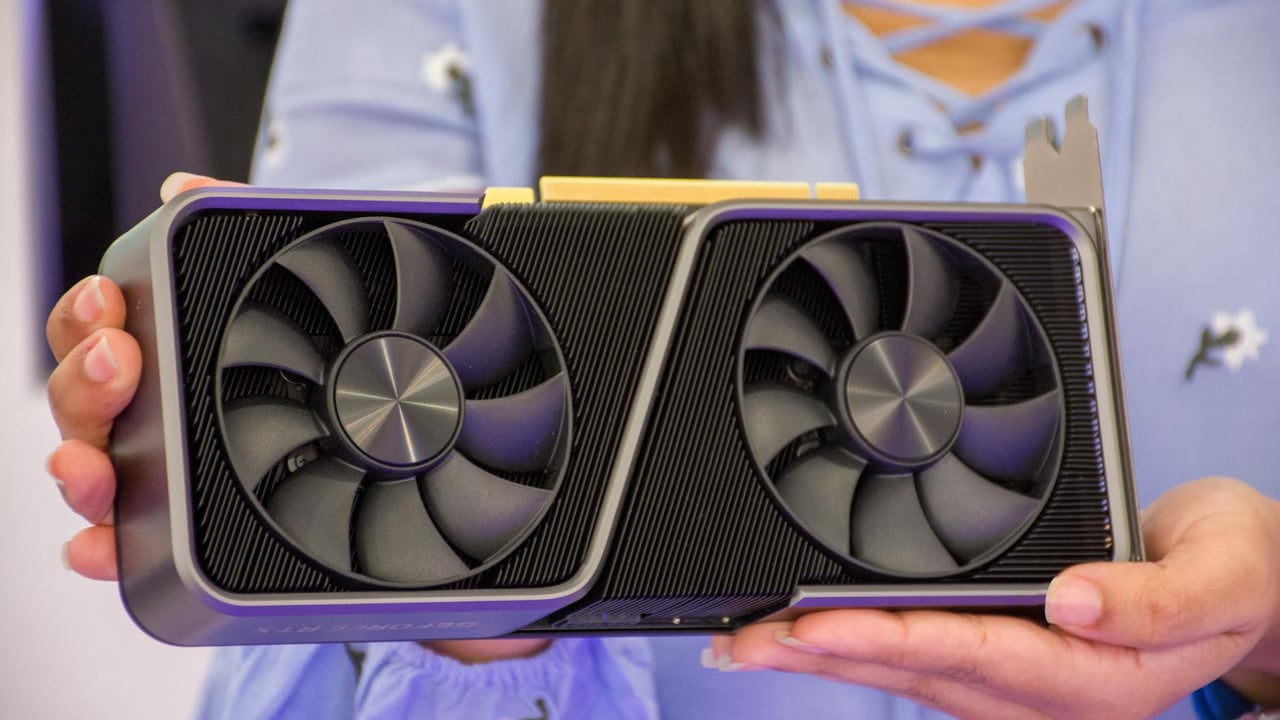
The private sector is moving in lockstep with these state mandates, as evidenced by a massive capital influx into domestic hardware. Sunrise (Xi Wang), a full-stack AI inference GPU developer, recently closed a funding round exceeding 1 billion RMB, bringing its total valuation past the unicorn threshold. The market's enthusiasm for inference-focused hardware highlights a transition from the resource-intensive training phase to the widespread deployment of AI models across various sectors.
Regionally, China’s industrial powerhouses are localizing the supply chain to mitigate external pressures. Shanghai is expanding its domestic 'Intelligent Computing' clusters, while Guangdong is doubling down on high-performance chips and optical semiconductors. By fostering these regional ecosystems, China is building a multi-layered defense against international trade restrictions, ensuring that the hardware necessary for its 'AI+' vision is both locally sourced and energy-efficient.