
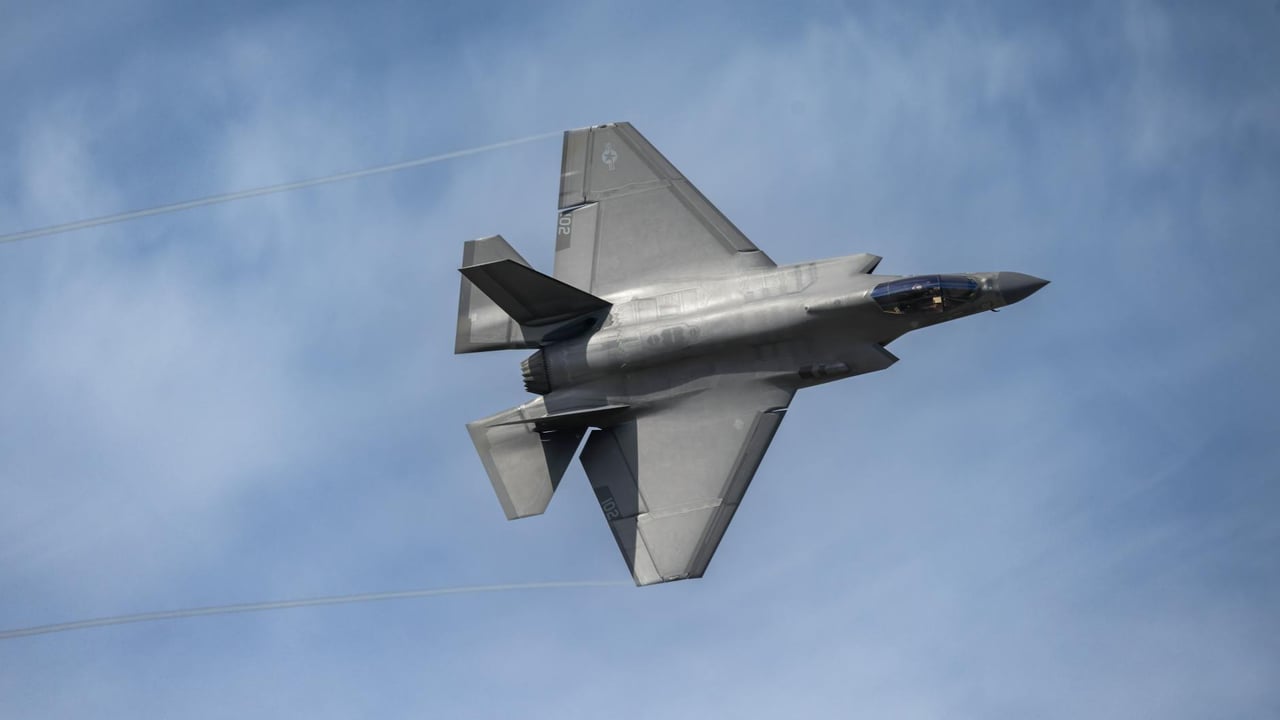

The United States Department of Defense is signaling a massive shift in its procurement strategy, centering its future air superiority on a significantly expanded fleet of F-35 Lightning II stealth fighters. Recent reports indicate that both the US Air Force and Navy plan to steadily ramp up acquisitions through 2031. This expansion marks a departure from previous years of budget debates and technical delays, positioning the fifth-generation platform as the undisputed backbone of American power projection.
Under the proposed plan, procurement will climb from 38 units next year to a peak of 48 units annually by the turn of the decade. This logistical surge is intrinsically tied to a record-shattering $1.5 trillion defense budget proposal for fiscal year 2027. If ratified by Congress, this 42% year-over-year increase would represent the most significant expansion of American military spending since the conclusion of the Second World War.
The scale of this financial commitment suggests a pivot toward long-term high-intensity conflict readiness, particularly in the Indo-Pacific theater. By solidifying the F-35's production pipeline, the Pentagon aims to achieve economies of scale while ensuring regional allies can be integrated into a unified stealth-capable network. This move is likely a direct response to the rapid modernization of rival air forces and the increasing complexity of contested airspaces.
While the budget proposal faces a rigorous legislative path in Congress, the underlying message is clear: the United States is prioritizing a qualitative technological edge over fiscal restraint. The dramatic increase in funding covers not only the airframes themselves but the advanced sustainment and digital infrastructure required to operate them. This trajectory sets the stage for a period of intensified military-industrial competition globally.