
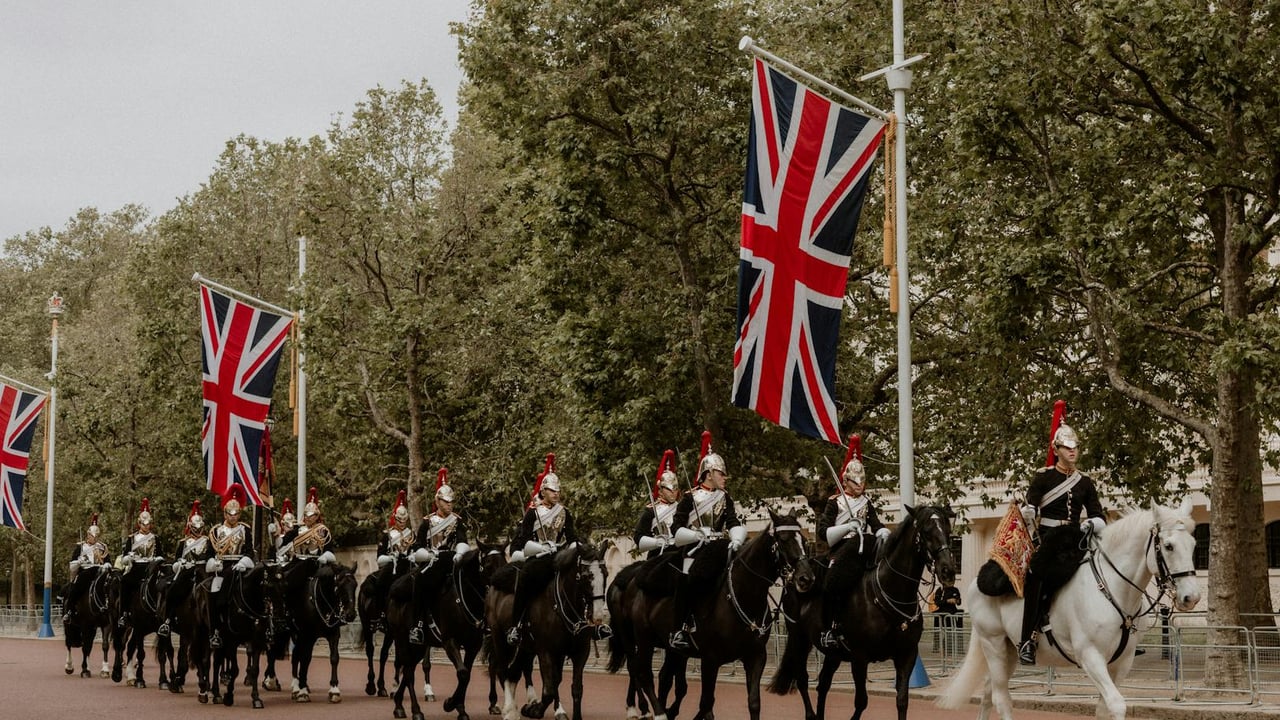

King Charles III’s upcoming state visit to the United States arrives at a pivotal moment for the "Special Relationship," as the British monarchy attempts to deploy its traditional soft power against a backdrop of escalating trade tensions. While President Donald Trump has lauded the King as a "brave and great man," his administration simultaneously looms over London with threats of "massive tariffs" should the UK persist in taxing American tech behemoths. This duality defines the current state of transatlantic affairs: a deep personal respect for tradition paired with a fiercely transactional approach to economic policy.
The four-day itinerary, which includes a high-profile meeting at the White House and a formal address to Congress, is ostensibly designed to celebrate the 250th anniversary of American independence. However, the pageantry of the visit cannot fully mask the friction between the Trump administration and Prime Minister Keir Starmer’s government. Trump’s recent remarks suggest a selective diplomacy, offering personal warmth to the Sovereign while maintaining a combative stance toward the UK’s executive leadership, particularly on issues of trade and migration.
At the heart of the discord is the UK’s digital services tax, which targets the revenues of Silicon Valley giants like Meta, Google’s parent Alphabet, and Apple. President Trump’s warning of retaliatory tariffs serves as a stark reminder that personal rapport with the King does not translate into policy concessions for the British government. This divergence places the Monarchy in its familiar, yet increasingly difficult, role of representing national continuity while the elected government navigates an increasingly volatile geopolitical landscape with its most important ally.
Domestic critics in Britain have questioned the timing of the visit, with some parliamentarians suggesting the trip should have been canceled to avoid exposing the King to the President’s unpredictable rhetoric. There is a palpable concern in London that the President might use the visit as a platform to further criticize the Starmer administration, effectively dragging the constitutionally neutral Monarch into a partisan fray. Despite these fears, the King is expected to focus on the "common prosperity and security" that has defined the bilateral bond for over two centuries.
Veteran diplomats, including former Ambassador Nigel Sheinwald, argue that the visit’s purpose transcends current political cycles. From this perspective, the Sovereign's role is to reinforce the foundational ties between the two peoples that exist beneath the surface of immediate policy disputes. By focusing on the shared history and long-term partnership, the Crown aims to preserve the structural integrity of the alliance, even as the political leaders in Washington and London find themselves at a sharp and public impasse.