History’s Long Shadow: The Geopolitics of Repatriation in the Korean Peninsula

China and South Korea have completed the 13th repatriation of Chinese People’s Volunteers' remains, returning 12 soldiers and 146 artifacts to Beijing. The high-profile ceremony at Incheon International Airport underscores the use of historical memory as a diplomatic tool amidst complex regional tensions.

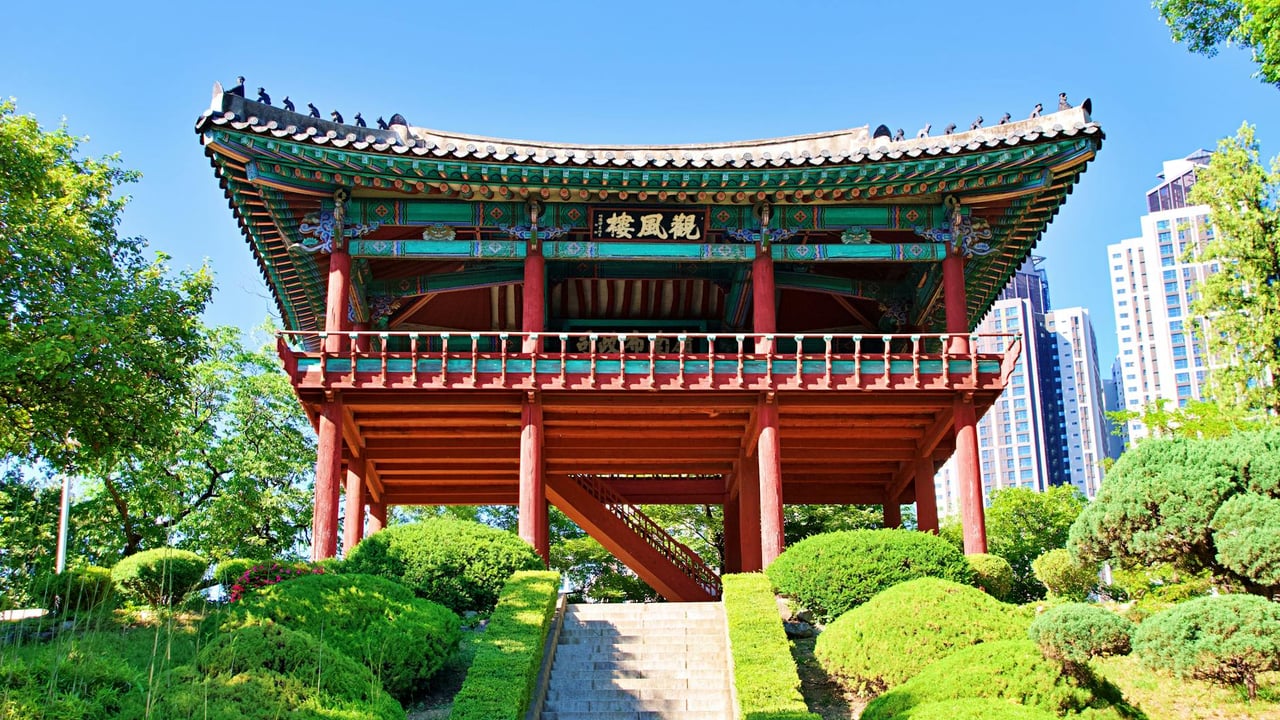
Beautiful Korean pavilion in Daegu with modern city backdrop, captured on a sunny day.

Key Takeaways

  • 1The 13th batch of remains includes 12 soldiers and 146 artifacts recovered from the Korean War.
  • 2Bilateral cooperation was highlighted by the presence of high-ranking defense and veteran affairs officials from both nations.
  • 3China utilized its advanced Y-20B transport aircraft for the repatriation, signaling modern military prestige.
  • 4The event serves a dual purpose: reinforcing domestic nationalism in China and maintaining a humanitarian channel with South Korea.
  • 5Over 900 remains have been returned since the initial 2014 agreement.

Editor's
Desk

Strategic Analysis

The repatriation of CPV remains is a masterful exercise in 'history diplomacy' that serves divergent but complementary interests for Seoul and Beijing. For South Korea, it is a low-cost gesture of goodwill aimed at maintaining a working relationship with its largest trading partner, even as it moves closer to the U.S.-Japan security orbit. For China, the ritual is an essential component of the 'New Era' narrative, framing the Korean War as a foundational victory that proves China's ability to stand up to Western powers. The use of the Y-20B transport plane specifically underscores this message: the China that these soldiers left in the 1950s—impoverished and agrarian—has been replaced by a technological superpower capable of bringing them home with the highest honors. While these ceremonies are humanitarian in name, they are fundamentally about the continuity of the Chinese state and its evolving role as a regional hegemon.

China Daily Brief Editorial
Strategic Insight
China Daily Brief

On a crisp morning at Incheon International Airport, a solemn ritual unfolded that has become a poignant annual fixture in East Asian diplomacy. The 13th handover ceremony of the remains of Chinese People’s Volunteers (CPV) saw 12 sets of remains and 146 associated artifacts returned to Chinese soil. This event, overseen by high-ranking officials from both Seoul and Beijing, transcends mere funeral rites, serving as a rare bridge of cooperation in an increasingly fractured regional security environment.

The ceremony was marked by rigorous protocol and high-level representation, featuring Xu Yao, China’s Deputy Minister of Veterans Affairs, and Lee Doo-hee, South Korea’s Vice Defense Minister. In a display of state-sanctioned reverence, Chinese Ambassador Dai Bing draped the caskets in the national flag before they were loaded onto a Y-20B—China’s premier indigenous strategic transport aircraft. This choice of transport is no accident; it is a calculated projection of modern military capability intended to honor the sacrifices of the past while showcasing the strength of the present.

Since the repatriation agreement was formalized in 2014, these handovers have allowed both nations to manage the legacy of the 1950-1953 Korean War through a humanitarian lens. For Beijing, the return of the 'martyrs' is a central pillar of domestic nationalist education, reinforcing the narrative of the 'War to Resist U.S. Aggression and Aid Korea.' By elevating these soldiers to the status of national icons, the Communist Party strengthens the emotional bond between the citizenry and the military establishment.

However, the backdrop of these ceremonies is often one of strategic tension. Even as South Korean and Chinese officials shake hands over the caskets of fallen soldiers, the two nations remain at odds over North Korea’s nuclear program and the shifting alliances of the Indo-Pacific. These repatriations act as a diplomatic safety valve, ensuring that historical grievances do not entirely derail the functional necessity of bilateral engagement between the two economic heavyweights.

Share Article

Related Articles

📰
No related articles found