

The intersection of high-stakes diplomacy and a relentless artificial intelligence boom propelled the S&P 500 and Nasdaq to unprecedented heights this week. Investors found reason for optimism as the White House signaled a significant diplomatic push to de-escalate Middle Eastern tensions, while the semiconductor sector continued its historic run. The momentum suggests a market that is increasingly decoupling from immediate geopolitical risk in favor of long-term structural growth in the digital economy.
Central to the geopolitical narrative is the announcement that President Trump will dispatch a high-level delegation, including Jared Kushner and Steven Witkoff, to Pakistan for talks with Iranian Foreign Minister Abbas Araghchi. While Pakistani officials have played down the prospect of a direct face-to-face encounter, the mere presence of these actors in Islamabad has fueled hopes for a resolution to the regional conflict. This diplomatic thaw has provided a much-needed reprieve for global energy markets and investor sentiment alike.
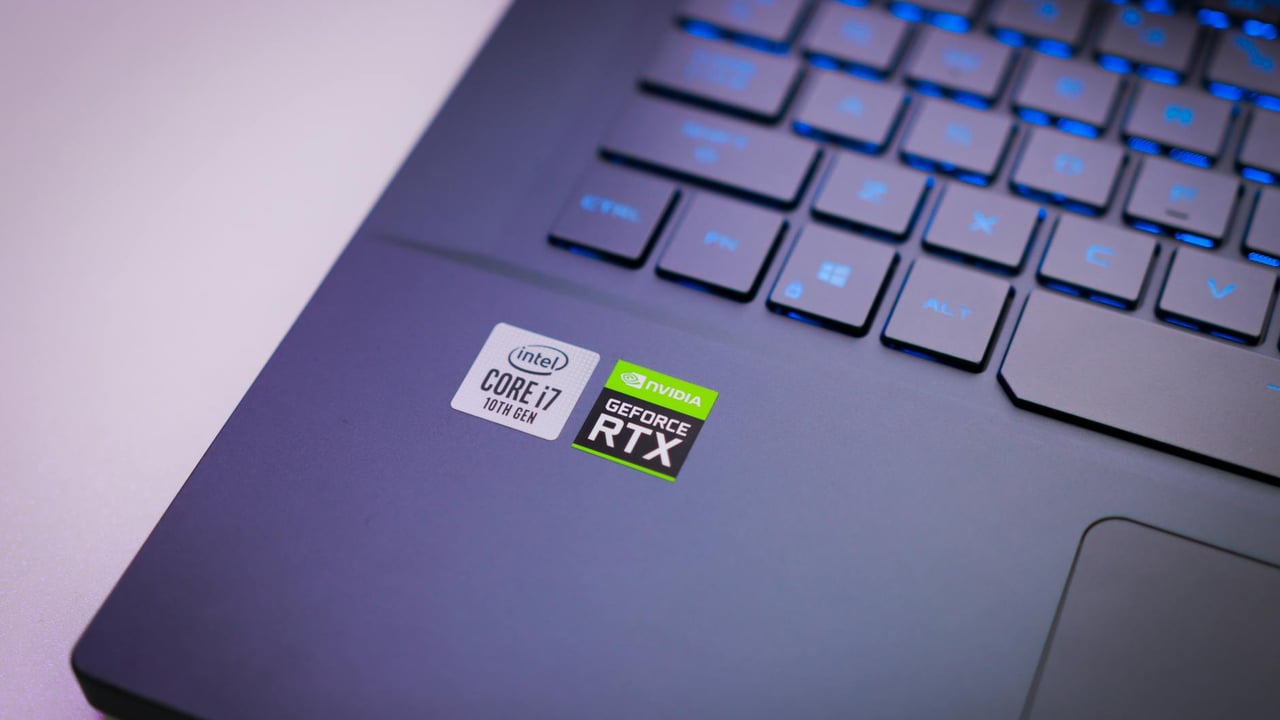
In the technology sector, Nvidia reached a historic milestone by crossing the $5 trillion market capitalization threshold, underscoring its role as the primary architect of the AI era. However, the week's surprise protagonist was Intel, which surged over 23% following a robust second-quarter revenue forecast. This rally in legacy hardware providers suggests that the AI-driven infrastructure build-out is now lifting a broader spectrum of the semiconductor industry, including traditional CPU manufacturers and nuclear energy providers like X-energy.
Institutional capital continues to consolidate around dominant AI players, evidenced by Google’s massive $40 billion potential investment in Anthropic. This move highlights a widening gap in the tech ecosystem; while giants like Anthropic secure multi-billion dollar compute commitments, smaller startups are reportedly being marginalized. Many emerging firms now face significant hurdles in securing GPU capacity from cloud providers, who are increasingly prioritizing their largest and most strategic partners.
On the regulatory front, the U.S. Department of Justice’s decision to conclude its investigation into Federal Reserve Chair Jerome Powell has cleared a major political hurdle. By removing this cloud of uncertainty, the path has been eased for Kevin Warsh to potentially succeed Powell, a move the market has interpreted as a stabilizing factor for future monetary policy. Interest rate traders have responded by increasing the probability of a December rate cut, further fueling the equity rally.
Despite the broader market euphoria, the pharmaceutical sector provided a note of caution as Eli Lilly’s oral weight-loss drug, Foundayo, recorded a lackluster debut. Early prescription data shows it trailing significantly behind Novo Nordisk’s oral Wegovy, reminding investors that even in high-growth sectors, execution and early-mover advantages remain critical. This divergence highlights a market that is becoming more discerning, rewarding clear technological leadership while punishing those that fall behind in competitive races.