High-Octane Silicon: Pony.ai and NVIDIA Solidify Partnership to Scale L4 Autonomy

Pony.ai has launched a new L4 autonomous driving domain controller powered by NVIDIA's DRIVE AGX Thor and NVLink technology. The partnership aims to provide the compute power necessary for the mass-market scaling of driverless robotaxis and commercial fleets.

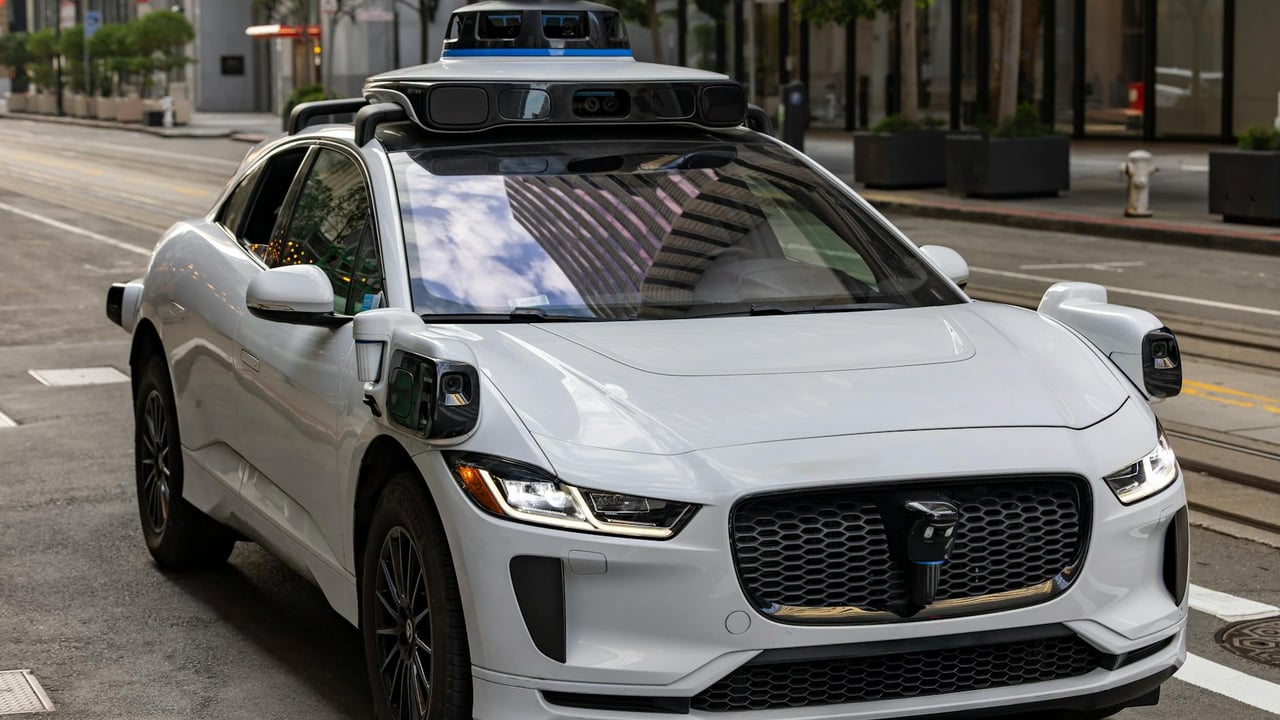
A white autonomous vehicle navigating a city street, reflecting urban architecture in daylight.

Key Takeaways

  • 1Pony.ai released its next-generation L4 domain controller built on the NVIDIA DRIVE Hyperion platform.
  • 2The hardware utilizes the NVIDIA DRIVE AGX Thor chip, which incorporates NVLink for high-speed data interconnectivity.
  • 3The system is designed to support the transition from small-scale pilots to mass-scale fully driverless operations.
  • 4The move underscores the critical role of high-performance silicon in overcoming the 'last mile' of autonomous driving safety and reliability.
  • 5The development is a key component in Pony.ai's strategy to significantly reduce the cost of robotaxi production by 2027.

Editor's
Desk

Strategic Analysis

This announcement underscores a resilient technological bridge between US-designed silicon and Chinese autonomous software, even amidst broader geopolitical trade frictions. By tethering its future to NVIDIA’s Thor architecture, Pony.ai is betting that raw compute power and high-speed data throughput are the ultimate deciders in the L4 race. While competitors like Huawei and DeepSeek are pushing for localized or more efficient software-centric solutions, Pony.ai’s reliance on NVIDIA’s most advanced platform suggests a 'hardware-first' approach to safety. The real significance lies in the move toward 'domain controllers' as a standardized product; this transition turns autonomous driving from an experimental science project into a scalable industrial commodity, paving the way for a viable robotaxi business model that could finally achieve profitability through lower hardware costs and higher operational uptime.

China Daily Brief Editorial
Strategic Insight
China Daily Brief

The race toward fully autonomous urban mobility has entered a new phase of hardware maturity. Pony.ai, a frontrunner in the global autonomous driving sector, has unveiled its latest generation of autonomous driving domain controllers. Developed in close collaboration with NVIDIA, this hardware suite is built upon the NVIDIA DRIVE Hyperion platform and is powered by the highly anticipated NVIDIA DRIVE AGX Thor system-on-a-chip (SoC).

By integrating NVIDIA’s proprietary NVLink technology, the new controller offers unprecedented data transfer speeds between processing units, a critical requirement for handling the massive sensory inputs of Level 4 (L4) autonomy. This launch is not merely a technical upgrade; it represents a strategic pivot toward the commercial industrialization of robotaxis. The system is specifically designed to support the mass-scale deployment of fully driverless fleets across diverse and complex urban environments.

The collaboration highlights a significant trend in the Chinese automotive landscape: the deepening integration between domestic AI software expertise and high-end international silicon. As companies like Pony.ai move beyond experimental pilots, the demand for 'automotive-grade' reliability and high-compute density has become the primary bottleneck. The adoption of the Thor architecture suggests that the next generation of robotaxis will possess the localized 'intelligence' necessary to navigate edge cases without constant cloud reliance.

Furthermore, this development aligns with Pony.ai’s broader ambition to drive down the cost of autonomous systems. Recent projections from the company suggest that by 2027, the cost of a robotaxi unit could drop below 230,000 RMB ($32,000). Achieving such price parity with traditional vehicles requires exactly the kind of hardware standardization and manufacturing scale that the new NVIDIA-based controller aims to provide.

Share Article

Related Articles

📰
No related articles found