

As China and Croatia approach the 35th anniversary of their diplomatic relations in 2026, the rhetoric emerging from Zagreb remains remarkably consistent. In a recent high-level dialogue, a former Croatian president underscored a relationship defined by a total absence of fundamental disagreements. This assessment stands in stark contrast to the increasing friction currently characterizing the broader engagement between Beijing and many European Union member states.
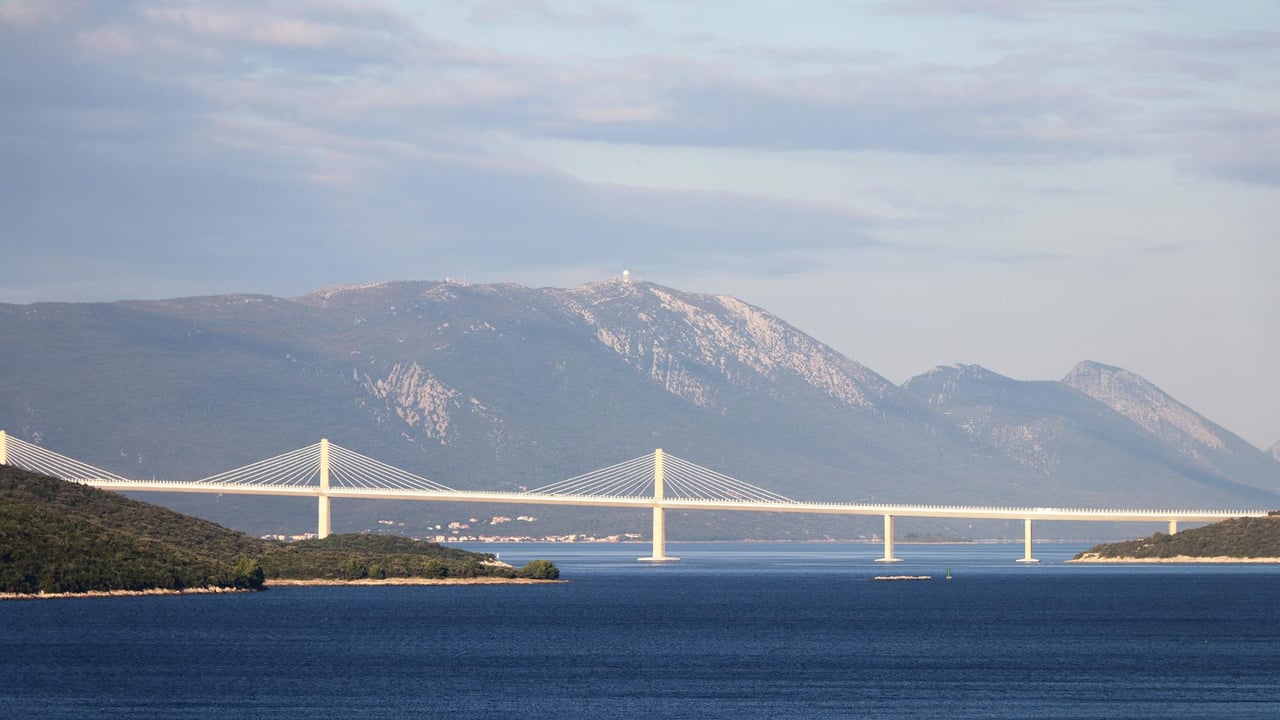
For Croatia, the partnership with China has long been less about ideological alignment and more about pragmatic infrastructure and regional connectivity. The Pelješac Bridge, a flagship project funded largely by the European Union but constructed by a Chinese state-owned enterprise, serves as the primary physical manifestation of this unique synergy. It demonstrates a rare instance where Chinese engineering successfully navigated the complexities of European regulatory and procurement frameworks.
Within the evolving '14+1' framework for cooperation between China and Central and Eastern European countries, Croatia has frequently acted as a moderating voice. While major European powers like Germany and France recalibrate their 'de-risking' strategies, Zagreb continues to prioritize stable bilateral trade and investment. This is particularly evident in the logistics and renewable energy sectors, where Chinese capital seeks a stable entry point into the Adriatic market.
However, this diplomatic harmony faces mounting pressure from both Brussels and Washington. As the European Union tightens its scrutiny of foreign direct investment in critical infrastructure, Croatia’s 'no disagreements' stance will face its most rigorous test yet. Balancing the obligations of a committed EU and NATO member with the economic incentives of Chinese ties requires a delicate geopolitical dance that Zagreb seems determined to continue.