

The rhythmic roar of engines at Los Angeles International Airport belies a growing vulnerability in the American West. As of late April 2026, California’s aviation fuel reserves have plummeted to their lowest levels in over two and a half years. This depletion serves as a stark reminder of how geographically distant conflicts can rapidly compromise the energy security of the world’s fifth-largest economy.
While California stands as a global titan of industry and technology, its energy infrastructure remains precariously sensitive to international shocks. The current crisis is being driven by escalating hostilities in the Middle East, which have snarled global crude supplies and disrupted the intricate maritime logistics that sustain West Coast refineries. Unlike the U.S. Gulf Coast, which benefits from dense domestic pipeline networks, California remains an 'energy island' heavily dependent on waterborne imports.
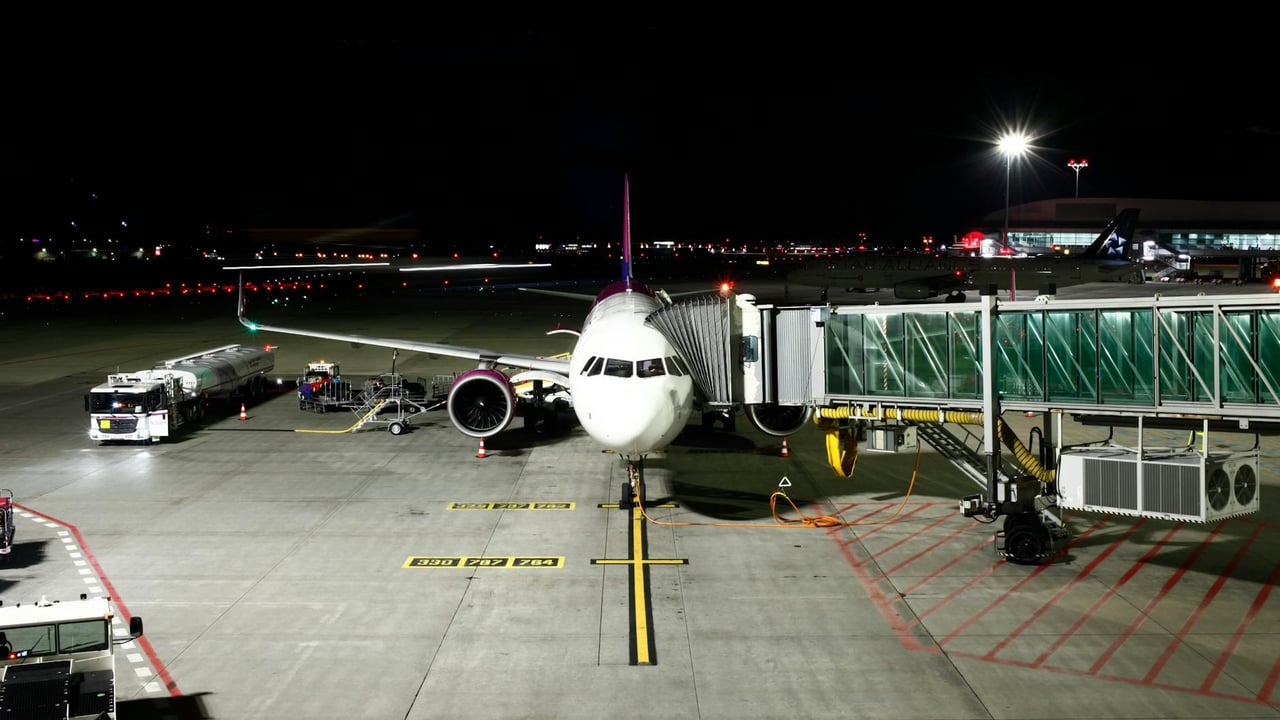
The logistical strain is visible at major hubs like LAX, where fuel tankers are operating on a razor-thin margin to keep pace with the demands of trans-Pacific and domestic transit. Industry analysts suggest that the state's strategic reserves have been eroded by a combination of high seasonal travel demand and the logistical bottleneck created by the diversion of oil tankers away from high-risk zones. This 'just-in-time' delivery model, once the gold standard for efficiency, is now revealing its structural fragility.
As fuel inventories hit this multi-year nadir, the economic ripple effects are likely to be felt across the aviation sector. Airlines may soon face a choice between absorbing higher operational costs or passing them on to consumers, potentially cooling the post-pandemic travel boom. Furthermore, the shortfall highlights a critical gap in California’s transition strategy, where the focus on green energy must still contend with the immediate, fossil-fuel-dependent realities of international commerce.